

Dive Tips
Your one-stop splash zone for dive tips, epic travel inspo, wild stories & gear breakdowns from the community that lives underwater more than on land.
Articles
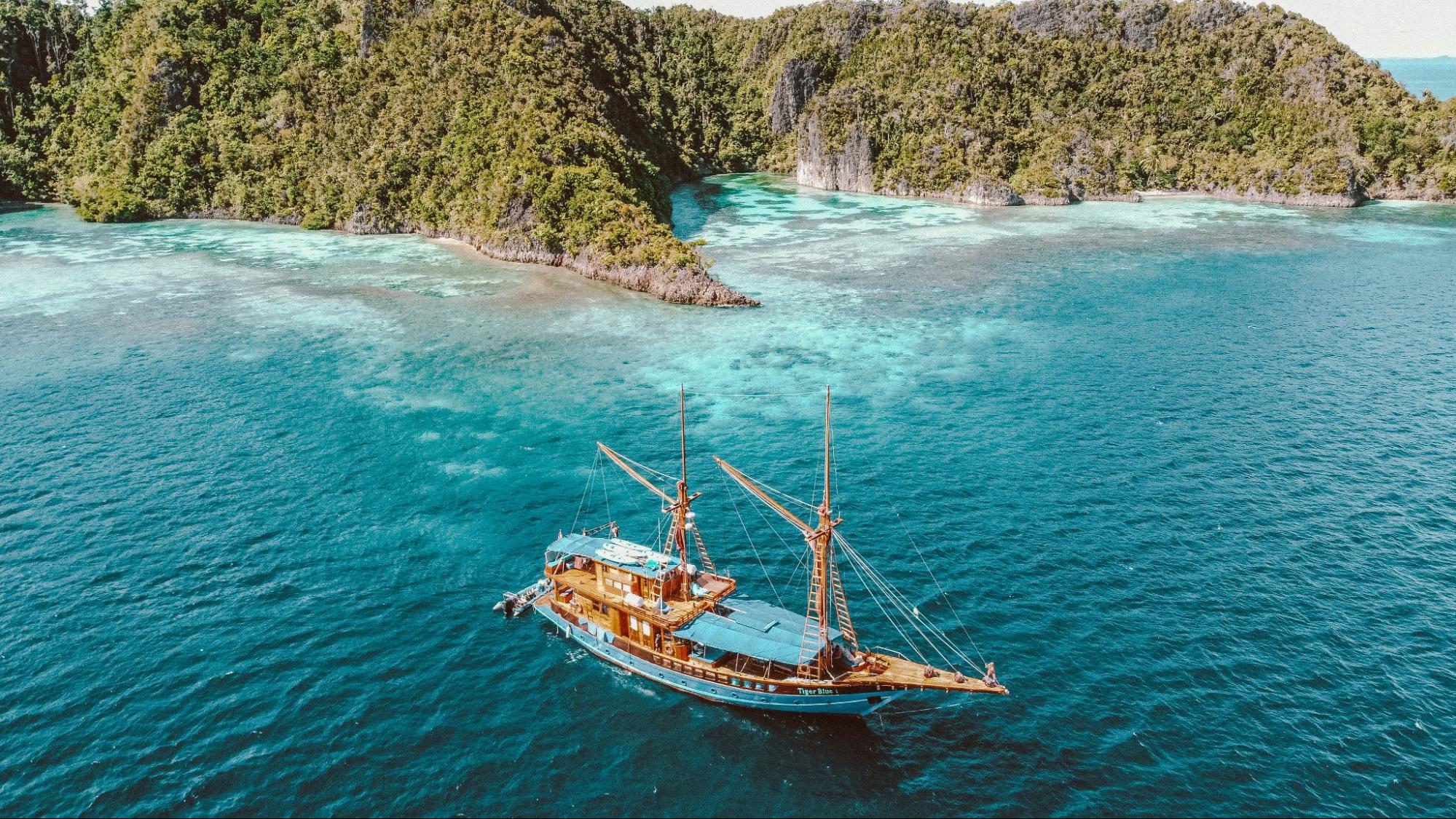

Best Liveaboard Diving Trips in the World (2026 Guide)
If you’re planning an unforgettable scuba adventure in 2026, liveaboard diving trips remain one of the most exciting ways to explore the ocean. With evolving eco-tourism standards, upgraded luxury vessels, and better access to remote dive sites, 2026 is shaping up to be a fantastic year for liveaboard diving. In this updated guide, we’ll cover the best liveaboard diving destinations for 2026, including new trends, improved routes, and what divers can expect this year. Why Choose a Liveaboard in 2026? Liveaboard diving continues to grow in popularity, and in 2026, several trends are enhancing the experience: Eco-friendly liveaboards with reduced environmental impact Smaller group sizes for more personalized dives Advanced safety systems and navigation tech More premium and budget options worldwide Top Liveaboard Diving Destinations for 2026 1. Great Barrier Reef, Australia Still one of the top choices in 2026, the Great Barrier Reef offers newly protected zones and conservation-focused tours. 2026 Highlights: Expanded marine protection areas Improved reef health in select regions Beginner-friendly itineraries Best Time: June–October 2. Red Sea, Egypt The Red Sea continues to dominate as a top-value destination for liveaboards in 2026. 2026 Highlights: New luxury and mid-range boats Popular wreck routes upgraded Excellent visibility year-round Best Time: March–May, September–November 3. Raja Ampat, Indonesia Widely regarded as the most biodiverse marine ecosystem, Raja Ampat remains a must-visit in 2026. 2026 Highlights: Stricter eco-tourism policies Fewer boats = less crowded dive sites Exceptional coral health Best Time: October–April 4. Maldives Perfect for big marine encounters and luxury experiences. 2026 Highlights: Increased whale shark sightings reported Premium liveaboard experiences expanding Ideal for drift diving enthusiasts Best Time: November–April 5. Galápagos Islands, Ecuador One of the most thrilling liveaboard destinations for advanced divers. 2026 Highlights: Strict conservation = pristine conditions High probability of large pelagic sightings Limited permits increase exclusivity Best Time: June–November 6. Komodo National Park, Indonesia A perfect mix of adrenaline and biodiversity. 2026 Highlights: Improved park management Better scheduling to avoid overcrowding Excellent mix of macro and pelagic life Best Time: April–November 7. Socorro Islands, Mexico Known as the “Galápagos of Mexico,” Socorro is all about big animals. 2026 Highlights: Consistent giant manta encounters Growing popularity among advanced divers Remote, untouched dive sites Best Time: November–May How to Choose the Right Liveaboard in 2026 When booking your trip, consider: ✔ Experience Level Beginner → Great Barrier Reef, Maldives Advanced → Galápagos, Socorro ✔ Budget (2026 Estimates) Budget: $900–$1,500 Mid-range: $1,500–$3,000 Luxury: $3,000–$7,000+ ✔ Trip Duration Short trips: 3–5 days Extended expeditions: 7–14 days ✔ Marine Life Preferences Sharks & big pelagics → Socorro, Galápagos Coral & biodiversity → Raja Ampat Tips for Liveaboard Diving in 2026 Book early - top trips fill months in advance Choose eco-certified operators where possible Carry reef-safe sunscreen and reusable gear Get dive insurance for remote destinations Bring backup essentials (mask, computer, SMB) Conclusion Liveaboard diving in 2026 offers more options, better sustainability, and access to some of the most pristine dive sites on Earth. Whether you're seeking luxury in the Maldives or adrenaline in the Galápagos, there’s a liveaboard trip tailored for every diver. FAQs (2026 Updated) Are liveaboard diving trips worth it in 2026?Absolutely. With improved boats, better safety, and access to remote dive sites, liveaboards provide unmatched value for serious divers. How far in advance should I book for 2026?Ideally 6–12 months in advance, especially for popular destinations like Raja Ampat or the Galápagos. Are there eco-friendly liveaboards in 2026?Yes, many operators now use solar power, waste reduction systems, and eco-conscious practices. Do I need travel insurance for liveaboards?Yes, especially for remote destinations. Dive-specific insurance is highly recommended. What certification is required in 2026?Most trips require Open Water certification, but advanced destinations need Advanced Open Water + experience. Has pricing changed in 2026?Prices have slightly increased due to fuel and demand, but more options are available across all budgets. What’s the safest destination for beginners in 2026?The Great Barrier Reef and Maldives remain the safest and most beginner-friendly options. DiveBookings.com is a trusted platform for scuba diving trips, courses, and global dive experiences. Our editrial team works closely with certified dive professionals and verified operators to deliver content that meets high standards of safety, accuracy, and expertise.
Learn more
Raja Ampat Diving Guide: Best Dive Sites, Season, Marine Life & Travel Tips
Raja Ampat, located in Indonesia’s West Papua province, is widely considered the most biodiverse marine ecosystem on Earth. Often referred to as the “Amazon of the Seas,” this remote archipelago offers some of the most pristine and untouched diving conditions in the world. With over 1,500 species of fish and more than 600 species of coral, Raja Ampat is a dream destination for divers seeking extraordinary underwater experiences. From vibrant coral reefs to encounters with manta rays and sharks, diving in Raja Ampat is unlike anywhere else. This comprehensive Raja Ampat diving guide covers the best dive sites, marine life, seasons, diving conditions, and travel tips to help you plan your trip. Why Raja Ampat is a World-Class Diving Destination Raja Ampat stands out globally due to its unmatched biodiversity and pristine marine environment. Its remote location has helped preserve its ecosystems, making it one of the healthiest reef systems in the world. The region lies within the Coral Triangle, which is known as the global center of marine biodiversity. This results in an extraordinary variety of marine life that is difficult to find anywhere else. Another key feature of Raja Ampat is the diversity of dive sites. Divers can explore coral reefs, steep walls, underwater pinnacles, and drift diving channels. Each dive offers something unique, ensuring that no two dives are the same. Types of Diving in Raja Ampat Raja Ampat offers a variety of diving experiences, many of which are best suited for intermediate and advanced divers. Reef Diving Reef diving is the most common type of diving in Raja Ampat. The coral reefs are incredibly healthy and full of life, offering colorful underwater scenery and a wide variety of fish species. Drift Diving Drift diving is popular due to strong ocean currents. These currents bring nutrients that attract large marine life, making drift dives exciting and rewarding. Wall Diving Wall diving involves descending along steep coral walls that drop into deeper waters. These walls are covered with corals and attract a wide range of marine species. Muck and Macro Diving Some areas in Raja Ampat are ideal for macro diving, where divers can spot rare and unusual creatures such as pygmy seahorses and nudibranchs. Best Dive Sites in Raja Ampat Raja Ampat is home to hundreds of dive sites, but some stand out for their biodiversity and unique experiences. Cape Kri Cape Kri is one of the most famous dive sites in the world. It holds the record for the highest number of fish species recorded in a single dive. Divers can see massive schools of fish, reef sharks, and vibrant coral reefs. Blue Magic Blue Magic is known for its pelagic encounters. Divers can expect to see tuna, giant trevallies, reef sharks, and sometimes oceanic manta rays. The site features strong currents, making it suitable for experienced divers. Manta Sandy Manta Sandy is a cleaning station where manta rays gather. It is one of the best places in Raja Ampat to observe these gentle giants up close. Sardine Reef Sardine Reef is famous for its dense schools of fish and colorful coral formations. The site offers excellent visibility and a vibrant underwater environment. Misool Island Misool is one of the most pristine areas in Raja Ampat. It offers stunning coral reefs, underwater caves, and a wide range of marine species. It is often considered one of the highlights of diving in Raja Ampat. Arborek Jetty Arborek Jetty is a unique dive site where divers can explore coral formations beneath a wooden jetty. It is also a great place for macro photography. Marine Life in Raja Ampat Raja Ampat is home to the highest marine biodiversity on the planet. Divers can expect to see an incredible variety of species, including both large and small marine life. Some of the most notable species include: Manta rays Reef sharks (blacktip, whitetip, and grey reef sharks) Wobbegong sharks Pygmy seahorses Sea turtles Barracudas Giant trevallies Napoleon wrasse Nudibranchs and other macro species The coral reefs are equally impressive, with both hard and soft corals creating vibrant underwater landscapes. Best Time to Dive in Raja Ampat Raja Ampat offers year-round diving, but certain months provide better conditions. October to April This is considered the best time to dive in Raja Ampat. The seas are calmer, and visibility is at its highest, making it ideal for most divers. May to September During this period, conditions can be slightly rougher due to stronger winds. However, diving is still possible, and marine life remains abundant. Diving Conditions and Difficulty Level Raja Ampat is generally more suitable for intermediate and advanced divers due to its strong currents and remote dive sites. Visibility: 20 to 30 meters Water temperature: 27°C to 30°C Currents: Moderate to strong While some sites are beginner-friendly, many require good buoyancy control and diving experience. Liveaboard vs Resort Diving There are two main ways to explore Raja Ampat. Liveaboard Diving Liveaboards allow divers to travel between multiple dive sites and access remote locations. This option provides a more immersive experience and is ideal for serious divers. Resort Diving Resort-based diving is more relaxed and suitable for those who prefer staying in one location. Resorts offer guided dives to nearby sites and comfortable accommodations. Travel Tips for Raja Ampat Planning a trip to Raja Ampat requires careful preparation due to its remote location. Fly to Sorong, the main gateway to Raja Ampat Book your dive trip in advance, especially during peak season Choose experienced dive operators with strong safety records Carry reef-safe sunscreen to protect marine ecosystems Allow sufficient time between diving and flying Booking through DiveBookings.com helps simplify the process and ensures access to trusted dive operators. Why Book Through DiveBookings.com DiveBookings.com provides a convenient way to plan your Raja Ampat diving trip. You can compare dive centers, explore packages, and choose options based on your experience level. Using a reliable platform ensures safety, transparency, and a hassle-free booking experience. Conclusion Raja Ampat is one of the most extraordinary diving destinations in the world. Its unmatched biodiversity, pristine reefs, and diverse dive sites make it a must-visit location for divers. While it may be more suitable for experienced divers, the rewards are truly exceptional. From manta rays to vibrant coral reefs, every dive in Raja Ampat offers a unique and unforgettable experience. FAQs Is Raja Ampat suitable for beginners?Some dive sites are beginner-friendly, but many require experience due to strong currents. Why is Raja Ampat famous for diving?It has the highest marine biodiversity in the world. What is the best time to dive in Raja Ampat?October to April offers the best conditions. What marine life can I see in Raja Ampat?You can see manta rays, sharks, pygmy seahorses, turtles, and thousands of fish species. How do I reach Raja Ampat?You need to fly to Sorong and then take a boat transfer to the islands. DiveBookings.com is a trusted platform for scuba diving trips, courses, and global dive experiences. Our editorial team works closely with certified dive professionals and verified operators to deliver content that meets high standards of safety, accuracy, and expertise.
Learn more
Bali Scuba Diving Guide: Best Dive Sites, Season & Travel Tips
Bali is one of the most popular scuba diving destinations in the world, attracting divers with its rich marine biodiversity, accessible dive sites, and diverse underwater landscapes. Located in Indonesia, Bali offers everything from coral reefs and shipwrecks to drift dives and encounters with large marine species. Whether you are a beginner looking for your first diving experience or an experienced diver seeking advanced underwater adventures, Bali has something for everyone. This complete Bali scuba diving guide covers the best dive sites, the ideal time to visit, marine life, and essential travel tips. Why Choose Bali for Scuba Diving Bali stands out as a diving destination due to its variety and accessibility. Unlike remote locations that require extensive travel planning, Bali is easy to reach and has well-developed infrastructure for tourists and divers. One of the biggest advantages of diving in Bali is the diversity of dive sites. Within a relatively small area, you can explore wrecks, coral reefs, macro diving locations, and drift dives. This variety makes Bali suitable for all skill levels. Additionally, Bali is home to many professional dive centers offering internationally recognized certifications and guided dives, ensuring safety and convenience for beginners. Types of Diving in Bali Bali offers a wide range of diving experiences, making it one of the most versatile diving destinations in Southeast Asia. Reef Diving Reef diving is the most common type of diving in Bali. These dives take place around coral reefs filled with vibrant marine life. Most reef dives are suitable for beginners due to calm conditions and moderate depths. Wreck Diving Bali is famous for wreck diving, especially the USAT Liberty shipwreck. Wreck dives allow divers to explore sunken ships that have transformed into thriving artificial reefs. Drift Diving Drift diving is popular in areas like Nusa Penida, where divers move along with ocean currents. This type of diving offers exciting encounters with large marine species but may require some experience. Macro Diving Macro diving focuses on small and rare marine creatures such as nudibranchs, seahorses, and shrimp. Bali is one of the best destinations for macro photography enthusiasts. Best Dive Sites in Bali Bali offers numerous world-class dive sites, each with unique features and marine life. Tulamben (USAT Liberty Wreck) Tulamben is one of Bali’s most famous dive sites. The USAT Liberty wreck lies just off the shore, making it easily accessible for divers of all levels. The wreck is covered in coral and attracts a wide variety of marine life, including reef fish, turtles, and barracudas. Amed Amed is a peaceful coastal area known for its calm waters and beginner-friendly dive sites. It is an excellent location for training dives and relaxed underwater exploration. The coral reefs here are healthy and full of marine life. Nusa Penida Nusa Penida is one of Bali’s most exciting dive destinations. It is famous for manta ray encounters at Manta Point and seasonal sightings of mola mola (sunfish). Due to stronger currents, this area is more suitable for experienced divers. Menjangan Island Located in West Bali, Menjangan Island offers crystal-clear visibility and stunning coral walls. It is ideal for divers who want calm conditions and scenic underwater landscapes. Padang Bai Padang Bai is known for macro diving and is a great place to spot unique marine creatures such as frogfish and nudibranchs. It also offers a mix of reef and drift diving. Blue Lagoon Blue Lagoon is a beginner-friendly site near Padang Bai. It features sandy bottoms, coral patches, and a variety of marine species, making it perfect for training dives. Marine Life in Bali Bali’s waters are home to an incredible diversity of marine life, making it one of the best destinations for underwater exploration. Divers can encounter both large and small marine species, including: Manta rays Mola mola (sunfish) Sea turtles Reef sharks Barracudas Moray eels Nudibranchs Seahorses The variety of marine life makes Bali particularly appealing to underwater photographers and nature enthusiasts. Best Time to Dive in Bali Bali offers year-round diving, but certain seasons provide better conditions depending on your goals. April to November (Dry Season) This is the best time for scuba diving in Bali. The seas are calm, visibility is high, and weather conditions are stable. July to October (Mola Mola Season) This is the ideal time to spot mola mola around Nusa Penida. December to March (Wet Season) Diving is still possible during this period, but visibility may be slightly reduced due to rainfall. Beginner Scuba Diving in Bali Bali is one of the best places in the world to start your scuba diving journey. Many dive sites are shallow, calm, and easy to navigate, making them perfect for beginners. Locations such as Amed, Tulamben, and Blue Lagoon offer ideal conditions for training dives. Beginners can start with introductory programs and gradually progress to certification courses. Professional dive instructors guide beginners through every step, ensuring safety and confidence underwater. Travel Tips for Diving in Bali Planning your trip properly can significantly improve your diving experience. Choose certified and reputable dive centers Check sea conditions before diving, especially in Nusa Penida Use reef-safe sunscreen to protect marine ecosystems Stay hydrated and well-rested before dives Avoid flying immediately after diving and allow sufficient surface interval Booking your dives in advance through DiveBookings.com helps secure availability and ensures a smooth experience. Why Book Through DiveBookings.com DiveBookings.com simplifies the process of planning your Bali diving trip. You can compare dive operators, explore packages, and choose experiences based on your skill level. Using a trusted platform ensures that you get access to verified dive centers, safe diving practices, and convenient booking options. Conclusion Bali is one of the most versatile and accessible scuba diving destinations in the world. With its wide range of dive sites, rich marine biodiversity, and beginner-friendly conditions, it offers something for every diver. Whether you want to explore shipwrecks, swim with manta rays, or discover rare macro marine life, Bali provides an unforgettable underwater experience. FAQs Is Bali good for beginner scuba diving? Yes, Bali has many beginner-friendly dive sites such as Amed, Tulamben, and Blue Lagoon. What is the best dive site in Bali? The USAT Liberty wreck in Tulamben is the most popular. Can I see manta rays in Bali? Yes, manta rays are commonly seen at Nusa Penida. Do I need certification to dive in Bali? No, beginners can try introductory diving programs without certification. What is the best time to dive in Bali? April to November offers the best conditions for diving. DiveBookings.com is a trusted platform for scuba diving trips, courses, and global dive experiences. Our editorial team works closely with certified dive professionals and verified operators to deliver content that meets high standards of safety, accuracy, and expertise.
Learn more
Maldives Scuba Diving Guide: Best Dive Sites and Season
The Maldives is widely regarded as one of the best scuba diving destinations in the world. With its crystal-clear turquoise waters, thriving coral reefs, and abundant marine life, it offers an unparalleled underwater experience for both beginners and experienced divers.
Learn more
The Best Scuba Diving Destinations for Beginners in 2026
Scuba diving is one of the most rewarding travel experiences, allowing you to explore vibrant coral reefs, encounter marine life, and experience a completely different world beneath the ocean surface. For beginners, choosing the right destination is critical. The ideal beginner scuba diving destination offers calm waters, excellent visibility, minimal currents, and professional dive schools. In this guide, we explore the best scuba diving destinations for beginners in 2026 around the world. What Makes a Destination Ideal for Beginner Divers Before selecting a destination, it is important to understand what makes a dive location suitable for beginners. Calm and shallow waters for easy control High visibility (15–30 meters) for better confidence Warm water temperatures to avoid discomfort Professional dive centers with certified instructors Safe and accessible dive sites Destinations that meet these criteria provide a safe learning environment and an enjoyable first diving experience. Best Scuba Diving Destinations for Beginners Asia Bali, Indonesia offers a mix of calm dive sites and diverse marine life, making it ideal for beginners. Koh Tao, Thailand is one of the most affordable places in the world to get certified. Phuket, Thailand provides easy access to beginner-friendly reefs. Gili Islands, Indonesia is known for turtle sightings and relaxed diving conditions. Cebu, Philippines offers clear waters and vibrant coral ecosystems. Apo Island, Philippines is a community-managed marine reserve famous for healthy reefs and near-guaranteed sea turtle encounters — perfect for first-time divers. Indian Ocean Maldives is perfect for beginners due to its warm waters and shallow lagoons. Mauritius offers gentle currents and beautiful coral reefs. Seychelles provides scenic diving with beginner-friendly conditions. Caribbean and Americas Cozumel, Mexico is known for excellent visibility and drift diving. Bonaire is famous for shore diving and calm waters. Florida Keys, USA offer structured training programs and easy dives. Roatán, Honduras is budget-friendly and beginner-focused. Pacific Region Great Barrier Reef, Australia offers some of the safest and most diverse dive experiences. Fiji is known for soft corals and beginner-friendly sites. Guam provides calm waters and clear visibility. Europe and Africa Malta offers crystal-clear waters and easy shore dives. Canary Islands provide year-round diving opportunities. Red Sea, Egypt is one of the best training locations globally. Zanzibar offers warm waters and diverse marine life. Other Emerging Destinations Sri Lanka is gaining popularity for beginner diving. Vietnam (Nha Trang) offers affordable dive experiences. Belize is home to the second-largest barrier reef. Hawaii provides structured and safe diving experiences. Cyprus offers calm Mediterranean conditions. Madagascar remains an untouched and unique destination. Tips for Beginner Divers Starting your scuba diving journey can feel overwhelming, but a few simple tips can make the experience smooth and enjoyable. Begin with a Discover Scuba Diving program before certification Always dive with a certified instructor Focus on breathing slowly and staying calm underwater Invest in proper training and avoid rushing the learning process Book your dive experiences through trusted platforms like DiveBookings.com Choosing the right destination can make all the difference in your scuba diving journey. The locations listed above provide safe, enjoyable, and beginner-friendly conditions to help you build confidence underwater. Whether you choose Southeast Asia, the Caribbean, or the Indian Ocean, your first dive will be an unforgettable experience. FAQs What is the best destination for beginner scuba diving?Thailand, Indonesia, and the Maldives are among the best due to calm waters and affordability. How deep do beginners dive?Most beginner dives are conducted between 6 and 18 meters. Is scuba diving safe for beginners?Yes, when done under professional supervision and with proper training. Do I need to know swimming for scuba diving?Basic swimming skills are required for certification courses. Ready to take the plunge? Browse beginner dive courses and trips worldwide at Dive Bookings and find the right experience for your first underwater adventure. DiveBookings.com is a trusted platform for scuba diving trips, courses, and global dive experiences. Our editorial team works closely with certified dive professionals and verified operators to deliver content that meets high standards of safety, accuracy, and expertise.
Learn more
Best Scuba Diving in Mexico: Cozumel, Cenotes, Whale Sharks and Top Dive Sites Guide
Mexico is one of the most diverse and exciting scuba diving destinations in the world. With access to both the Pacific Ocean and the Caribbean Sea, Mexico offers a wide range of underwater experiences, including coral reefs, drift dives, cave systems, and encounters with large marine life.
Learn more


Top Trending Dives


Type: Freediving
Freediving Fiji Trip
5 Days • Kuata, Fiji
Available: 24 - 28 May 2027
Regular price
From $1,762.00 AUD
Sale price
From $1,762.00 AUD
Regular price
$1,762.00 AUD


Type: Freediving
Amed Bali Freediving Trip
6 Days • Amed, Bali, Indonesia
Available: Annually
Regular price
$1,193.00 AUD
Sale price
$1,193.00 AUD
Regular price
$1,292.00 AUD


Type: Freediving
Freediving Liveaboard Maldives
8 Days • Malé, Maldives
Available: Weekly
Regular price
From $4,188.00 AUD
Sale price
From $4,188.00 AUD
Regular price
$4,188.00 AUD


Type: Scuba Diving
Discover Scuba Diving in Tulamben
1 Days • Tulamben, Bali, Indonesia
Available: Daily
Regular price
From $207.00 AUD
Sale price
From $207.00 AUD
Regular price
$207.00 AUD


Type: Scuba Diving
Volivoli Fiji Scuba Diving Getaway Trip
7 Days • Rakiraki, Fiji
Available: 16 - 22 August 2026
Regular price
$3,937.00 AUD
Sale price
$3,937.00 AUD
Regular price
$3,937.00 AUD


Type: Freediving
Maldives Freediving Liveaboard
8 Days • Malé, Maldives
Available: 23 - 30 August 2026
Regular price
$3,987.00 AUD
Sale price
$3,987.00 AUD
Regular price
$3,987.00 AUD


Type: Scuba Diving
Discover Scuba Diving in Nusa Penida
1 Days • Nusa Penida, Bali, Indonesia
Available: Daily
Regular price
From $302.00 AUD
Sale price
From $302.00 AUD
Regular price
$335.00 AUD


Type: Scuba Diving
Komodo Highlights Liveaboard
5 Days • Komodo Islands, Indonesia
Available: 07 - 11 October 2026
Regular price
From $3,346.00 AUD
Sale price
From $3,346.00 AUD
Regular price
$3,346.00 AUD

