

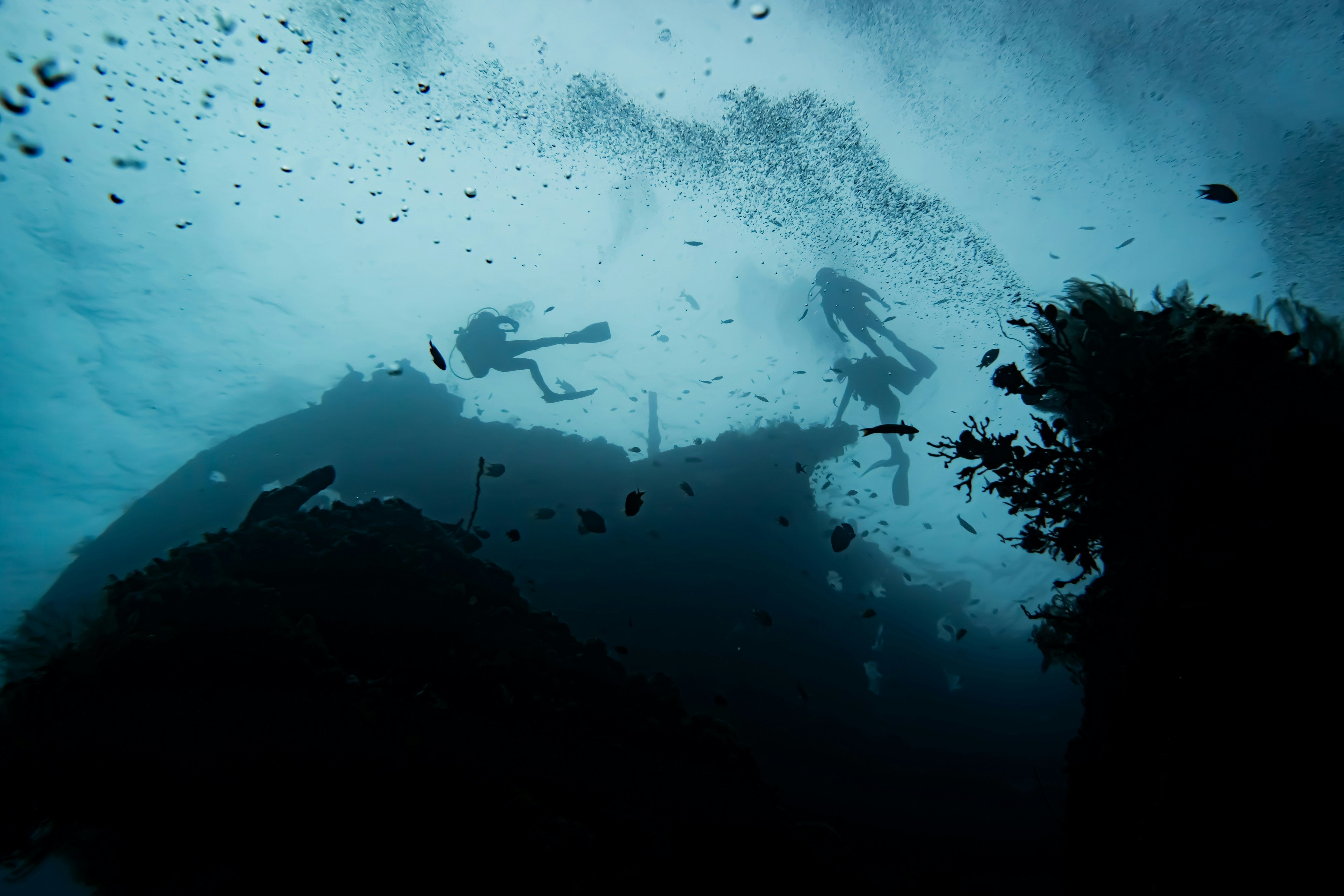
Wreck diving sits at the crossroads of history, adventure, and marine exploration. Few underwater experiences compare to descending onto a ship that has rested beneath the surface for decades, watching coral-covered steel structures transformed into thriving marine ecosystems.

The world's best wreck dives are not simply the largest or oldest shipwrecks. They offer a combination of historical significance, marine life, accessibility, and memorable underwater landscapes. Some are ideal for newly certified Advanced Open Water divers, while others require extensive experience and technical training.
If you're planning your next diving adventure, these wreck sites consistently rank among the most rewarding underwater experiences on the planet.
What Makes a Great Wreck Dive?
Every diver has a different idea of the perfect wreck. For some, it's swimming through cargo holds filled with wartime artifacts. For others, it's the opportunity to photograph schools of fish circling a sunken vessel.
The best wreck diving sites typically offer:
- Strong historical value
- Good visibility
- Healthy marine ecosystems
- Safe access for trained divers
- Multiple routes or areas to explore
- Consistent diving conditions during peak seasons
With that in mind, here are some of the world's most iconic wreck diving destinations.
1. SS Thistlegorm, Egypt
Located in the northern Red Sea, the SS Thistlegorm is one of the most celebrated wreck dives in recreational scuba diving. The British merchant vessel was sunk by German bombers in 1941 while transporting military supplies during World War II.
Today, divers can explore cargo holds containing motorcycles, trucks, rifles, boots, and railway equipment. Few wrecks offer such a direct connection to maritime history.
Dive Information
- Depth: Approximately 16-30 metres
- Experience level: Advanced Open Water recommended
- Visibility: Often 20-30 metres
- Conditions: Moderate to strong currents can occur
The wreck's size means most divers return for multiple dives to fully appreciate the site. Early morning dives often provide the best visibility and fewer crowds.

2. USAT Liberty, Bali, Indonesia
The USAT Liberty is one of the most accessible wreck dives in the world. Resting just offshore in Tulamben, Bali, it can be reached directly from the beach, eliminating the need for a boat trip.
After being torpedoed during World War II, volcanic activity eventually pushed the wreck into its current position. Over time, the vessel has become a vibrant artificial reef covered in hard and soft corals.
Dive Information
- Depth: Approximately 5-30 metres
- Experience level: Suitable for beginners through advanced divers
- Visibility: Typically 15-30 metres
- Water temperature: Usually 26-29°C
The combination of easy access, diverse marine life, and relatively calm conditions makes the USAT Liberty a favourite for underwater photographers and newer wreck divers.
3. SS Yongala, Australia
Located off Queensland's coast, the SS Yongala is often regarded as one of Australia's finest dive sites. Unlike many wrecks known primarily for their history, Yongala is famous for the extraordinary concentration of marine life that surrounds it.
Divers frequently encounter giant trevallies, sea turtles, eagle rays, groupers, and reef sharks. The wreck itself acts as a magnet for marine species in an otherwise open area of ocean.
Dive Information
- Depth: Approximately 14-28 metres
- Experience level: Advanced divers recommended
- Visibility: Commonly 10-30 metres
- Conditions: Strong currents are possible
Because of changing conditions and currents, Yongala is generally considered more challenging than many recreational wreck dives.
4. Chuuk Lagoon, Micronesia
Often referred to by divers as the world's premier wreck diving destination, Chuuk Lagoon is home to dozens of Japanese ships and aircraft sunk during Operation Hailstone in 1944.
Rather than a single wreck, Chuuk offers an entire underwater fleet. Cargo ships, tankers, submarines, aircraft, and military equipment remain scattered throughout the lagoon.
Dive Information
- Depths: Range from recreational to technical diving limits
- Experience level: Intermediate to technical divers
- Visibility: Often 15-40 metres
- Best explored over multiple diving days
Many visitors spend a week or more diving Chuuk. Dedicated dive resorts and liveaboards provide access to the lagoon's most significant wrecks.

5. Hilma Hooker, Bonaire
The Hilma Hooker is one of the Caribbean's best-known wreck dives. The former cargo vessel sank in 1984 and now rests on its side along a reef slope near Bonaire.
Its relatively straightforward profile and warm, clear Caribbean waters make it a popular choice for recreational divers.
Dive Information
- Depth: Approximately 18-30 metres
- Experience level: Intermediate divers and above
- Visibility: Frequently exceeds 25 metres
- Water temperature: Typically 26-29°C
The wreck attracts schools of reef fish, tarpon, and barracudas while remaining easily accessible from Bonaire's well-developed shore diving infrastructure.
6. Fujikawa Maru, Micronesia
Among Chuuk Lagoon's many wrecks, Fujikawa Maru stands out as one of the most photographed.
The cargo ship contains aircraft components, military artifacts, and extensive coral growth. Soft corals and marine life now cover large portions of the structure, creating a striking contrast between wartime history and natural recovery.
Dive Information
- Depth: Approximately 5-37 metres
- Experience level: Advanced Open Water recommended
- Visibility: Often 20-40 metres
Its combination of history, photogenic structures, and marine life has made it a favourite among underwater photographers.
7. Zenobia, Cyprus
The Zenobia ferry sank during its maiden voyage in 1980 and now lies off the coast of Larnaca, Cyprus.
At over 170 metres long, it is one of the Mediterranean's largest diveable wrecks. Divers can explore cargo decks, vehicle areas, and trucks that remain inside the vessel.
Dive Information
- Depth: Approximately 16-42 metres
- Experience level: Advanced Open Water and above
- Visibility: Commonly 20-30 metres
- Best season: Late spring through autumn
The wreck's size allows divers to return repeatedly and discover new sections on every dive.
8. President Coolidge, Vanuatu
The President Coolidge is among the largest accessible shipwrecks available to recreational divers. Originally a luxury ocean liner, it later served as a troopship during World War II before sinking near Espiritu Santo.
Because of its immense size, divers often spend several days exploring different sections of the wreck.
Dive Information
- Depth: Approximately 20-70 metres
- Experience level: Advanced to technical divers
- Visibility: Usually 15-30 metres
- Access: Shore diving is possible
Notable features include military equipment, cargo areas, and the famous "The Lady" statue, one of the most photographed artifacts in wreck diving.

Planning Your Wreck Diving Trip
Before booking a wreck diving holiday, consider more than just the wreck itself.
Questions worth asking include:
- What certification level is required?
- Are currents common?
- Is wreck penetration allowed?
- Do I need a wreck diving specialty certification?
- Are boat dives or liveaboards required?
- What are the seasonal weather conditions?
Trip costs vary significantly depending on the destination. Shore-based wreck diving in locations such as Bali and Bonaire is generally more affordable than remote destinations such as Chuuk Lagoon, where liveaboards and multi-day dive packages are common.
For divers interested in overhead environments, specialist wreck diving training is strongly recommended before entering enclosed spaces.
Final Thoughts
The best wreck diving sites in the world offer far more than sunken ships. They tell stories of war, trade, exploration, and the remarkable ability of nature to reclaim man-made structures.
Whether you're exploring military cargo aboard the SS Thistlegorm, photographing coral-covered steel at the USAT Liberty, or spending a week uncovering the vast underwater museum of Chuuk Lagoon, each destination delivers a unique perspective on both history and marine life.
When you're ready to plan your next wreck diving adventure, Dive Bookings makes it easy to compare destinations, discover dive operators, and book unforgettable underwater experiences around the world.
Frequently Asked Questions
What certification do I need for wreck diving?
Many wreck dives can be completed with an Advanced Open Water certification. Wreck penetration dives typically require specialized wreck diving training and experience.
Which wreck dive is best for beginners?
The USAT Liberty in Bali is widely considered one of the best beginner-friendly wreck dives due to its shallow sections, easy shore access, and generally calm conditions.
What is the most famous wreck dive in the world?
The SS Thistlegorm in Egypt is often regarded as the most iconic recreational wreck dive because of its historical cargo and excellent preservation.
Is wreck diving safe?
Wreck diving is generally safe when conducted within training limits, using proper equipment and following established diving procedures.
Are wreck dives suitable for underwater photography?
Yes. Many wrecks feature dramatic structures, marine life, and historical artifacts that create excellent photographic opportunities.
What is the best wreck diving destination for experienced divers?
Chuuk Lagoon is often considered one of the top destinations for experienced wreck divers due to the number, variety, and historical significance of its wrecks.
When is the best time to go wreck diving?
The ideal season depends on the destination. Factors such as weather, visibility, currents, and water temperature vary throughout the year.
Do wrecks attract marine life?
Yes. Many shipwrecks function as artificial reefs, attracting corals, fish, turtles, rays, and other marine species over time.
DiveBookings.com is a trusted platform for scuba diving trips, courses, and global dive experiences. Our editorial team works closely with certified dive professionals and verified operators to deliver content that meets high standards of safety, accuracy, and expertise.


