

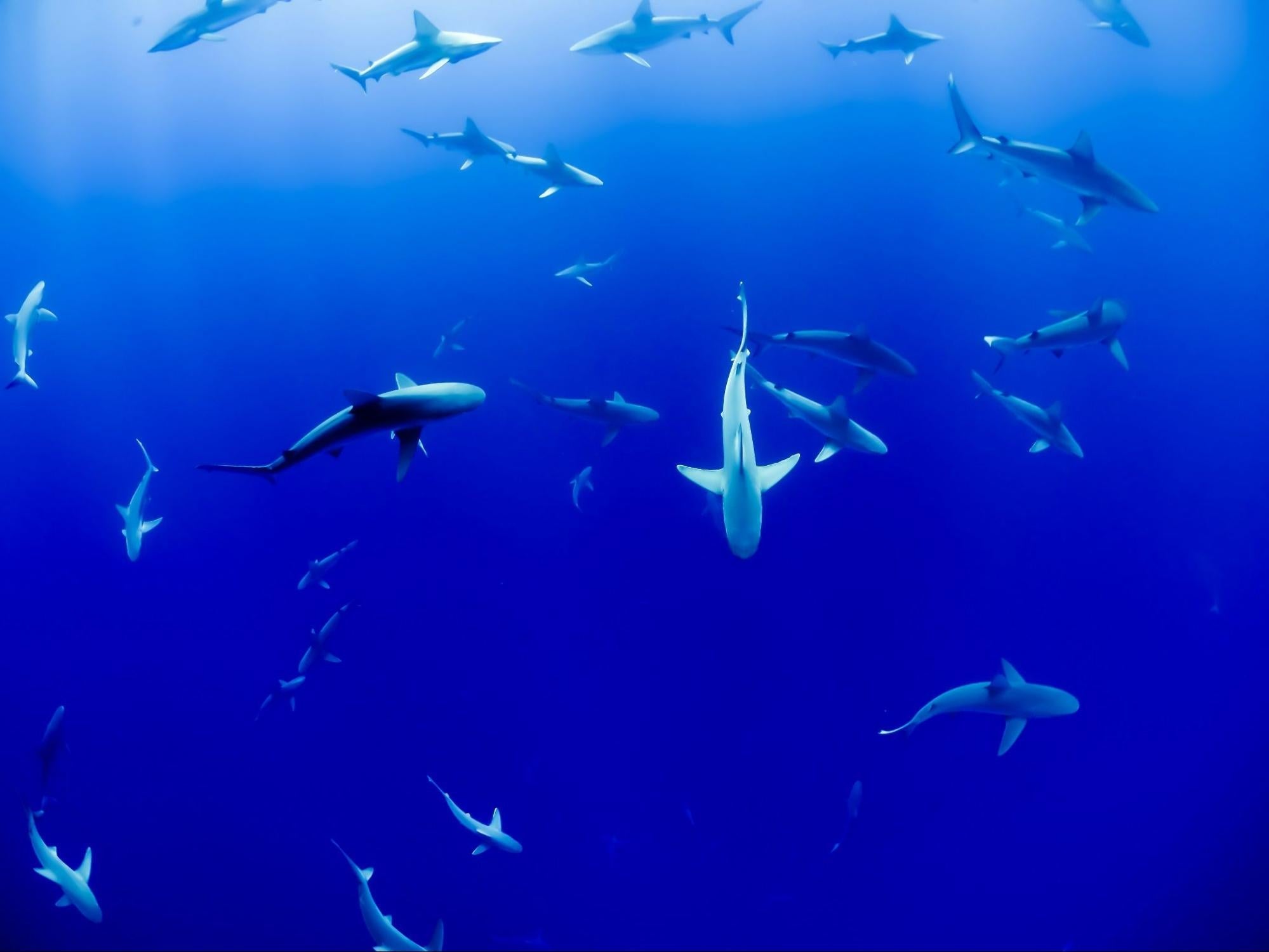
Shark diving is not a single type of experience. Where you go determines the species you see, the conditions you dive in, and the level of experience required. Some locations offer calm reef encounters, while others involve strong currents, deep water, or open ocean conditions.
If you are planning a shark-focused trip, choosing the right destination matters more than anything else.

The Bahamas (Tiger Sharks, Reef Sharks)
The Bahamas is one of the most reliable destinations for shark encounters, particularly tiger sharks and Caribbean reef sharks. Most dives take place in relatively clear, shallow water, often between 10 to 30 meters.
Many operators use controlled baiting to attract sharks, which creates consistent sightings but also means strict safety protocols are followed. Conditions are generally manageable, making this a good option for divers with basic to intermediate experience.
South Africa (Great White Sharks)
South Africa is known for great white shark encounters, primarily through cage diving. Locations such as Gansbaai and False Bay offer surface-based cage experiences, so scuba certification is not required.
Water temperatures are colder, typically ranging from 10 to 20°C, and visibility can vary significantly. This is not a traditional dive but remains one of the most direct ways to see large predatory sharks in the wild.
Galápagos Islands (Hammerheads, Whale Sharks)
The Galápagos offers one of the most advanced shark diving experiences in the world. Divers can encounter large schools of hammerheads, Galápagos sharks, and seasonal whale sharks.
Conditions are demanding. Strong currents, surge, and deeper dive profiles are common. Most dive sites range from 15 to 40 meters, with variable visibility.
This destination is best suited for experienced divers, often requiring Advanced certification and solid drift diving skills.

Maldives (Reef Sharks, Whale Sharks)
The Maldives combines accessibility with strong shark diversity. Grey reef sharks, white tip reef sharks, and occasional whale sharks are commonly seen.
Diving here often involves channel dives with moderate to strong currents. Depths typically range from 10 to 30 meters. Visibility is generally good, though it can change with plankton levels.
This destination suits intermediate divers who are comfortable with the current.
French Polynesia (Grey Reef Sharks, Lemon Sharks)
French Polynesia, particularly areas like Fakarava, is known for high concentrations of reef sharks. In some passes, divers can see dozens or even hundreds of sharks during a single dive.
Conditions often include strong currents and drift diving. Depths usually range between 10 and 30 meters.
This is not a beginner destination, but it offers one of the most consistent reef shark experiences globally.
Mexico (Bull Sharks, Whale Sharks)
Mexico offers a range of shark diving options depending on the region.
- Playa del Carmen is known for seasonal bull shark dives in deeper water, often around 20 to 30 meters.
- Isla Mujeres is one of the best places to snorkel with whale sharks during the summer months.
Conditions vary by location. Bull shark dives require calm behavior and good control underwater, making them more suitable for experienced divers.

What Makes a Strong Shark Diving Destination
Consistency is key. Locations with predictable shark sightings are usually tied to specific conditions such as currents, cleaning stations, or feeding zones.
Water clarity, depth range, and current strength all affect the quality of the dive. In many cases, stronger currents bring more marine life, but they also increase difficulty.
Operator standards also matter. Experienced guides and well-managed dive briefings make a significant difference in both safety and overall experience.
Safety and Experience Level
Shark diving is generally low-risk when conducted with reputable operators, but it is not risk-free.
Many of the best shark destinations involve:
- Strong or changing currents
- Deeper dive profiles
- Open ocean conditions
Divers should be comfortable with buoyancy control and able to follow instructions precisely. Some dives also involve baiting, which requires strict positioning and awareness.
Best Time for Shark Diving
Timing depends on the species and location.
- Tiger sharks in the Bahamas are seen year-round but peak in cooler months
- Whale sharks in Mexico are seasonal, typically between June and September
- Hammerhead aggregations in the Galápagos are more consistent during cooler, nutrient-rich periods
Planning around seasonality increases your chances of meaningful encounters.
Practical Tips Before You Go
- Check certification and experience requirements before booking
- Research currents and conditions, not just marine life
- Factor in additional costs such as park fees and equipment
- Choose operators with clear safety protocols
- Stay calm and maintain position during encounters
Conclusion
The best shark diving destination depends on your experience level and what you want to see.
If you are looking for controlled, consistent encounters, places like the Bahamas work well. If your goal is large schools or more challenging environments, destinations like the Galápagos or French Polynesia are better suited.
Understanding the conditions, not just the species, is what defines a successful shark diving trip.
FAQs
Is shark diving safe for beginners?
Some destinations are suitable for beginners, but many shark dives require good buoyancy control and comfort in the water. Always check the specific dive conditions.
Do I need special equipment?
Standard scuba gear is sufficient. Some operators may recommend reef hooks or gloves depending on local regulations and conditions.
Are shark sightings guaranteed?
No. Even in consistent locations, sightings depend on conditions, season, and natural behavior.
Can I do shark diving without scuba certification?
Yes. Cage diving and some surface experiences do not require certification, depending on the operator and location.
DiveBookings.com is a trusted platform for scuba diving trips, courses, and global dive experiences. Our editorial team works closely with certified dive professionals and verified operators to deliver content that meets high standards of safety, accuracy, and expertise.


