

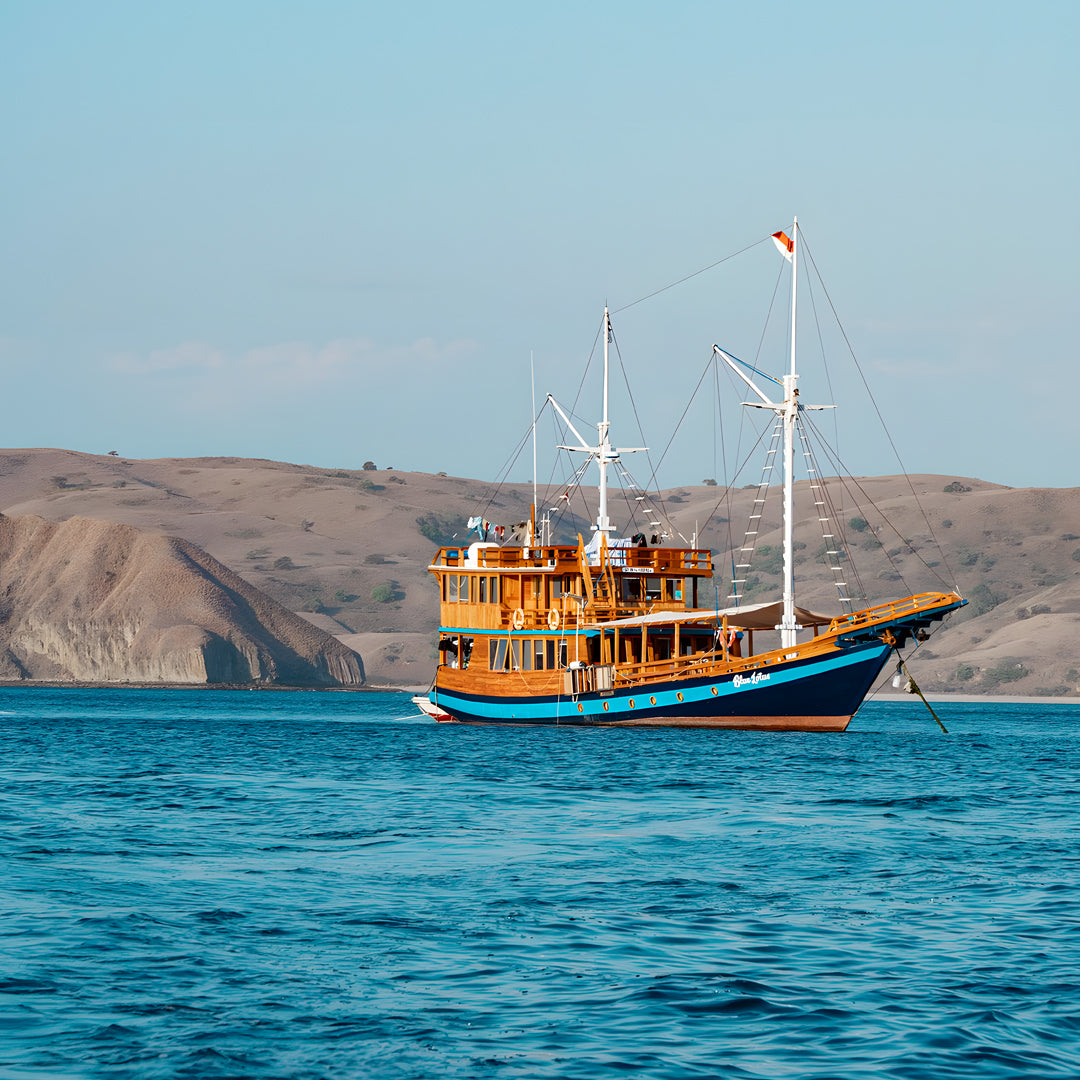
For many divers, the best part of a dive trip is not simply getting underwater. It is reaching places that are difficult to access from shore, waking up beside remote reefs, and spending several days with the ocean as the centre of the journey. That is where a liveaboard changes the experience.
Instead of returning to a resort after every dive, you live on the boat and move through a wider diving region. This allows you to reach offshore reefs, walls, pinnacles, wrecks and marine habitats that may be too far away for conventional day boats.

For divers comparing the best liveaboards in the world, the appeal is not just luxury or the number of dives. It is access, itinerary quality, experienced crews and the opportunity to experience a destination at a much deeper level.
What Makes a Liveaboard Different?
A liveaboard is essentially a floating dive base. Your accommodation, meals, dive equipment and transportation between dive sites are combined into one trip.
A typical itinerary can include multiple dives per day, although the exact schedule depends on the destination, weather, currents, operator and route. Some trips focus heavily on reefs and marine life, while others are designed around wrecks, pelagic encounters or remote sites.
The biggest advantage is simple: the boat goes to the diving rather than making divers travel back and forth from a shore-based resort.
That can make a significant difference in destinations where the most interesting sites are many hours from the nearest harbour.
Reaching Remote Dive Sites
Some underwater environments are best experienced from a liveaboard because of their location.
Raja Ampat, the Maldives, the Galápagos, Cocos Island, the Red Sea, Komodo and the Revillagigedo Islands are examples of regions where liveaboards can provide access to extensive or remote diving areas. PADI also highlights destinations such as Raja Ampat, Maldives, Galápagos, Cocos Island and the Red Sea among notable liveaboard diving locations.
The attraction is not simply reaching a famous site. A good itinerary gives divers the chance to explore several environments during one trip.
One day might involve a reef covered in soft corals. The next could bring a steep wall, a current-swept channel or a historic wreck.
That variety is one reason experienced divers often choose liveaboards for destination-focused diving holidays.
The Rhythm of Life on a Liveaboard
Life aboard a dive boat is different from a traditional beach holiday.
Days often begin early, with divers preparing equipment for the first dive. Depending on the itinerary, there may be additional dives throughout the day, meals between dives and time to rest, photograph marine life or simply enjoy the scenery from the deck.
The schedule is usually structured around the diving.
For some people, this is the main attraction. There is less time spent travelling to and from dive centres, and more time devoted to the underwater environment.
It can also create a stronger connection with the destination. You may spend several days offshore rather than seeing the ocean only during scheduled excursions.
Choosing Between Different Liveaboard Experiences
Not every liveaboard is designed for the same diver.
Some boats are simple and practical, with the emphasis firmly on diving. Others offer larger cabins, private bathrooms, spacious lounges and more premium facilities.
The right choice depends on what matters most to you.
If diving is the priority, look closely at the itinerary, number of planned dives, maximum group size, guide-to-diver ratio and the experience requirements. If comfort matters just as much, accommodation, food, cabin configuration and communal areas deserve equal attention.
A luxury boat does not automatically mean a better diving experience. Likewise, a basic vessel can provide exceptional diving if it has an intelligently designed itinerary and an experienced crew.
The underwater programme should remain one of the most important factors when comparing the best liveaboards in the world.
Know the Diving Conditions Before You Book
One of the most important considerations is whether the diving matches your experience.
Remote destinations can involve currents, surge, drift diving, deeper profiles or challenging entries and exits. For example, PADI notes that some Indonesian liveaboard itineraries can include current-heavy and deep dives, while certain Maldives routes may require substantial previous diving experience.
This does not mean that every liveaboard is difficult. Many itineraries are suitable for recreational divers with appropriate certification and experience.
However, divers should check the operator's requirements before booking rather than assuming that a famous destination is automatically suitable for beginners.
Ask about:
- Minimum certification level
- Recommended number of logged dives
- Current strength
- Typical dive depths
- Water temperature
- Visibility
- Entry and exit conditions
- Nitrox availability
- Safety and emergency procedures
These details can have a much greater impact on your trip than the appearance of the boat.
More Dives Means More Planning
One of the biggest attractions of liveaboards is the opportunity to make several dives over consecutive days. But that also means divers need to take repetitive diving seriously.
Multiple dives over multiple days increase decompression exposure, and individual responses to repetitive diving vary. DAN has documented cases of decompression sickness occurring during liveaboard trips and stresses the importance of sensible dive planning during multi-dive itineraries.
Your dive computer, surface intervals, ascent procedures and the operator's planned profiles all matter.
The goal should not be to squeeze the maximum possible bottom time out of every dive. Good liveaboard diving is about enjoying the entire itinerary while maintaining sensible margins.
Divers should also plan their post-trip flight carefully. DAN recommends at least 18 hours before flying after multiple dives or multiple days of diving, with longer intervals relevant when decompression stops are involved.
What to Look for in the Best Liveaboards in the World
The phrase “best” can mean different things to different divers.
For one person, it may mean luxury cabins and fine dining. For another, it may mean access to untouched reefs and small groups. A photographer may prioritise long bottom times and dedicated camera facilities, while a wreck diver may care more about itinerary depth and site selection.
A useful checklist includes:
- Itinerary: Does the route visit the sites you actually want to dive?
- Dive schedule: How many dives are included, and are night dives offered?
- Group size: Smaller groups can make diving and underwater photography more comfortable.
- Guiding: Are experienced dive guides familiar with the local conditions?
- Safety: What emergency equipment, communications and evacuation procedures are available?
- Experience requirements: Are the dives appropriate for your certification and logged experience?
- Equipment: Is rental equipment available, and can you use nitrox if qualified?
- Comfort: Does the cabin arrangement suit the length of the trip?
- Reviews: Look for consistent feedback about the crew, diving operation and itinerary rather than focusing only on photographs of the boat.
These details help separate a genuinely strong diving operation from one that simply looks impressive online.
The Destinations That Define Liveaboard Diving
Different regions offer very different underwater experiences.
Raja Ampat is known for exceptional reef diversity and a combination of coral, fish life and larger marine animals.
The Maldives offers extensive atoll diving, channels, pinnacles and opportunities for encounters with manta rays and other pelagic species.
The Red Sea combines clear tropical water with coral reefs and famous wrecks, making it particularly appealing to divers interested in both reef and wreck diving.
The Galápagos is a very different proposition, with nutrient-rich waters, strong currents in some areas and the possibility of encounters with large pelagic species. Darwin and Wolf Islands are among the highlights of Galápagos liveaboard itineraries.
Komodo is valued for its combination of coral reefs, currents, dramatic underwater topography and marine biodiversity.
There is no single destination that can objectively be called the world's best. The strongest choice depends on the kind of diving you want.
Why Experienced Divers Keep Coming Back
A successful liveaboard trip is about more than collecting dive sites in a logbook.
It is the feeling of waking up somewhere remote, checking the sea conditions, preparing your equipment and knowing that another unfamiliar reef is waiting below.
You spend several days surrounded by divers who have made the same choice: to trade the convenience of a resort for closer access to the ocean.
For experienced divers, that immersion can be the most rewarding part of the journey.
The best liveaboards in the world are therefore not necessarily the most expensive boats or the ones with the most luxurious cabins. They are the trips that combine the right destination, thoughtful itinerary, capable crew, appropriate diving conditions and a well-managed operation.
Planning Your Liveaboard Adventure
Before booking, research the destination carefully and match the itinerary to your own experience.
Check the season, water conditions, expected marine life, certification requirements and route. Consider whether you prefer reefs, wrecks, macro subjects, sharks, manta rays or pelagic encounters. Then compare boats based on what actually affects the diving experience.
Most importantly, allow the diving to set the pace.
A liveaboard gives you something a conventional dive holiday often cannot: several uninterrupted days in a marine environment, with remote sites within reach and very little time wasted travelling back to shore.
For divers who want to go beyond familiar reefs and explore further offshore, that combination can turn a normal diving holiday into a genuine expedition.

FAQs
-
What is a liveaboard diving trip?
A liveaboard is a boat where divers stay overnight while travelling between multiple dive sites. -
Are liveaboards suitable for beginners?
Some are, but others involve strong currents, deeper dives or challenging conditions. Always check the operator's experience requirements. -
How many dives do liveaboards usually offer?
The number varies by itinerary, destination and conditions. Some trips offer several dives per day, whileMald others follow a less intensive schedule. -
What should I consider when choosing a liveaboard?
Focus on the itinerary, diving conditions, experience requirements, safety procedures, group size, equipment and accommodation. -
How long should I wait before flying after a liveaboard?
For multiple dives or multiple days of diving, DAN recommends a minimum preflight surface interval of 18 hours.


