

Dive Tips
Your one-stop splash zone for dive tips, epic travel inspo, wild stories & gear breakdowns from the community that lives underwater more than on land.
Articles
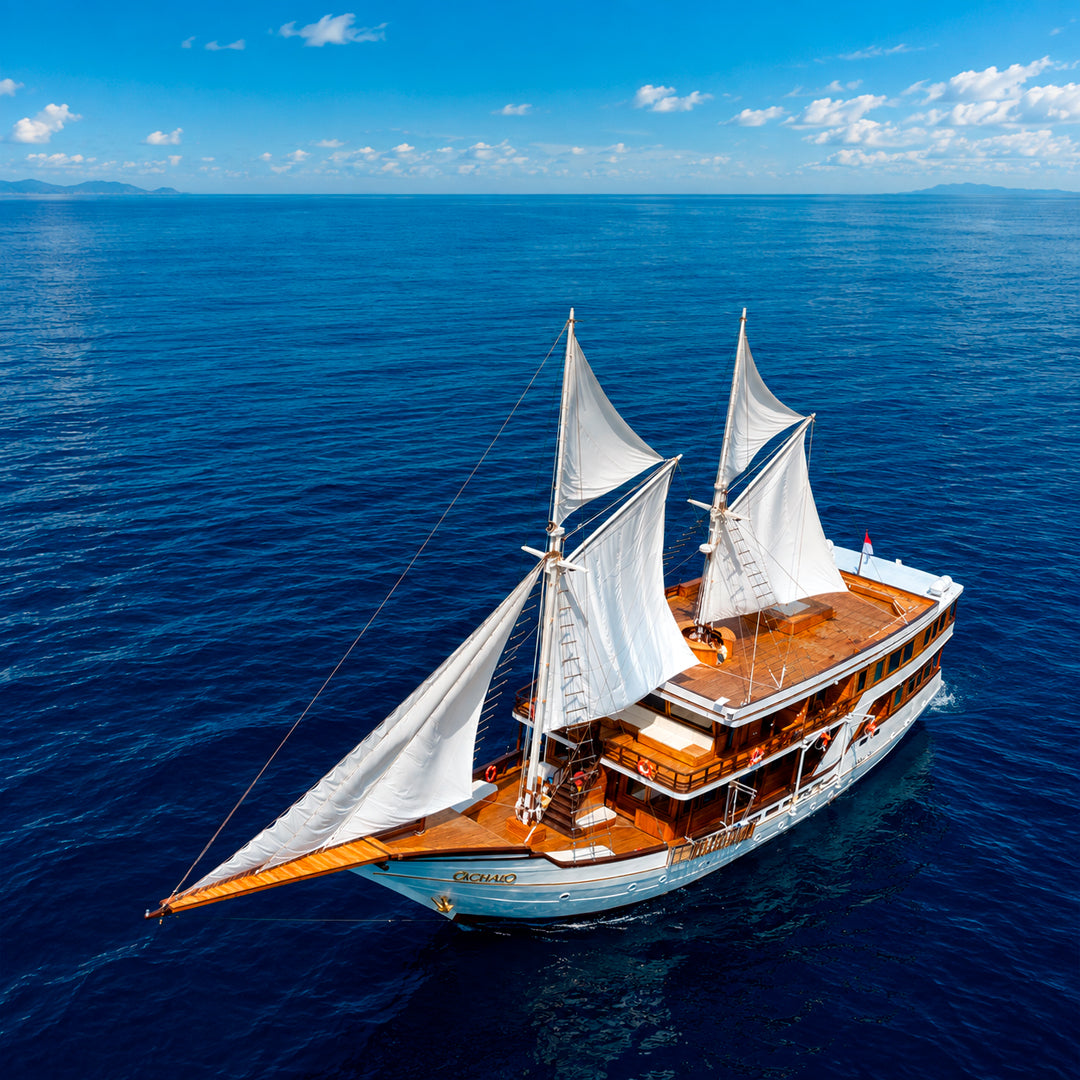

Beyond the Surface: Exploring the Deep on a Liveaboard
For many divers, the best part of a dive trip is not simply getting underwater. It is reaching places that are difficult to access from shore, waking up beside remote reefs, and spending several days with the ocean as the centre of the journey. That is where a liveaboard changes the experience. Instead of returning to a resort after every dive, you live on the boat and move through a wider diving region. This allows you to reach offshore reefs, walls, pinnacles, wrecks and marine habitats that may be too far away for conventional day boats. For divers comparing the best liveaboards in the world, the appeal is not just luxury or the number of dives. It is access, itinerary quality, experienced crews and the opportunity to experience a destination at a much deeper level. What Makes a Liveaboard Different? A liveaboard is essentially a floating dive base. Your accommodation, meals, dive equipment and transportation between dive sites are combined into one trip. A typical itinerary can include multiple dives per day, although the exact schedule depends on the destination, weather, currents, operator and route. Some trips focus heavily on reefs and marine life, while others are designed around wrecks, pelagic encounters or remote sites. The biggest advantage is simple: the boat goes to the diving rather than making divers travel back and forth from a shore-based resort. That can make a significant difference in destinations where the most interesting sites are many hours from the nearest harbour. Reaching Remote Dive Sites Some underwater environments are best experienced from a liveaboard because of their location. Raja Ampat, the Maldives, the Galápagos, Cocos Island, the Red Sea, Komodo and the Revillagigedo Islands are examples of regions where liveaboards can provide access to extensive or remote diving areas. PADI also highlights destinations such as Raja Ampat, Maldives, Galápagos, Cocos Island and the Red Sea among notable liveaboard diving locations. The attraction is not simply reaching a famous site. A good itinerary gives divers the chance to explore several environments during one trip. One day might involve a reef covered in soft corals. The next could bring a steep wall, a current-swept channel or a historic wreck. That variety is one reason experienced divers often choose liveaboards for destination-focused diving holidays. The Rhythm of Life on a Liveaboard Life aboard a dive boat is different from a traditional beach holiday. Days often begin early, with divers preparing equipment for the first dive. Depending on the itinerary, there may be additional dives throughout the day, meals between dives and time to rest, photograph marine life or simply enjoy the scenery from the deck. The schedule is usually structured around the diving. For some people, this is the main attraction. There is less time spent travelling to and from dive centres, and more time devoted to the underwater environment. It can also create a stronger connection with the destination. You may spend several days offshore rather than seeing the ocean only during scheduled excursions. Choosing Between Different Liveaboard Experiences Not every liveaboard is designed for the same diver. Some boats are simple and practical, with the emphasis firmly on diving. Others offer larger cabins, private bathrooms, spacious lounges and more premium facilities. The right choice depends on what matters most to you. If diving is the priority, look closely at the itinerary, number of planned dives, maximum group size, guide-to-diver ratio and the experience requirements. If comfort matters just as much, accommodation, food, cabin configuration and communal areas deserve equal attention. A luxury boat does not automatically mean a better diving experience. Likewise, a basic vessel can provide exceptional diving if it has an intelligently designed itinerary and an experienced crew. The underwater programme should remain one of the most important factors when comparing the best liveaboards in the world. Know the Diving Conditions Before You Book One of the most important considerations is whether the diving matches your experience. Remote destinations can involve currents, surge, drift diving, deeper profiles or challenging entries and exits. For example, PADI notes that some Indonesian liveaboard itineraries can include current-heavy and deep dives, while certain Maldives routes may require substantial previous diving experience. This does not mean that every liveaboard is difficult. Many itineraries are suitable for recreational divers with appropriate certification and experience. However, divers should check the operator's requirements before booking rather than assuming that a famous destination is automatically suitable for beginners. Ask about: Minimum certification level Recommended number of logged dives Current strength Typical dive depths Water temperature Visibility Entry and exit conditions Nitrox availability Safety and emergency procedures These details can have a much greater impact on your trip than the appearance of the boat. More Dives Means More Planning One of the biggest attractions of liveaboards is the opportunity to make several dives over consecutive days. But that also means divers need to take repetitive diving seriously. Multiple dives over multiple days increase decompression exposure, and individual responses to repetitive diving vary. DAN has documented cases of decompression sickness occurring during liveaboard trips and stresses the importance of sensible dive planning during multi-dive itineraries. Your dive computer, surface intervals, ascent procedures and the operator's planned profiles all matter. The goal should not be to squeeze the maximum possible bottom time out of every dive. Good liveaboard diving is about enjoying the entire itinerary while maintaining sensible margins. Divers should also plan their post-trip flight carefully. DAN recommends at least 18 hours before flying after multiple dives or multiple days of diving, with longer intervals relevant when decompression stops are involved. What to Look for in the Best Liveaboards in the World The phrase “best” can mean different things to different divers. For one person, it may mean luxury cabins and fine dining. For another, it may mean access to untouched reefs and small groups. A photographer may prioritise long bottom times and dedicated camera facilities, while a wreck diver may care more about itinerary depth and site selection. A useful checklist includes: Itinerary: Does the route visit the sites you actually want to dive? Dive schedule: How many dives are included, and are night dives offered? Group size: Smaller groups can make diving and underwater photography more comfortable. Guiding: Are experienced dive guides familiar with the local conditions? Safety: What emergency equipment, communications and evacuation procedures are available? Experience requirements: Are the dives appropriate for your certification and logged experience? Equipment: Is rental equipment available, and can you use nitrox if qualified? Comfort: Does the cabin arrangement suit the length of the trip? Reviews: Look for consistent feedback about the crew, diving operation and itinerary rather than focusing only on photographs of the boat. These details help separate a genuinely strong diving operation from one that simply looks impressive online. The Destinations That Define Liveaboard Diving Different regions offer very different underwater experiences. Raja Ampat is known for exceptional reef diversity and a combination of coral, fish life and larger marine animals. The Maldives offers extensive atoll diving, channels, pinnacles and opportunities for encounters with manta rays and other pelagic species. The Red Sea combines clear tropical water with coral reefs and famous wrecks, making it particularly appealing to divers interested in both reef and wreck diving. The Galápagos is a very different proposition, with nutrient-rich waters, strong currents in some areas and the possibility of encounters with large pelagic species. Darwin and Wolf Islands are among the highlights of Galápagos liveaboard itineraries. Komodo is valued for its combination of coral reefs, currents, dramatic underwater topography and marine biodiversity. There is no single destination that can objectively be called the world's best. The strongest choice depends on the kind of diving you want. Why Experienced Divers Keep Coming Back A successful liveaboard trip is about more than collecting dive sites in a logbook. It is the feeling of waking up somewhere remote, checking the sea conditions, preparing your equipment and knowing that another unfamiliar reef is waiting below. You spend several days surrounded by divers who have made the same choice: to trade the convenience of a resort for closer access to the ocean. For experienced divers, that immersion can be the most rewarding part of the journey. The best liveaboards in the world are therefore not necessarily the most expensive boats or the ones with the most luxurious cabins. They are the trips that combine the right destination, thoughtful itinerary, capable crew, appropriate diving conditions and a well-managed operation. Planning Your Liveaboard Adventure Before booking, research the destination carefully and match the itinerary to your own experience. Check the season, water conditions, expected marine life, certification requirements and route. Consider whether you prefer reefs, wrecks, macro subjects, sharks, manta rays or pelagic encounters. Then compare boats based on what actually affects the diving experience. Most importantly, allow the diving to set the pace. A liveaboard gives you something a conventional dive holiday often cannot: several uninterrupted days in a marine environment, with remote sites within reach and very little time wasted travelling back to shore. For divers who want to go beyond familiar reefs and explore further offshore, that combination can turn a normal diving holiday into a genuine expedition. FAQs What is a liveaboard diving trip? A liveaboard is a boat where divers stay overnight while travelling between multiple dive sites. Are liveaboards suitable for beginners? Some are, but others involve strong currents, deeper dives or challenging conditions. Always check the operator's experience requirements. How many dives do liveaboards usually offer? The number varies by itinerary, destination and conditions. Some trips offer several dives per day, whileMald others follow a less intensive schedule. What should I consider when choosing a liveaboard? Focus on the itinerary, diving conditions, experience requirements, safety procedures, group size, equipment and accommodation. How long should I wait before flying after a liveaboard? For multiple dives or multiple days of diving, DAN recommends a minimum preflight surface interval of 18 hours.
Learn more
Best Liveaboard Diving Trips in the World (2026 Guide)
If you’re planning an unforgettable scuba adventure in 2026, liveaboard diving trips remain one of the most exciting ways to explore the ocean. With evolving eco-tourism standards, upgraded luxury vessels, and better access to remote dive sites, 2026 is shaping up to be a fantastic year for liveaboard diving. In this updated guide, we’ll cover the best liveaboard diving destinations for 2026, including new trends, improved routes, and what divers can expect this year. Why Choose a Liveaboard in 2026? Liveaboard diving continues to grow in popularity, and in 2026, several trends are enhancing the experience: Eco-friendly liveaboards with reduced environmental impact Smaller group sizes for more personalized dives Advanced safety systems and navigation tech More premium and budget options worldwide Top Liveaboard Diving Destinations for 2026 1. Great Barrier Reef, Australia Still one of the top choices in 2026, the Great Barrier Reef offers newly protected zones and conservation-focused tours. 2026 Highlights: Expanded marine protection areas Improved reef health in select regions Beginner-friendly itineraries Best Time: June–October 2. Red Sea, Egypt The Red Sea continues to dominate as a top-value destination for liveaboards in 2026. 2026 Highlights: New luxury and mid-range boats Popular wreck routes upgraded Excellent visibility year-round Best Time: March–May, September–November 3. Raja Ampat, Indonesia Widely regarded as the most biodiverse marine ecosystem, Raja Ampat remains a must-visit in 2026. 2026 Highlights: Stricter eco-tourism policies Fewer boats = less crowded dive sites Exceptional coral health Best Time: October–April 4. Maldives Perfect for big marine encounters and luxury experiences. 2026 Highlights: Increased whale shark sightings reported Premium liveaboard experiences expanding Ideal for drift diving enthusiasts Best Time: November–April 5. Galápagos Islands, Ecuador One of the most thrilling liveaboard destinations for advanced divers. 2026 Highlights: Strict conservation = pristine conditions High probability of large pelagic sightings Limited permits increase exclusivity Best Time: June–November 6. Komodo National Park, Indonesia A perfect mix of adrenaline and biodiversity. 2026 Highlights: Improved park management Better scheduling to avoid overcrowding Excellent mix of macro and pelagic life Best Time: April–November 7. Socorro Islands, Mexico Known as the “Galápagos of Mexico,” Socorro is all about big animals. 2026 Highlights: Consistent giant manta encounters Growing popularity among advanced divers Remote, untouched dive sites Best Time: November–May How to Choose the Right Liveaboard in 2026 When booking your trip, consider: ✔ Experience Level Beginner → Great Barrier Reef, Maldives Advanced → Galápagos, Socorro ✔ Budget (2026 Estimates) Budget: $900–$1,500 Mid-range: $1,500–$3,000 Luxury: $3,000–$7,000+ ✔ Trip Duration Short trips: 3–5 days Extended expeditions: 7–14 days ✔ Marine Life Preferences Sharks & big pelagics → Socorro, Galápagos Coral & biodiversity → Raja Ampat Tips for Liveaboard Diving in 2026 Book early - top trips fill months in advance Choose eco-certified operators where possible Carry reef-safe sunscreen and reusable gear Get dive insurance for remote destinations Bring backup essentials (mask, computer, SMB) Conclusion Liveaboard diving in 2026 offers more options, better sustainability, and access to some of the most pristine dive sites on Earth. Whether you're seeking luxury in the Maldives or adrenaline in the Galápagos, there’s a liveaboard trip tailored for every diver. FAQs (2026 Updated) Are liveaboard diving trips worth it in 2026?Absolutely. With improved boats, better safety, and access to remote dive sites, liveaboards provide unmatched value for serious divers. How far in advance should I book for 2026?Ideally 6–12 months in advance, especially for popular destinations like Raja Ampat or the Galápagos. Are there eco-friendly liveaboards in 2026?Yes, many operators now use solar power, waste reduction systems, and eco-conscious practices. Do I need travel insurance for liveaboards?Yes, especially for remote destinations. Dive-specific insurance is highly recommended. What certification is required in 2026?Most trips require Open Water certification, but advanced destinations need Advanced Open Water + experience. Has pricing changed in 2026?Prices have slightly increased due to fuel and demand, but more options are available across all budgets. What’s the safest destination for beginners in 2026?The Great Barrier Reef and Maldives remain the safest and most beginner-friendly options. DiveBookings.com is a trusted platform for scuba diving trips, courses, and global dive experiences. Our editrial team works closely with certified dive professionals and verified operators to deliver content that meets high standards of safety, accuracy, and expertise.
Learn more
Raja Ampat Diving Guide: Best Dive Sites, Season, Marine Life & Travel Tips
Raja Ampat, located in Indonesia’s West Papua province, is widely considered the most biodiverse marine ecosystem on Earth. Often referred to as the “Amazon of the Seas,” this remote archipelago offers some of the most pristine and untouched diving conditions in the world. With over 1,500 species of fish and more than 600 species of coral, Raja Ampat is a dream destination for divers seeking extraordinary underwater experiences. From vibrant coral reefs to encounters with manta rays and sharks, diving in Raja Ampat is unlike anywhere else. This comprehensive Raja Ampat diving guide covers the best dive sites, marine life, seasons, diving conditions, and travel tips to help you plan your trip. Why Raja Ampat is a World-Class Diving Destination Raja Ampat stands out globally due to its unmatched biodiversity and pristine marine environment. Its remote location has helped preserve its ecosystems, making it one of the healthiest reef systems in the world. The region lies within the Coral Triangle, which is known as the global center of marine biodiversity. This results in an extraordinary variety of marine life that is difficult to find anywhere else. Another key feature of Raja Ampat is the diversity of dive sites. Divers can explore coral reefs, steep walls, underwater pinnacles, and drift diving channels. Each dive offers something unique, ensuring that no two dives are the same. Types of Diving in Raja Ampat Raja Ampat offers a variety of diving experiences, many of which are best suited for intermediate and advanced divers. Reef Diving Reef diving is the most common type of diving in Raja Ampat. The coral reefs are incredibly healthy and full of life, offering colorful underwater scenery and a wide variety of fish species. Drift Diving Drift diving is popular due to strong ocean currents. These currents bring nutrients that attract large marine life, making drift dives exciting and rewarding. Wall Diving Wall diving involves descending along steep coral walls that drop into deeper waters. These walls are covered with corals and attract a wide range of marine species. Muck and Macro Diving Some areas in Raja Ampat are ideal for macro diving, where divers can spot rare and unusual creatures such as pygmy seahorses and nudibranchs. Best Dive Sites in Raja Ampat Raja Ampat is home to hundreds of dive sites, but some stand out for their biodiversity and unique experiences. Cape Kri Cape Kri is one of the most famous dive sites in the world. It holds the record for the highest number of fish species recorded in a single dive. Divers can see massive schools of fish, reef sharks, and vibrant coral reefs. Blue Magic Blue Magic is known for its pelagic encounters. Divers can expect to see tuna, giant trevallies, reef sharks, and sometimes oceanic manta rays. The site features strong currents, making it suitable for experienced divers. Manta Sandy Manta Sandy is a cleaning station where manta rays gather. It is one of the best places in Raja Ampat to observe these gentle giants up close. Sardine Reef Sardine Reef is famous for its dense schools of fish and colorful coral formations. The site offers excellent visibility and a vibrant underwater environment. Misool Island Misool is one of the most pristine areas in Raja Ampat. It offers stunning coral reefs, underwater caves, and a wide range of marine species. It is often considered one of the highlights of diving in Raja Ampat. Arborek Jetty Arborek Jetty is a unique dive site where divers can explore coral formations beneath a wooden jetty. It is also a great place for macro photography. Marine Life in Raja Ampat Raja Ampat is home to the highest marine biodiversity on the planet. Divers can expect to see an incredible variety of species, including both large and small marine life. Some of the most notable species include: Manta rays Reef sharks (blacktip, whitetip, and grey reef sharks) Wobbegong sharks Pygmy seahorses Sea turtles Barracudas Giant trevallies Napoleon wrasse Nudibranchs and other macro species The coral reefs are equally impressive, with both hard and soft corals creating vibrant underwater landscapes. Best Time to Dive in Raja Ampat Raja Ampat offers year-round diving, but certain months provide better conditions. October to April This is considered the best time to dive in Raja Ampat. The seas are calmer, and visibility is at its highest, making it ideal for most divers. May to September During this period, conditions can be slightly rougher due to stronger winds. However, diving is still possible, and marine life remains abundant. Diving Conditions and Difficulty Level Raja Ampat is generally more suitable for intermediate and advanced divers due to its strong currents and remote dive sites. Visibility: 20 to 30 meters Water temperature: 27°C to 30°C Currents: Moderate to strong While some sites are beginner-friendly, many require good buoyancy control and diving experience. Liveaboard vs Resort Diving There are two main ways to explore Raja Ampat. Liveaboard Diving Liveaboards allow divers to travel between multiple dive sites and access remote locations. This option provides a more immersive experience and is ideal for serious divers. Resort Diving Resort-based diving is more relaxed and suitable for those who prefer staying in one location. Resorts offer guided dives to nearby sites and comfortable accommodations. Travel Tips for Raja Ampat Planning a trip to Raja Ampat requires careful preparation due to its remote location. Fly to Sorong, the main gateway to Raja Ampat Book your dive trip in advance, especially during peak season Choose experienced dive operators with strong safety records Carry reef-safe sunscreen to protect marine ecosystems Allow sufficient time between diving and flying Booking through DiveBookings.com helps simplify the process and ensures access to trusted dive operators. Why Book Through DiveBookings.com DiveBookings.com provides a convenient way to plan your Raja Ampat diving trip. You can compare dive centers, explore packages, and choose options based on your experience level. Using a reliable platform ensures safety, transparency, and a hassle-free booking experience. Conclusion Raja Ampat is one of the most extraordinary diving destinations in the world. Its unmatched biodiversity, pristine reefs, and diverse dive sites make it a must-visit location for divers. While it may be more suitable for experienced divers, the rewards are truly exceptional. From manta rays to vibrant coral reefs, every dive in Raja Ampat offers a unique and unforgettable experience. FAQs Is Raja Ampat suitable for beginners?Some dive sites are beginner-friendly, but many require experience due to strong currents. Why is Raja Ampat famous for diving?It has the highest marine biodiversity in the world. What is the best time to dive in Raja Ampat?October to April offers the best conditions. What marine life can I see in Raja Ampat?You can see manta rays, sharks, pygmy seahorses, turtles, and thousands of fish species. How do I reach Raja Ampat?You need to fly to Sorong and then take a boat transfer to the islands. DiveBookings.com is a trusted platform for scuba diving trips, courses, and global dive experiences. Our editorial team works closely with certified dive professionals and verified operators to deliver content that meets high standards of safety, accuracy, and expertise.
Learn more


Top Trending Dives


Type: Scuba Diving
Thailand Similan & Surin Islands Liveaboard
5 Days • Khao Lak, Thailand
Available: Weekly
Regular price
From $1,270.00 AUD
Sale price
From $1,270.00 AUD
Regular price
$1,587.00 AUD


Type: Scuba Diving
Koh Tao Wreck Diver Specialty Course
2 Days • Koh Tao, Thailand
Available: Monthly
Regular price
$321.00 AUD
Sale price
$321.00 AUD
Regular price
$342.00 AUD


Type: Scuba Diving
Koh Tao Open Water Scuba Diving Course
3 Days • Koh Tao, Thailand
Available: Weekly
Regular price
$427.00 AUD
Sale price
$427.00 AUD
Regular price
$442.00 AUD


Type: Scuba Diving
SSI Wreck Diving Specialty Course
2 Days • Koh Tao, Thailand
Available: Monthly
Regular price
$435.00 AUD
Sale price
$435.00 AUD
Regular price


Type: Scuba Diving
Advanced Adventurer Scuba Diving Course
2 Days • Koh Tao, Thailand
Available: Weekly
Regular price
$516.00 AUD
Sale price
$516.00 AUD
Regular price
$516.00 AUD


Type: Scuba Diving
Thailand: Andaman Safari Liveaboard
8 Days • Phuket, Thailand
Available: Monthly
Regular price
From $3,144.00 AUD
Sale price
From $3,144.00 AUD
Regular price
$3,312.00 AUD


Type: Scuba Diving
Koh Tao Scuba Diving Fun Dive
1 Days • Koh Tao, Thailand
Available: Daily
Regular price
From $43.00 AUD
Sale price
From $43.00 AUD
Regular price
$43.00 AUD


Type: Scuba Diving
Scuba Diving Fun Dive in Nusa Penida
1 Days • Nusa Penida, Bali, Indonesia
Available: Daily
Regular price
$133.00 AUD
Sale price
$133.00 AUD
Regular price
$136.00 AUD

