

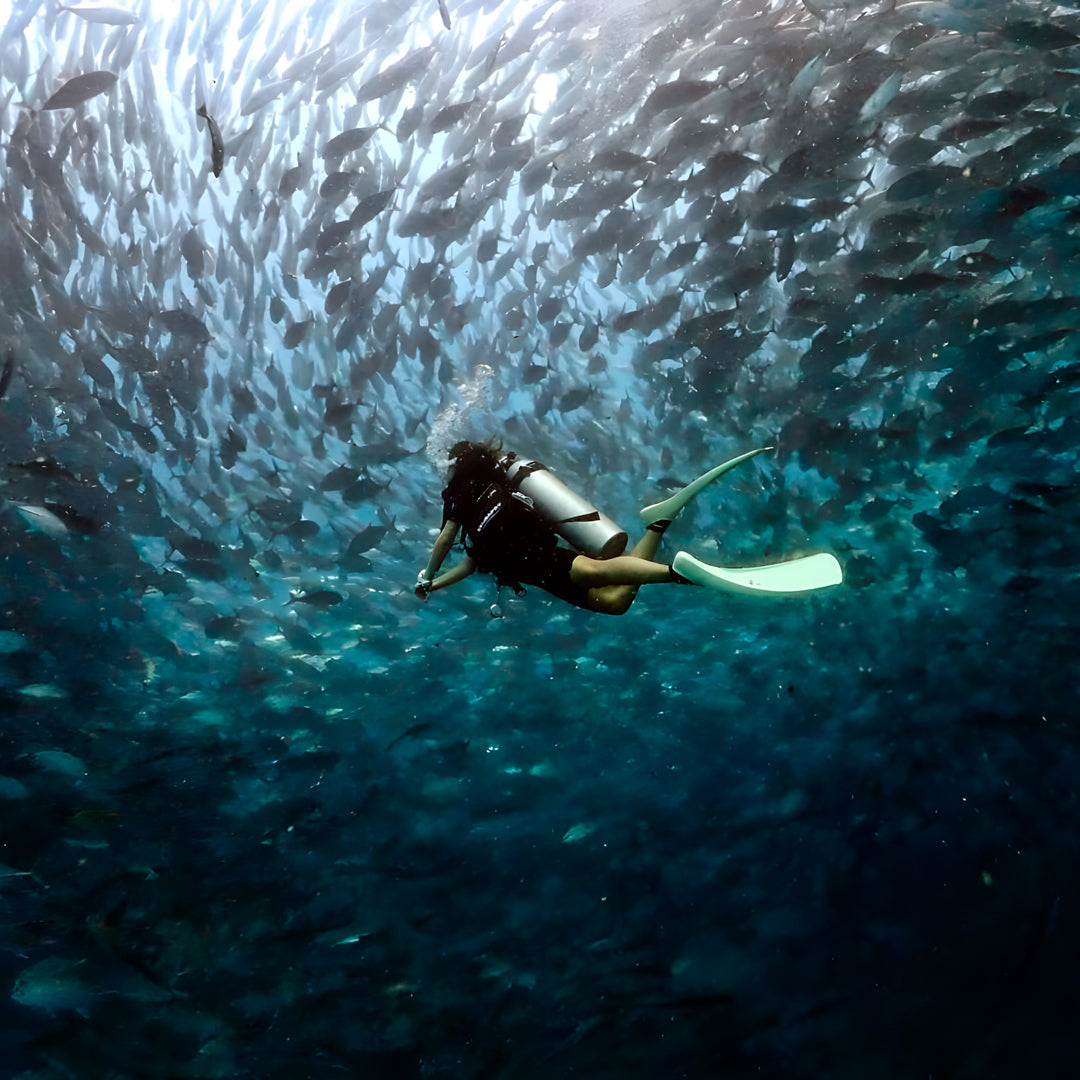
Thailand has long been one of the world's most popular destinations for learning to scuba dive, attracting thousands of new divers every year. Warm tropical water, affordable courses, experienced instructors, and a wide variety of shallow reef sites make it an excellent place to take your first breaths underwater.
Whether you're planning a Discover Scuba Diving experience or earning your Open Water certification, Thailand offers dive destinations suited to different travel styles and experience levels. The Gulf of Thailand is known for calm conditions and beginner-friendly training sites, while the Andaman Coast features spectacular coral reefs, granite formations, and diverse marine life.

Choosing the right destination is about more than finding the cheapest course. Water conditions, visibility, currents, travel logistics, instructor experience, and the type of diving available all influence how comfortable and enjoyable your first dives will be.
This guide covers the best places to scuba dive in Thailand for beginners, including diving conditions, marine life, typical costs, and practical planning advice to help you choose the destination that best matches your goals.
Why Thailand Is One of the Best Places to Learn Scuba Diving
Thailand combines ideal environmental conditions with a mature diving industry, making it one of the easiest places in Asia to begin diving.
Some of the biggest advantages include:
- Warm water throughout the year, typically 27–30°C, reducing the need for thick exposure protection.
- Beginner dive sites with depths of 5–18 metres, allowing students to develop skills gradually.
- Visibility generally ranges from 10–30 metres, depending on the destination and season.
- Hundreds of experienced PADI and SSI instructors teaching in multiple languages.
- Competitive course pricing compared with many other international dive destinations.
- A wide variety of marine life, including colourful reef fish, turtles, stingrays, moray eels, and healthy coral gardens.
Thailand also offers flexibility for travellers. You can complete a certification course over several days, join a one-day Discover Scuba Diving programme, or continue diving after certification without travelling far from your training location.
What Makes a Good Beginner Dive Destination?
Not every dive site is suitable for someone diving for the first time. Beginners should prioritise destinations that provide predictable conditions and professional instruction rather than chasing famous advanced dive sites.
When comparing locations, consider:
- Calm water with light or minimal currents
- Shallow training areas between 5 and 18 metres
- Consistent visibility
- Easy access by boat or from shore
- Small student-to-instructor ratios
- Well-maintained rental equipment
- Experienced instructors familiar with first-time divers
- Nearby accommodation and convenient transport
A relaxed learning environment allows new divers to concentrate on buoyancy, breathing, and underwater communication while enjoying the experience safely.

1. Koh Tao – Thailand's Best Destination for Beginner Divers
For many divers, Koh Tao is the first place that comes to mind when learning to scuba dive and for good reason. The island has built an international reputation for high-quality diver training, offering numerous professional dive centres, experienced multilingual instructors, and sheltered dive sites that are well suited to beginners.
The island's relatively calm conditions, affordable courses, and abundance of shallow reefs allow students to gain confidence without feeling overwhelmed. Many divers who complete their Open Water certification on Koh Tao return later to continue with Advanced Open Water and specialty courses.
Diving Conditions
- Water temperature: 28–30°C
- Visibility: 10–25 metres
- Typical currents: Usually light
- Training depth: 5–18 metres
- Difficulty: Excellent for first-time divers and Open Water students
While conditions vary throughout the year, Koh Tao generally offers reliable diving for beginners during much of the diving season.
Best Beginner Dive Sites
Japanese Gardens
Located near Koh Nang Yuan, Japanese Gardens is one of Koh Tao's most popular training sites. Its shallow depth, sandy bottom, and healthy coral formations create a relaxed environment for practising buoyancy and underwater skills.
Twins
Twins is another favourite for Open Water courses. The site features scattered coral bommies, excellent visibility on many days, and plenty of marine life without challenging currents.
Aow Leuk
Aow Leuk combines a gently sloping reef with sheltered conditions, making it suitable for beginner divers while still offering plenty to see beneath the surface.
Mango Bay
Mango Bay is often chosen for introductory dives because of its calm water, sandy entry points, and diverse reef fish.
Marine Life
Beginners diving around Koh Tao commonly encounter:
- Butterflyfish
- Clownfish
- Parrotfish
- Triggerfish
- Blue-spotted stingrays
- Sea turtles
- Moray eels
- Schools of fusiliers and snapper
Whale sharks occasionally visit Koh Tao, particularly during seasonal migrations, but sightings are unpredictable and should always be considered a bonus rather than an expectation.
Typical Costs
|
Activity |
Typical Price |
|
Discover Scuba Diving |
USD $73–77 / AUD $104–110 |
|
Open Water Course |
USD $338–365 / AUD $480–520 |
|
Fun Dive (Certified Divers) |
USD $22–34 per dive / AUD $32–48 per dive |
Prices vary between dive centres depending on group size, equipment included, accommodation packages, and seasonal promotions. Always confirm what is included before booking, particularly certification fees, equipment hire, and boat transfers.
Who Should Choose Koh Tao?
Koh Tao is the strongest choice for:
- First-time scuba divers
- Open Water certification students
- Travellers looking for excellent value
- Divers wanting multiple training sites close together
- Anyone planning to continue diving after certification
Its combination of professional instruction, beginner-friendly conditions, and competitive pricing makes Koh Tao one of the best places in the world to learn scuba diving.

2. Phuket – Best for Holidaymakers Combining Diving and Beach Resorts
Phuket is Thailand's largest island and one of the country's most convenient diving destinations. Unlike Koh Tao, where many visitors travel specifically to learn scuba diving, Phuket appeals to travellers who want to combine diving with luxury resorts, island hopping, beaches, and nightlife.
For beginners, Phuket offers access to several sheltered reefs with professional dive operators running daily trips. Although many dives are boat-based, the journey is usually straightforward, and instructors are experienced in working with first-time divers.
Diving Conditions
- Water temperature: 27–30°C
- Visibility: 15–25 metres
- Typical currents: Mild at beginner sites
- Training depth: 6–18 metres
- Difficulty: Suitable for Discover Scuba Diving and Open Water students
Most beginner dive trips depart from Chalong Pier and reach nearby dive sites within 30 minutes to 1.5 hours, depending on the location.
Best Beginner Dive Sites
Racha Yai
Racha Yai is widely considered Phuket's best beginner dive site. The island's sheltered bays feature sandy bottoms, gradual depth changes, and excellent visibility for much of the diving season. Calm conditions make it ideal for Discover Scuba Diving experiences and Open Water training dives.
Coral Island (Koh Hae)
Located close to Phuket, Coral Island offers shallow reefs and short boat rides, making it a practical choice for first-time divers with limited holiday time.
Kata Reef
During suitable sea conditions, Kata Reef provides an easy shore dive where beginners can practise buoyancy while exploring coral patches and reef fish close to the beach.
Marine Life
Divers around Phuket commonly encounter:
- Angelfish
- Butterflyfish
- Moray eels
- Lionfish
- Blue-spotted stingrays
- Barracudas
- Sea turtles
- Octopus
Larger pelagic species occasionally visit offshore sites, but beginner dives typically focus on healthy coral reefs and resident reef life.
Typical Costs
|
Activity |
Typical Price |
|
Discover Scuba Diving |
USD $105–140 / AUD $160–215 |
|
Open Water Course |
USD $365–450 / AUD $560–690 |
|
Two Fun Dives |
USD $70–105 / AUD $105–160 |
Most packages include tanks, weights, boat transfers, and lunch, while some dive centres charge separately for equipment rental. Always check exactly what is included before booking.
Who Should Choose Phuket?
Phuket is an excellent choice for:
-
Families combining diving with a beach holiday
-
Couples looking for resort accommodation
-
Travellers with limited time
-
Beginners wanting comfortable day trips rather than staying on a dedicated dive island
3. Krabi – Relaxed Diving with Beautiful Coastal Scenery
Krabi offers a slower pace than Phuket while providing access to several beginner-friendly dive sites. Towering limestone cliffs, quiet beaches, and smaller crowds make it particularly appealing for travellers looking for a more relaxed diving holiday.
Most dive operators are based in Ao Nang, with day boats visiting nearby reefs and islands suitable for both introductory dives and Open Water training.
Diving Conditions
- Water temperature: 28–30°C
- Visibility: 10–20 metres
- Typical currents: Generally gentle
- Training depth: 6–18 metres
- Difficulty: Beginner-friendly
Boat journeys usually range from 30 minutes to just over an hour, depending on the dive site.
Best Beginner Dive Sites
Koh Haa
Although some areas of Koh Haa are better suited to experienced divers, several shallow lagoons and protected reef sections provide comfortable conditions for beginner dives during favourable weather.
Local Reefs Near Ao Nang
These accessible reefs are commonly used for Discover Scuba Diving programmes and skill development, offering calm water and abundant reef life.
Koh Yawasam
This site combines shallow coral gardens with deeper sections, allowing instructors to choose appropriate areas based on student experience and sea conditions.
Marine Life
Common sightings include:
- Seahorses
- Pipefish
- Nudibranchs
- Butterflyfish
- Barracudas
- Reef fish
- Soft corals
- Occasionally sea turtles
Macro enthusiasts often enjoy Krabi because many smaller marine species can be found around its reef systems.
Typical Costs
|
Activity |
Typical Price |
|
Discover Scuba Diving |
USD $95–130 / AUD $145–200 |
|
Open Water Course |
USD $350–430 / AUD $535–660 |
|
Two Fun Dives |
USD $75–105 / AUD $115–160 |
Many dive centres include equipment, lunch, refreshments, and hotel transfers within Ao Nang.
Who Should Choose Krabi?
Krabi is ideal for:
- Travellers looking for a quieter alternative to Phuket
- Couples and families
- Beginners wanting relaxed day trips
- Divers interested in combining diving with sightseeing and island excursions

4. Koh Phi Phi – Ideal After Completing Your Certification
Koh Phi Phi is famous for its dramatic limestone cliffs and crystal-clear water, but it offers a different experience from Koh Tao or Phuket. While beginners can complete introductory dives at sheltered reef sites, many of the area's best-known dive sites feature stronger currents and deeper profiles that are better suited to newly certified divers.
For this reason, Koh Phi Phi is often an excellent next step after completing an Open Water course elsewhere in Thailand.
Diving Conditions
-
Water temperature: 28–30°C
-
Visibility: 15–25 metres
-
Typical currents: Variable
-
Depth: Beginner sites available, with more challenging sites nearby
-
Difficulty: Best suited to newly certified divers
Popular Dive Sites
Bida Nok
One of Thailand's best-known dive sites, Bida Nok offers steep limestone walls, healthy coral growth, and abundant marine life. Conditions can vary, so instructors select suitable sections for less experienced divers.
Bida Nai
Located close to Bida Nok, this site is known for colourful reef fish, soft corals, and occasional shark sightings.
Palong Wall
Palong Wall is frequently visited for its coral-covered reef and the possibility of seeing blacktip reef sharks cruising the deeper sections.
Marine Life
Divers may encounter:
- Blacktip reef sharks
- Sea turtles
- Octopus
- Barracudas
- Schools of snapper
- Groupers
- Colourful reef fish
As with all wild marine encounters, sightings depend on season, weather, and natural conditions.
Typical Costs
|
Activity |
Typical Price |
|
Discover Scuba Diving |
USD $105–145 / AUD $160–220 |
|
Open Water Course |
USD $380–470 / AUD $580–720 |
|
Two Fun Dives |
USD $75–110 / AUD $115–170 |
Because Koh Phi Phi is an island destination, diving packages can be slightly more expensive than comparable courses on Koh Tao.
Who Should Choose Koh Phi Phi?
Koh Phi Phi is best suited for:
-
Newly certified divers
-
Travellers already visiting the Phi Phi Islands
-
Divers wanting scenic underwater landscapes alongside vibrant reef life
-
Those looking to gain experience before progressing to more advanced dive destinations

5. Similan Islands - A Future Goal for Beginner Divers
The Similan Islands National Park is widely regarded as one of Thailand's premier diving destinations. Crystal-clear water, impressive granite boulders, vibrant coral reefs, and the chance to encounter larger pelagic species attract divers from around the world.
However, the Similan Islands are generally not the best place to learn scuba diving. Most dive trips involve longer boat journeys from Khao Lak or liveaboard expeditions, and several sites experience moderate currents and deeper dive profiles. While a few sheltered locations may be suitable for newly certified divers, the Similans are best enjoyed after gaining confidence and experience at destinations such as Koh Tao, Phuket, or Krabi.
Diving Conditions
- Water temperature: 27–29°C
- Visibility: 20–35 metres
- Typical currents: Light to moderate, depending on the site
- Depth: Many sites begin around 12–18 metres and continue much deeper
- Difficulty: Best suited to certified divers
The marine park is typically open from mid-October to mid-May and closes during the southwest monsoon to protect the marine ecosystem and ensure visitor safety.
Marine Life
Divers may encounter:
- Sea turtles
- Reef sharks
- Napoleon wrasse
- Giant trevally
- Barracudas
- Manta rays (seasonal)
- Large schools of fusiliers and snapper
- Healthy hard and soft corals
Although manta rays are one of the park's highlights, sightings are seasonal and cannot be guaranteed.
Typical Costs
|
Activity |
Typical Price |
|
Two Fun Dives (Day Trip) |
USD $130–180 / AUD $200–275 |
|
Full-Day Dive Trip |
USD $150–220 / AUD $230–335 |
|
Liveaboard Trips (2-4 Days) |
USD $550–1,200+ / AUD $840–1,835+ |
Marine park entry fees are generally charged separately from dive packages, so always confirm what is included before booking.
Who Should Choose the Similan Islands?
The Similan Islands are best for:
- Newly certified divers with some post-certification experience
- Advanced recreational divers
- Underwater photographers
- Divers looking to experience Thailand's most famous offshore reefs
If you're learning to dive for the first time, you'll have a more relaxed experience at Koh Tao, Phuket, or Krabi before planning a Similan trip.
Thailand Scuba Diving Cost Comparison
The table below provides a general guide to beginner diving costs across Thailand. Prices vary depending on the dive centre, season, group size, and package inclusions.
|
Activity |
Typical Price (USD) |
Typical Price (AUD) |
|
Discover Scuba Diving |
$73–145 |
$104–220 |
|
Open Water Certification |
$338–470 |
$480–720 |
|
Fun Dive (per dive) |
$22–55 |
$32–85 |
|
Two Fun Dives |
$70–110 |
$105–170 |
Many operators include tanks, weights, and standard scuba equipment in the advertised price. Some packages also include hotel transfers, lunch, refreshments, or digital learning materials. Before booking, confirm whether certification fees, equipment hire, marine park fees, and boat transfers are included.
Best Time to Scuba Dive in Thailand
Thailand offers year-round diving, but the best conditions depend on which coast you visit.
Gulf of Thailand
Best months: February to September
Primary destinations include:
- Koh Tao
- Koh Samui
- Koh Phangan
These months generally bring calmer seas, good underwater visibility, and favourable conditions for training courses and beginner dives.
Andaman Coast
Best months: November to April
Key destinations include:
- Phuket
- Krabi
- Koh Phi Phi
- Similan Islands
Visibility is often at its best during this period, making it an excellent season for reef diving and boat trips.
Outside these periods, diving is still available in many areas, but visibility, wave height, and currents can vary depending on local weather conditions.
Essential Safety Tips for Beginner Divers
Learning to dive is exciting, but choosing a professional operator and following safe diving practices will make your experience far more enjoyable.
Before booking your first dive:
- Choose a reputable PADI or SSI dive centre.
- Ask about the instructor-to-student ratio.
- Ensure rental equipment is well maintained and properly fitted.
- Complete the medical questionnaire honestly before diving.
- Listen carefully during the dive briefing and practise skills at your own pace.
- Never touch coral, turtles, or other marine life.
- Maintain good buoyancy to protect fragile reef ecosystems.
- Avoid flying for 18-24 hours after your final dive, depending on your dive profile.
If you feel uncomfortable underwater at any stage, signal your instructor immediately. A good instructor will adapt the dive to your comfort level rather than rushing the experience.
What Marine Life Can Beginners Expect?
One of the biggest attractions of scuba diving in Thailand is the diversity of marine life found on even the easiest dive sites.
During beginner dives, you're likely to see:
- Clownfish
- Butterflyfish
- Angelfish
- Parrotfish
- Triggerfish
- Blue-spotted stingrays
- Moray eels
- Sea turtles
- Barracudas
- Colourful hard and soft corals
Larger animals such as whale sharks, manta rays, and reef sharks are present in Thailand but are encountered less frequently and should never be expected on introductory dives. Every dive is different, making each underwater experience unique.
Which Beginner Dive Destination Is Right for You?
Each destination in Thailand offers a different experience, so the best choice depends on your goals, travel style, and confidence level in the water.
Choose Koh Tao if you:
- Want the best value for money
- Plan to complete your Open Water certification
- Are travelling primarily to dive
- Prefer a wide choice of dive schools and training sites
- Want to continue with Advanced Open Water or specialty courses after certification
Koh Tao remains Thailand's leading destination for first-time divers thanks to its combination of professional instruction, sheltered dive sites, and competitive pricing.
Choose Phuket if you:
- Want to combine scuba diving with a beach holiday
- Prefer staying in a full-service resort
- Have limited time and want convenient day trips
- Are travelling with family or non-divers
Phuket is ideal for holidaymakers who want excellent beginner diving without making scuba diving the sole focus of their trip.
Choose Krabi if you:
- Prefer a quieter atmosphere than Phuket
- Enjoy dramatic coastal scenery and island excursions
- Want relaxed day trips to nearby reefs
- Appreciate smaller crowds
Krabi offers an excellent balance between quality diving and a laid-back travel experience.
Choose Koh Phi Phi if you:
- Have recently earned your Open Water certification
- Want to gain more experience before tackling advanced dive sites
- Enjoy scenic limestone islands and vibrant marine life
- Plan to combine diving with island-hopping
Although introductory dives are available, Koh Phi Phi is most rewarding once you've completed your certification.
Choose the Similan Islands if you:
- Already hold a scuba certification
- Have some post-certification diving experience
- Want exceptional visibility and offshore reef diving
- Are interested in liveaboard trips or full-day dive excursions
The Similan Islands are best viewed as a destination to work towards after building confidence at Thailand's more beginner-friendly locations.

Final Thoughts
Thailand offers some of the best beginner scuba diving anywhere in the world. Warm tropical water, experienced instructors, accessible reef systems, and affordable courses create an ideal environment for learning safely while exploring one of Asia's richest marine ecosystems.
For most first-time divers, Koh Tao remains the standout destination thanks to its sheltered dive sites, extensive training facilities, and excellent value. Phuket is a great option for travellers combining diving with a traditional beach holiday, while Krabi provides a quieter alternative with beautiful coastal scenery. Once you've gained confidence underwater, Koh Phi Phi and the Similan Islands offer exciting opportunities to expand your diving experience.
Whichever destination you choose, take time to research reputable dive centres, understand seasonal conditions, and book a course that matches your experience level. Learning to dive is more than earning a certification it's the beginning of a lifelong adventure beneath the surface.
Frequently Asked Questions
1. What is the best place to scuba dive in Thailand for beginners?
Koh Tao is widely regarded as Thailand's best destination for beginner divers. It offers calm dive sites, experienced instructors, competitive pricing, and numerous PADI and SSI dive centres, making it ideal for both Discover Scuba Diving experiences and Open Water certification.
2. How much does beginner scuba diving cost in Thailand?
Prices vary by destination and dive centre, but most beginners can expect to pay:
- Discover Scuba Diving: USD $73–145 / AUD $104–220
- Open Water Course: USD $338–470 / AUD $480–720
- Fun Dive (Certified Divers): USD $22–55 per dive / AUD $32–85 per dive
Equipment is often included, but always confirm whether certification fees, boat transfers, and marine park fees are part of the advertised price.
3. Is Thailand a good place to get Open Water certified?
Yes. Thailand is one of the world's most popular destinations for Open Water certification because it combines warm water, beginner-friendly dive sites, experienced instructors, and competitive course prices.
4. Which coast is better for beginner scuba diving?
Both regions offer excellent beginner diving, but conditions vary seasonally. The Gulf of Thailand (including Koh Tao) is generally best from February to September, while the Andaman Coast (Phuket, Krabi, Koh Phi Phi, and the Similan Islands) typically offers the best conditions from November to April.
5. Can complete beginners see sea turtles in Thailand?
Yes. Sea turtles are regularly seen at several beginner-friendly dive sites, particularly around Koh Tao, Phuket, and Koh Phi Phi. However, all marine life sightings depend on natural conditions and can never be guaranteed.
6. Do I need to know how to swim before trying scuba diving?
Most dive centres require participants to be comfortable in the water, and Open Water certification includes a basic swim assessment and floating test. Requirements may vary for introductory Discover Scuba Diving programmes, so check with your chosen dive centre before booking.
7. What is the minimum age to learn scuba diving in Thailand?
Most training agencies allow children to begin scuba diving from 10 years old through junior certification programmes, provided they meet the medical and training requirements.
8. Should I book my scuba diving course before arriving in Thailand?
Booking in advance is recommended during the peak diving season, especially in destinations such as Koh Tao and Phuket. Reserving your course early gives you a wider choice of instructors, preferred dates, and accommodation packages if they're offered by the dive centre.


