

Dive Tips
Your one-stop splash zone for dive tips, epic travel inspo, wild stories & gear breakdowns from the community that lives underwater more than on land.
Articles

Red Sea Wonders: Exploring the Vibrant World Beneath
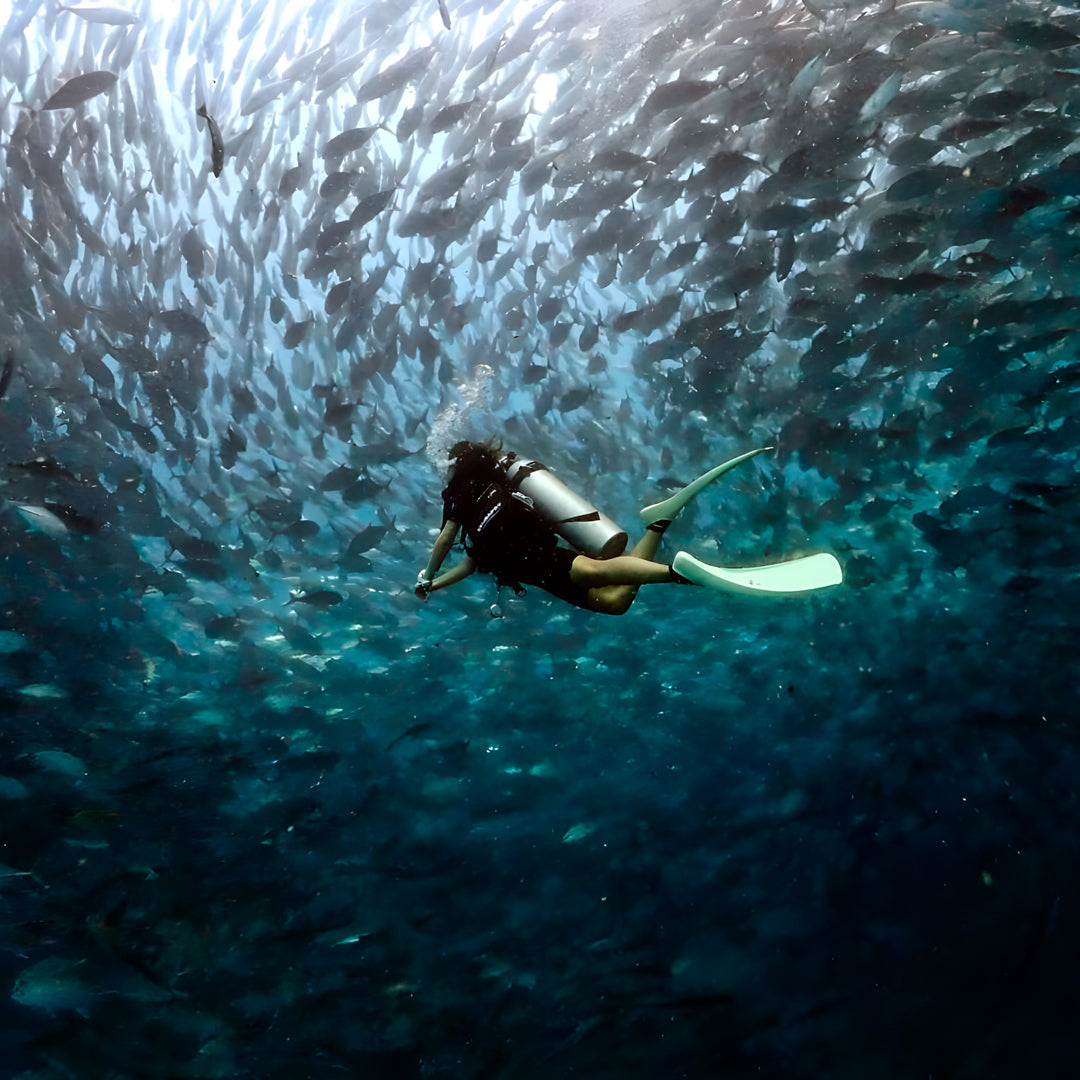
The Red Sea is one of the world's most distinctive diving regions, combining clear tropical water, extensive coral reefs, dramatic drop-offs and historically significant wrecks. For divers planning their next underwater adventure, scuba diving Red Sea offers an opportunity to explore a wide range of environments within a relatively compact region. From the reefs of Sharm El Sheikh and Hurghada to the more remote sites of the southern Red Sea, diving here can range from relaxed reef exploration to demanding current dives and deep wreck experiences. What makes the region particularly appealing is its combination of accessibility and underwater variety. Why the Red Sea Is Special for Divers The Red Sea is connected to the Indian Ocean through the Gulf of Aden, but its semi-enclosed geography has created distinctive marine conditions. Warm water, strong sunlight and relatively limited freshwater input contribute to environments where coral reefs can flourish. For divers, this translates into underwater landscapes filled with hard and soft corals, reef fish, walls, pinnacles and sandy areas. However, conditions are not identical across the entire Red Sea. Water temperature, visibility, currents and marine life vary according to location and season. Choosing the right region is therefore an important part of planning a diving trip. What to Expect When Scuba Diving Red Sea One of the biggest advantages of scuba diving Red Sea is the variety of dive sites. Shallow reefs can provide accessible diving for newer recreational divers, while experienced divers can explore walls, stronger currents and deeper wrecks. Visibility is often excellent, but it should never be treated as guaranteed. Wind, plankton, currents and local conditions can affect what divers experience on a particular day. Water temperature also changes through the year. Northern Red Sea sites can become noticeably cooler during winter, while summer brings warmer conditions. A suitable exposure protection choice should therefore be based on the destination and season rather than a single Red Sea-wide temperature assumption. Sharm El Sheikh and Ras Mohammed The Sharm El Sheikh area is one of the best-known diving bases in the Egyptian Red Sea. Its location provides access to sites around the Sinai Peninsula, including Ras Mohammed National Park and the Strait of Tiran. Ras Mohammed is particularly known for steep reef walls and strong marine biodiversity. The reef environment can change dramatically over short distances. Divers may encounter coral-covered slopes, vertical walls, currents and open-water sections where larger fish pass through. Because currents can be significant at some sites, divers should follow local guide briefings and assess their own experience before entering the water. Hurghada and the Northern Red Sea Hurghada is another major gateway for Red Sea diving, with a large selection of day-boat and liveaboard operations. The surrounding area includes coral reefs, pinnacles and wreck sites. Its accessibility makes it a practical choice for divers who want to combine a diving holiday with land-based accommodation. Nearby destinations such as Giftun Islands can provide reef diving with a range of depths and conditions. Hurghada can also work well for divers travelling with different experience levels because operators offer everything from introductory experiences to advanced recreational dives. Dahab and Shore Diving Dahab offers a different style of Red Sea diving. Rather than relying entirely on daily boat trips, many famous sites in the area can be accessed from shore. The Blue Hole is perhaps the best-known site, although its reputation also comes with significant safety considerations. The Blue Hole should not be treated as a casual attraction for inexperienced divers. The deeper sections and technical diving routes require appropriate training, experience and equipment. For recreational divers, Dahab has many other sites that can provide rewarding diving without attempting an unnecessarily demanding profile. Exploring Red Sea Wrecks Wreck diving is another major reason divers choose Egypt. The SS Thistlegorm is perhaps the region's most famous wreck. The World War II-era British merchant ship sank in 1941 in the northern Red Sea and now attracts experienced recreational and technical divers. The wreck contains significant historical features and remains an important underwater heritage site. Other wrecks offer different experiences, from large structures suitable for exploration to shallower sites where marine life has colonised the remains. Wreck diving requires more than simply swimming around a sunken vessel. Divers should understand depth, penetration limitations, overhead environments and their own certification. Entering a wreck should only be undertaken with appropriate training and equipment. Marine Life Beneath the Surface The Red Sea is home to a diverse range of marine species. Depending on the location and season, divers can encounter reef fish, moray eels, turtles, rays, groupers and reef sharks. Larger pelagic species may also appear at particular sites, especially where currents bring nutrient-rich water. One of the pleasures of Red Sea diving is that marine life is not limited to large animals. Small reef fish, nudibranchs, crustaceans and colourful coral communities can make relatively shallow dives just as interesting as deeper ones. Divers should approach wildlife carefully and avoid touching corals or marine animals. Good buoyancy control is particularly important around fragile reef structures. Currents, Depth and Diving Experience The Red Sea has dive sites suitable for a broad range of recreational divers, but it is important not to assume that every famous site is beginner-friendly. Current strength can vary significantly between sites and tides. Some walls and channels are deliberately chosen for drift diving, while other sites offer calmer conditions. Depth is another consideration. Certain wrecks and wall dives quickly move beyond the depth range appropriate for newer divers. Before booking, check: Minimum certification requirements Recommended logged dives Typical maximum depth Current conditions Entry and exit requirements Water temperature Visibility Whether the site is suitable for your experience level This information helps ensure that the itinerary matches your actual diving ability. When Is the Best Time to Dive the Red Sea? There is no single month that is perfect for every Red Sea diver. The northern Red Sea generally has cooler water during winter and warmer conditions through summer. Spring and autumn can provide a useful balance between air and water temperatures, while summer can bring very warm surface conditions. Marine-life encounters are also influenced by location and season, so divers interested in a particular species should research the specific destination rather than relying on a general “Red Sea season.” Liveaboard routes can also operate differently throughout the year, with some itineraries focusing on particular regions during suitable seasonal windows. Day Boat or Liveaboard? Your choice of diving base can substantially change the experience. Day boats are convenient for divers staying in resorts and can provide access to numerous sites without committing to several days offshore. Liveaboards are better suited to divers who want to cover a larger geographical area and maximise their time underwater. Multi-day itineraries can reach remote reefs and wrecks that are impractical as day trips. For experienced divers, southern Red Sea liveaboards can provide access to less-visited sites and more challenging diving conditions. These trips may involve stronger currents and more demanding profiles, so operators' experience requirements should be checked carefully. Practical Tips for Planning Your Trip A successful Red Sea diving holiday starts before you arrive. Choose your base according to the sites you want to dive rather than simply selecting the most popular resort. Check the seasonal water temperature and bring exposure protection accordingly. Make sure your certification and logged experience meet the requirements of your chosen itinerary. If you plan to dive wrecks, walls or strong-current sites, be realistic about your skills. Travel insurance that covers scuba diving is also worth considering, particularly for trips involving remote locations or liveaboards. Finally, allow enough time between your final dive and flying. Divers should follow recognised recommendations for pre-flight surface intervals after repetitive diving, and their dive operator or medical guidance should take priority where additional precautions are needed. A Deeper Look at the Red Sea The appeal of scuba diving Red Sea lies in its depth and variety not simply the colour of its reefs. One dive may take you along a coral wall with schools of reef fish. Another may introduce you to a historic wreck. A third may involve drifting through a current while watching the blue water for larger marine life. That variety makes the Red Sea particularly rewarding for divers who want their holiday to develop with every dive. Whether you choose a shore-based trip in Dahab, a resort and day-boat holiday in Hurghada or Sharm El Sheikh, or a multi-day liveaboard through more remote waters, the key is to match the destination and itinerary to your experience. The Red Sea rewards careful planning. Understand the conditions, respect the marine environment and choose dives that suit your certification and experience. Do that, and the underwater world here can provide some of the most memorable diving in the region. FAQs Is scuba diving Red Sea suitable for beginners?Yes. Many Red Sea sites are suitable for beginners, but some wrecks, walls and current-heavy sites require greater experience. What marine life can I see in the Red Sea?Divers may encounter reef fish, turtles, rays, moray eels, groupers and sharks, depending on the site and season. Is the Red Sea good for wreck diving?Yes. The region has several notable wrecks, including the SS Thistlegorm, although individual wrecks have different depth and experience requirements. Can I dive the Red Sea from shore?Yes. Destinations such as Dahab offer extensive shore-diving opportunities, while Hurghada and Sharm El Sheikh have both shore and boat-based options. Is a liveaboard necessary for Red Sea diving?No. Day boats provide access to many excellent sites. A liveaboard becomes particularly useful when you want to reach remote areas or cover a larger diving region.
Learn more


Top Trending Dives


Type: Freediving
Freediving Fiji Trip
5 Days • Kuata, Fiji
Available: 24 - 28 May 2027
Regular price
From $1,778.00 AUD
Sale price
From $1,778.00 AUD
Regular price
$1,778.00 AUD


Type: Freediving
Amed Bali Freediving Trip
6 Days • Amed, Bali, Indonesia
Available: Annually
Regular price
$1,204.00 AUD
Sale price
$1,204.00 AUD
Regular price
$1,304.00 AUD


Type: Freediving
Freediving Liveaboard Maldives
8 Days • Malé, Maldives
Available: Weekly
Regular price
From $4,226.00 AUD
Sale price
From $4,226.00 AUD
Regular price
$4,226.00 AUD


Type: Scuba Diving
Discover Scuba Diving in Tulamben
1 Days • Tulamben, Bali, Indonesia
Available: Daily
Regular price
From $209.00 AUD
Sale price
From $209.00 AUD
Regular price
$209.00 AUD


Type: Scuba Diving
Volivoli Fiji Scuba Diving Getaway Trip
7 Days • Rakiraki, Fiji
Available: 16 - 22 August 2026
Regular price
$3,973.00 AUD
Sale price
$3,973.00 AUD
Regular price
$3,973.00 AUD


Type: Freediving
Maldives Freediving Liveaboard
8 Days • Malé, Maldives
Available: 23 - 30 August 2026
Regular price
$4,024.00 AUD
Sale price
$4,024.00 AUD
Regular price
$4,024.00 AUD


Type: Scuba Diving
Discover Scuba Diving in Nusa Penida
1 Days • Nusa Penida, Bali, Indonesia
Available: Daily
Regular price
From $304.00 AUD
Sale price
From $304.00 AUD
Regular price
$338.00 AUD


Type: Scuba Diving
Komodo Highlights Liveaboard
5 Days • Komodo Islands, Indonesia
Available: 07 - 11 October 2026
Regular price
From $3,377.00 AUD
Sale price
From $3,377.00 AUD
Regular price
$3,377.00 AUD

