

Introduction
The Philippines is one of the top scuba diving destinations in the world! If you're looking for world-class scuba diving, the Philippines should be near the top of your list. Sitting at the heart of the Coral Triangle; the global centre of marine biodiversity, this archipelago of over 7,600 islands packs an extraordinary range of dive experiences into one destination. Think pristine coral gardens, dramatic walls, WWII shipwrecks, and some of the richest marine life on the planet.
Whether you're brand new to diving or have hundreds of dives under your wetsuit, the Philippines delivers. Warm waters, affordable prices, and incredible variety make it one of those rare destinations that genuinely works for everyone.
Why Dive the Philippines?
A few things set the Philippines apart from other top dive destinations:
- Water temperatures average 26–30°C year-round; no wetsuit required
- Exceptional marine biodiversity, from huge pelagics to tiny macro critters
- Dive sites to suit all experience levels, from shallow reefs to deep walls
- Some of the most affordable diving and certification courses in the world
- A thriving wreck diving scene alongside world-class reef diving
- A reputation as one of the best destinations on Earth for underwater macro photograph
Simply put, it's hard to come away disappointed.
Best Dive Sites in the Philippines
Tubbataha Reefs Natural Park: Best for Advanced Divers
Widely regarded as the crown jewel of Philippine diving, Tubbataha is a UNESCO World Heritage Site in the remote Sulu Sea. Its pristine reefs, exceptional visibility, and regular encounters with sharks, manta rays, and large pelagics make it genuinely special. The catch? It's liveaboard-only and only open from mid-March to mid-June. So, planning ahead is essential.
Best for: Advanced divers and liveaboard enthusiasts
Apo Island: Best for Turtle Encounters
Apo Island is one of Southeast Asia's most celebrated marine conservation success stories. The local community-managed reserve has resulted in thriving, healthy reefs and an almost guaranteed chance of swimming alongside sea turtles. Calm conditions and relatively shallow sites make it an excellent choice for newer divers too.
Best for: Beginners and intermediate divers, marine conservation lovers

Malapascua Island: Best for Thresher Sharks
Malapascua is the only place in the world where you can reliably dive with thresher sharks. These distinctive deep-water sharks visit a cleaning station called Monad Shoal in the early mornings, making for a genuinely bucket-list encounter. Factor in clear waters and a range of other dive sites nearby and you've got a compelling destination in its own right.
Best for: Intermediate divers, pelagic and shark enthusiasts
Coron, Palawan: Best for Wreck Diving
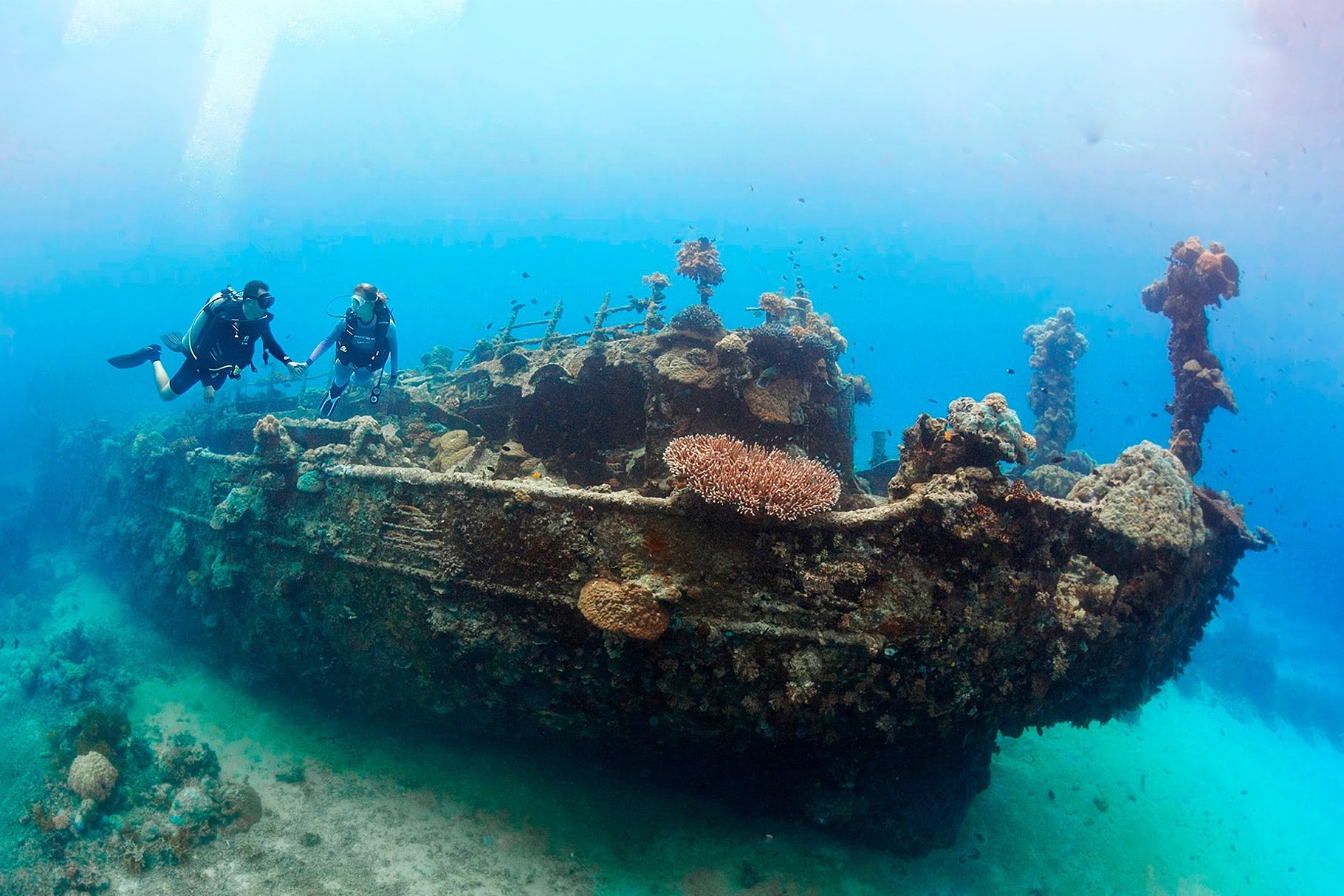
Coron is one of the finest wreck diving destinations in all of Asia. The area is home to a fleet of Japanese WWII supply ships sunk in a 1944 US air raid, now resting at recreational depths and beautifully encrusted with coral. The wrecks range from beginner-accessible to technically challenging, so there's something for divers at different levels.
Best for: Wreck diving enthusiasts, history lovers, intermediate to advanced divers
Puerto Galera, Mindoro: Best for Accessibility
Just a few hours from Manila, Puerto Galera punches well above its weight for a destination this easy to reach. Verde Island Passage, which runs through this area is considered one of the most biodiverse stretches of water on the planet. Dive centres are plentiful, conditions are consistent, and the range of sites is impressive.
Best for: All levels; ideal for those based in Manila or short on time
Anilao, Batangas: Best for Macro Photography
Anilao is the spiritual home of macro diving in the Philippines. The muck and reef diving here turns up rare and extraordinary small marine life; pygmy seahorses, frogfish, flamboyant cuttlefish, and nudibranchs galore. It's also a quick drive from Manila, making it a favourite weekend destination for dive-obsessed city dwellers.
Best for: Underwater photographers, macro diving enthusiasts
How to Book Philippines Scuba Diving Trips
Booking a dive trip is simple with our platform that allows you to compare locations, prices, and dive operators. Choose your destination, check inclusions, and confirm your booking securely online.
Philippines Scuba Diving Costs
One of the Philippines' biggest selling points is how affordable it is compared to other top dive destinations.
| Experience | Typical Price Range |
| Single fun dive | USD $30–$80 |
| Open Water certification | USD $300–$500 |
| Advanced Open Water course | USD $250–$400 |
| Liveaboard trips | USD $1,000–$2,000+ |
Note: Coron wreck dives often sit at the higher end of the fun dive range due to depth and additional equipment requirements. Prices also vary by location, season, and operator — liveaboard trips to Tubbataha will naturally sit above standard resort diving.
Best Time to Dive the Philippines
November to May is generally the sweet spot; calmer seas, better visibility, and more predictable conditions across most of the archipelago.
June to October is typhoon season. Many areas become less accessible, though some dive destinations on the eastern side of the country (Malapascua, Leyte) can still deliver excellent diving depending on conditions.
Tubbataha specifically is only open from mid-March to mid-June. If that's on your list, plan your trip accordingly and book early; liveaboard spots fill fast.
Practical Travel Tips
- Book ahead during peak season (December to April) Popular dive centres and liveaboards fill up quickly
- Match the site to your level: Tubbataha and some Coron wrecks require solid buoyancy control and prior experience
- Use reef-safe sunscreen: Standard practice across Philippine marine parks and conservation areas
- Check regional weather: The Philippines is a large archipelago and conditions vary significantly between the east and west coasts
- Sort your certification before you go: Most dive operators require a recognised certification (PADI, SSI, RAID, etc.) for independent diving; discovery dives are available for beginners

FAQ
Is the Philippines good for scuba diving? Absolutely; it consistently ranks among the world's top diving destinations. Between the biodiversity, the variety of sites, and the affordability, it's genuinely hard to beat.
What are the best dive sites in the Philippines? Tubbataha, Apo Island, Malapascua, Coron, Puerto Galera, and Anilao are all standout destinations, each with their own character and speciality.
Is the Philippines good for beginner divers? Yes. Apo Island, Puerto Galera, and many sites around Cebu offer calm, shallow conditions that are perfect for newer divers.
How much does diving cost? Fun dives start from around USD $30, with Open Water certifications from approximately USD $300. Liveaboard trips range considerably depending on the destination.
When is the best time to visit? November to May offers the best overall conditions. Tubbataha is only accessible between mid-March and mid-June.
Can I see sharks? Yes, thresher sharks at Malapascua, reef sharks at Tubbataha and throughout the archipelago, and occasional whale sharks in certain areas during the season.
Is wreck diving available? Coron is one of Asia's premier wreck diving destinations, with a collection of WWII Japanese wrecks at diveable depths.
Do I need certification? Certification is required for independent diving. Most operators offer beginner 'discover scuba' experiences that don't require prior certification, supervised by an instructor.
Ready to dive the Philippines? Browse Dive Bookings' Philippine dive trips, liveaboards, and courses and find the right adventure for your level.


