

Introduction to Mexico Scuba Diving
Mexico is one of the most diverse and exciting scuba diving destinations in the world. With access to both the Pacific Ocean and the Caribbean Sea, Mexico offers a wide range of underwater experiences, including coral reefs, drift dives, cave systems, and encounters with large marine life.
Mexico scuba diving is ideal for beginners, intermediate divers, and advanced divers because of its variety of dive environments. Whether you want to explore colorful reefs in Cozumel, dive through crystal-clear cenotes, or experience big marine life encounters, Mexico has something for everyone.
Why Choose Mexico for Scuba Diving
Mexico stands out as a global diving destination because of its unique mix of natural features and accessibility.
Key reasons to choose Mexico scuba diving:
- World-famous reef systems in Cozumel
- Unique cenote cave diving found nowhere else
- Excellent visibility, often exceeding 30 meters
- Warm water temperatures year-round
- Dive sites suitable for all experience levels
- Easy access from North America and international locations
Mexico also offers a combination of adventure diving and relaxed reef diving, making it a versatile destination.
Best Dive Sites in Mexico
Cozumel Diving
Cozumel is one of the most popular scuba diving destinations in the world. Located in the Caribbean Sea, it is part of the Mesoamerican Barrier Reef, the second-largest reef system globally.
What makes Cozumel diving special:
- Drift diving along coral walls and reefs
- Crystal-clear water with visibility up to 30–40 meters
- Abundant marine life including turtles, rays, and reef sharks
- Well-organized dive infrastructure
Cozumel is suitable for both beginners and experienced divers, although some drift dives may require basic experience.
Cenote Diving in Mexico
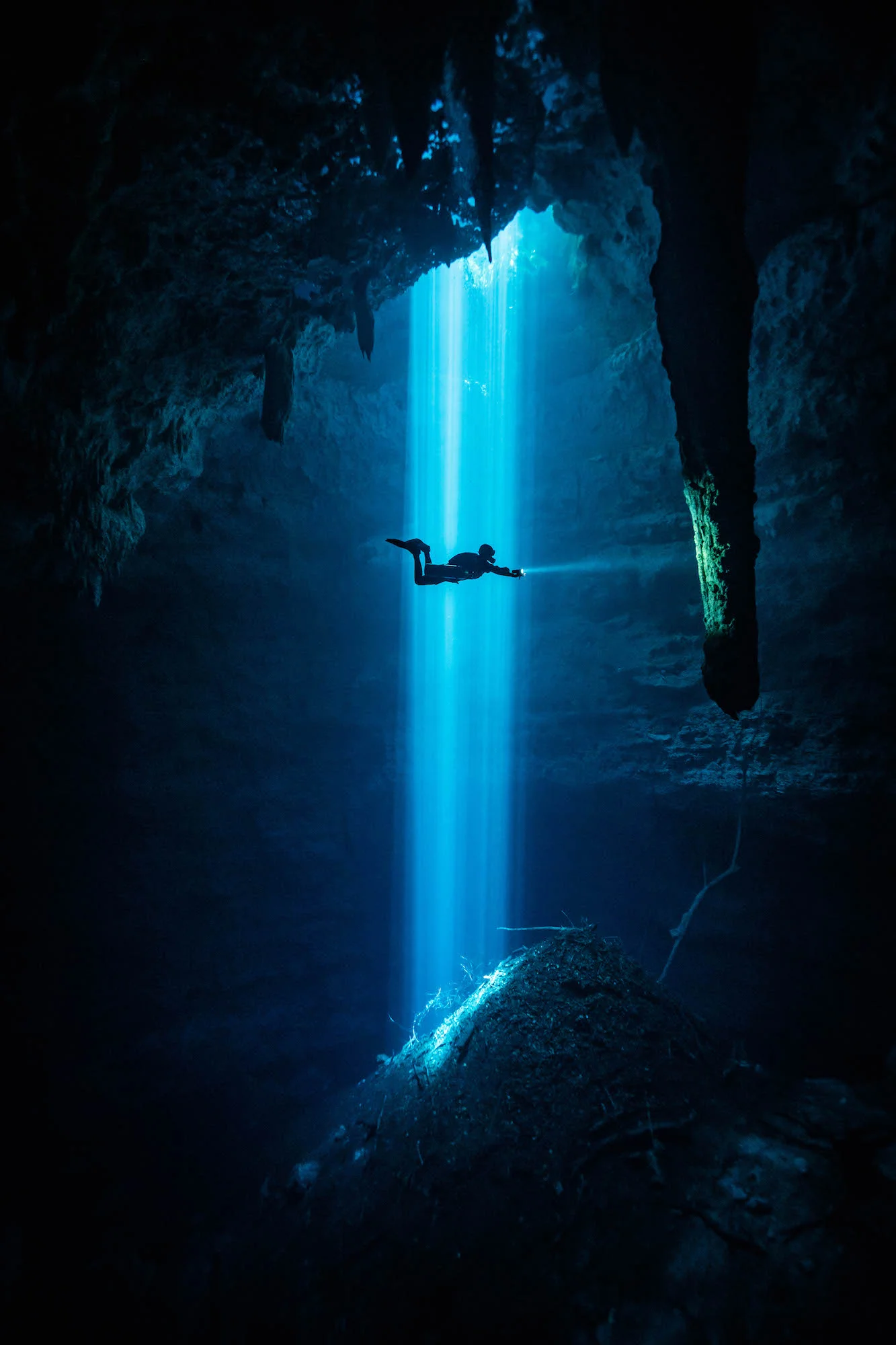
Cenotes are natural sinkholes filled with freshwater, found mainly in the Yucatán Peninsula. These offer one of the most unique diving experiences in the world.
Highlights of cenote diving:
- Crystal-clear water with incredible visibility
- Stunning rock formations such as stalactites and stalagmites
- Light beams creating dramatic underwater scenery
- Calm conditions with no currents
Cenote diving is generally recommended for certified divers, and advanced cave diving requires specialized training.

Playa del Carmen Diving
Playa del Carmen is known for its mix of reef diving and seasonal big animal encounters.
Key features:
- Bull shark diving (seasonal, typically November to March)
- Access to nearby cenotes
- Coral reefs with diverse marine life
This destination is ideal for intermediate and advanced divers looking for something more adventurous.
Cabo Pulmo National Park
Cabo Pulmo is a protected marine reserve located on the Pacific side of Mexico. It is known for its successful conservation efforts and thriving marine ecosystem.
Highlights:
- Large schools of fish
- Healthy coral reefs
- Eco-friendly diving environment
- Less crowded compared to other locations
Cabo Pulmo is perfect for divers interested in marine conservation and untouched dive sites.
Isla Holbox & Isla Mujeres: Best for Whale Shark Encounters
For one of the most breathtaking wildlife experiences in Mexico, head to the waters around Isla Holbox and Isla Mujeres on the Yucatán Peninsula. Every year between June and September, whale sharks gather here in large numbers to feed, making this one of the most reliable and accessible whale shark encounters in the world. This is snorkelling rather than scuba, operators keep groups small and follow strict guidelines to protect the animals, but it's an unmissable experience that deserves a place on any Mexico diving itinerary.
Best for: All levels, wildlife seekers, snorkellers
Socorro Islands (Advanced Diving)
The Socorro Islands are a remote group of islands located in the Pacific Ocean and are often referred to as the “Galápagos of Mexico.”
What to expect:
- Giant manta rays
- Dolphins and sharks
- Liveaboard-only diving
- Strong currents and advanced conditions
This destination is best suited for experienced divers seeking big animal encounters.
Marine Life in Mexico
Mexico scuba diving offers a wide range of marine species depending on the location and season.
Common sightings include:
- Sea turtles
- Eagle rays and stingrays
- Reef sharks
- Whale sharks (seasonal)
- Dolphins
- Large schools of tropical fish
Cozumel and Cabo Pulmo are especially known for their vibrant ecosystems, while Socorro is famous for large pelagic species.
Mexico Scuba Diving Cost
The cost of scuba diving in Mexico varies based on the location and type of dive.
Typical price ranges:
- Single dive: $50 to $120
- Two-tank dive: $80 to $150
- Open Water certification: $350 to $600
- Cenote dives: $100 to $200
- Liveaboard trips (Socorro): $3000 to $5000
Cozumel offers some of the best value for reef diving, while cenote and liveaboard experiences are more premium.
Best Time for Mexico Scuba Diving
Mexico offers year-round diving, but conditions vary by region.
- November to April: Best overall diving conditions with calm seas and excellent visibility
- May to September: Warmer waters and whale shark season
- October: Transition period with variable conditions
Cenotes can be dived year-round due to their stable conditions.
Travel Tips for Diving in Mexico
- Book popular dive sites like Cozumel in advance
- Check certification requirements for cenote diving
- Use reef-safe sunscreen to protect marine life
- Follow safety guidelines and dive briefings carefully
- Choose certified and reputable dive operators
How to Book Mexico Scuba Diving Trips Online
Ready to make it happen?! Booking Mexico scuba diving trips is simple when using our reliable platform. You can:
- Browse top destinations such as Cozumel and Playa del Carmen
- Compare dive packages and prices
- Check inclusions and reviews
- Secure your booking with safe online payment
Booking in advance is recommended, especially during peak travel seasons.
Who Should Dive in Mexico
Mexico is suitable for:
- Beginners looking for easy reef dives in Cozumel
- Intermediate divers exploring drift dives and marine life
- Advanced divers interested in cenotes and liveaboards
- Travelers seeking a mix of adventure and relaxation
FAQ – Mexico Scuba Diving
Is Mexico good for scuba diving?
Yes, Mexico is one of the best diving destinations in the world due to its variety of dive sites and marine life.
What is Cozumel diving known for?
Cozumel is known for drift diving, clear visibility, and vibrant coral reefs.
What are cenotes in Mexico?
Cenotes are natural freshwater sinkholes that offer unique cave diving experiences.
Is Mexico suitable for beginner divers?
Yes, Cozumel and many reef locations are beginner-friendly.
How much does scuba diving cost in Mexico?
Diving costs range from $50 to $120 per dive, depending on location.
Can beginners dive in cenotes?
Cenote diving usually requires certification, but some guided experiences are beginner-friendly.
When is the best time to dive in Mexico?
The best time is from November to April for optimal conditions.
Is liveaboard diving available in Mexico?
Yes, especially in destinations like the Socorro Islands.
Can I see sharks while diving in Mexico?
Yes, especially in Playa del Carmen and Socorro Islands.
Is Mexico good for advanced divers?
Yes, advanced divers can explore cenotes, drift dives, and remote liveaboard locations.
Final Thoughts
Mexico is one of the most complete scuba diving destinations in the world. From the coral reefs of Cozumel to the mysterious cenotes and remote Socorro Islands, it offers something for every type of diver.
Whether you are planning your first dive or looking for an advanced underwater adventure, Mexico scuba diving provides unforgettable experiences with excellent conditions and diverse marine life.


