

Consejos de buceo
Tu zona única de chapoteo para obtener consejos de buceo, inspiración de viajes épicos, historias salvajes y desgloses de equipos de la comunidad que vive bajo el agua más que en la tierra.
Artículos
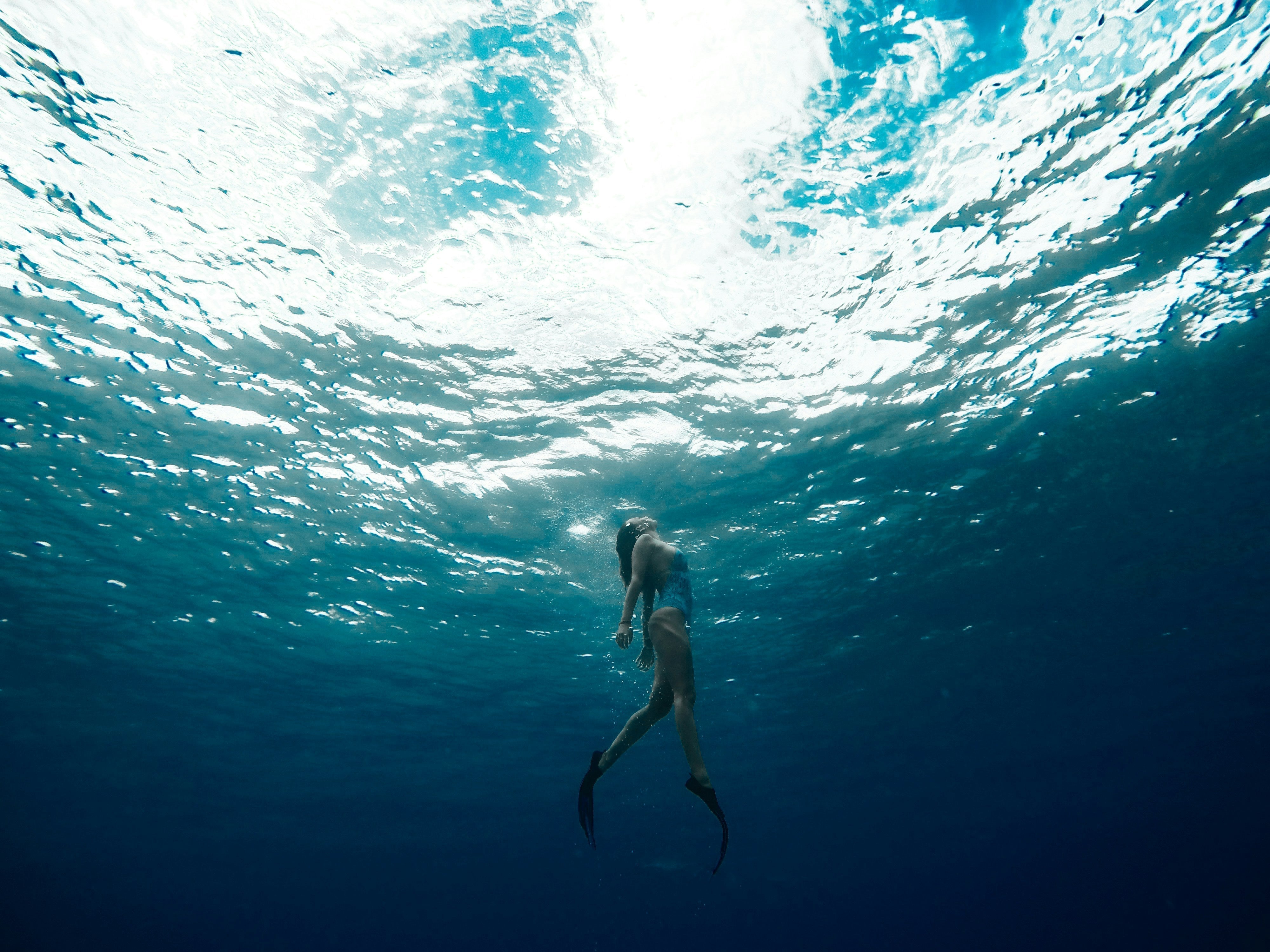

What Is Scuba Diving? A Beginner's Guide to Getting Started
For many people, scuba diving begins with a simple question: what's it actually like to breathe underwater? The answer is surprisingly straightforward. With proper training and equipment, scuba diving allows you to explore an environment that covers more than 70% of our planet. Coral reefs, shipwrecks, marine life, underwater cliffs, and even entire ecosystems become accessible in a way that's impossible from the surface. If you're considering your first dive or researching a scuba certification course, understanding how scuba diving works, what training involves, and what to expect can help you take the first step with confidence. What Is Scuba Diving? Scuba diving is a form of underwater diving that uses a self-contained breathing system, allowing divers to breathe while submerged. The term SCUBA stands for: Self-Contained Underwater Breathing Apparatus Unlike snorkeling, where you remain at the surface and breathe through a tube, scuba diving allows you to descend underwater and stay there for extended periods while exploring dive sites. Modern scuba equipment supplies breathing gas from a tank carried on the diver's back. A regulator delivers air at the correct pressure, making breathing underwater feel remarkably natural after a short adjustment period. Today, scuba diving is practiced recreationally in destinations around the world, from tropical coral reefs and shipwrecks to freshwater lakes and underwater caves. How Does Scuba Diving Work? The idea of breathing underwater may sound complicated, but the equipment is designed to make the process simple. A scuba cylinder contains compressed breathing gas, which for most recreational dives is standard compressed air. The regulator reduces that pressure and delivers air whenever the diver inhales. As you descend, water pressure increases. The regulator automatically adjusts to match the surrounding pressure, allowing you to breathe comfortably at different depths. Another important piece of equipment is the Buoyancy Control Device (BCD). By adding or releasing air from the BCD, divers can control whether they float, sink, or remain neutrally buoyant in the water. Learning buoyancy control is one of the most important skills in scuba diving. Good buoyancy not only improves comfort and air consumption but also helps protect delicate marine environments. What Equipment Do You Need for Scuba Diving? Most beginner courses provide rental equipment, so purchasing gear isn't necessary before certification. However, understanding the basics can make your first dive experience less intimidating. Scuba Cylinder The cylinder stores compressed breathing gas used during the dive. Regulator The regulator delivers breathable air from the cylinder and includes a backup air source for emergencies. Buoyancy Control Device (BCD) The BCD helps divers manage buoyancy and maintain comfortable positioning underwater. Dive Mask A mask creates an air space in front of your eyes, allowing you to see clearly beneath the surface. Fins Fins help divers move efficiently through the water while conserving energy. Exposure Protection Depending on water temperature, divers may wear a wetsuit or drysuit for warmth and protection. Dive Computer A dive computer tracks depth, bottom time, ascent rates, and other information that helps divers stay within safe limits. Is Scuba Diving Safe? When conducted within established training standards, scuba diving is considered a safe recreational activity. Like any adventure sport, risks exist. However, modern training systems, equipment standards, and dive planning procedures are specifically designed to manage those risks. New divers learn essential safety practices, including: Never holding your breath underwater Monitoring air supply regularly Ascending slowly Performing pre-dive equipment checks Diving within certification limits Using the buddy system One of the reasons scuba training is so structured is that safety skills are introduced gradually and practiced repeatedly before divers enter open water. Do You Need to Be a Strong Swimmer? This is one of the most common questions beginners ask. You do not need to be a competitive swimmer or athlete to become a scuba diver. However, certification agencies require a basic level of water comfort and swimming ability. Requirements vary slightly between training organizations, but most entry-level courses include a swim assessment and a floating or treading-water exercise. Many successful divers describe themselves as average swimmers before beginning their training. Are There Any Medical Requirements? Before enrolling in a scuba certification course, you'll be asked to complete a medical questionnaire. Certain medical conditions may require clearance from a physician before diving. Conditions that commonly require additional evaluation include: Asthma Certain heart conditions Lung disorders Recent surgeries Some neurological conditions Most healthy individuals can participate in scuba diving, but it's important to answer medical questions honestly and follow guidance from instructors and healthcare professionals. How to Get Scuba Certified If you want to dive independently, you'll need a recognized scuba certification. The most common beginner certification is the Open Water Diver course. Several major training organizations offer equivalent entry-level programs, including: PADI SSI NAUI SDI While course structures differ slightly, the core skills and safety standards are similar. A typical Open Water course includes: Knowledge Development Students learn diving physics, physiology, equipment operation, safety procedures, and dive planning. Confined Water Training Skills are practiced in a swimming pool or controlled environment before entering open water. Open Water Dives Students demonstrate their skills during supervised dives in the ocean, lake, or quarry. Many certification courses can be completed over several days, although flexible schedules and online learning options are increasingly common. What Happens on Your First Scuba Dive? Most first-time divers are surprised by how calm the experience feels. Your instructor will begin with a briefing covering equipment, hand signals, and safety procedures. After entering the water, you'll practice a few basic skills before gradually descending. Early dives are conducted in shallow conditions that allow beginners to focus on breathing, buoyancy, and comfort. The first few breaths underwater often feel unusual. Within minutes, however, most new divers adapt and begin focusing on the underwater environment around them. Should You Learn Locally or While Traveling? There isn't a single right answer. Learning Locally Completing certification close to home allows you to train without vacation time pressures and often provides greater scheduling flexibility. Learning on Vacation Popular diving destinations often offer warm water, good visibility, and calm conditions that many beginners find appealing. The best option depends on your schedule, budget, and travel plans. Popular Destinations for Beginner Divers Certain destinations have built strong reputations for entry-level scuba training. Koh Tao, Thailand Known for its large number of dive schools and competitive course pricing. Bali, Indonesia Offers warm water, diverse dive sites, and opportunities to continue diving after certification. Bonaire Well known for calm conditions and easy shore diving access. Great Barrier Reef, Australia Provides access to one of the world's most famous reef systems. Maldives Offers excellent water temperatures and stunning reef environments, though some sites are better suited to experienced divers due to currents. When selecting a destination, consider instructor quality, safety standards, water conditions, and overall travel logistics rather than focusing solely on price. How Much Does Scuba Certification Cost? Certification costs vary by destination, training organization, and what's included in the package. Typical ranges include: Discover Scuba Diving experience: USD $50-$150 Open Water certification course: USD $300-$700 Personal equipment purchases: Variable Dive insurance: Optional but recommended in many destinations Courses in Southeast Asia are often less expensive than those in Australia, Europe, or North America. Before booking, confirm whether equipment rental, certification fees, study materials, and boat trips are included in the advertised price. Can You Fly After Scuba Diving? Yes, but not immediately. Diving increases the amount of dissolved nitrogen in the body. Flying too soon after diving can increase the risk of decompression sickness. Most training agencies recommend waiting at least: 18 hours after a single no-decompression dive 24 hours after multiple dives or multiple diving days This is an important consideration when planning dive holidays and return flights. Why People Continue Diving Long After Certification For many divers, certification is just the beginning. Some become interested in underwater photography. Others progress into wreck diving, night diving, deep diving, or liveaboard adventures. Many simply enjoy the opportunity to experience marine environments in a more immersive way. The appeal of scuba diving often comes from its variety. No two dive sites are exactly alike, and even familiar locations can look completely different from one day to the next. Final Thoughts Scuba diving is one of the most accessible ways to explore the underwater world. With proper training, modern equipment, and a commitment to safe diving practices, beginners can quickly develop the skills needed to dive confidently. Whether you're planning a tropical diving holiday or considering a local certification course, understanding the fundamentals will help you make informed decisions and get more from your first underwater experiences. If you're ready to start diving, DiveBookings helps you compare dive centers, discover beginner-friendly courses, and book scuba diving experiences in destinations around the world. Frequently Asked Questions What does SCUBA stand for? SCUBA stands for Self-Contained Underwater Breathing Apparatus. How deep can beginners scuba dive? Most entry-level Open Water certifications allow divers to dive to a maximum depth of approximately 18 metres (60 feet), depending on the training organization. How long does it take to get scuba certified? Many Open Water courses can be completed within several days, although timing varies depending on the training schedule and learning format. Do I need to buy scuba equipment before learning? No. Most dive schools provide rental equipment as part of their training programs. Is scuba diving safe for beginners? Yes. When conducted under professional supervision and within established training standards, scuba diving is considered a safe recreational activity. Can I scuba dive if I wear glasses? Yes. Many divers use prescription masks or wear contact lenses while diving. What age can you start scuba diving? Many certification agencies offer junior programs starting around age 10, though requirements vary. Which scuba certification agency is best? PADI, SSI, NAUI, and SDI all offer widely recognized entry-level certifications. The quality of instruction is often more important than the agency itself. DiveBookings.com is a trusted platform for scuba diving trips, courses, and global dive experiences. Our editorial team works closely with certified dive professionals and verified operators to deliver content that meets high standards of safety, accuracy, and expertise.
Aprende más
Best Wreck Diving Sites in the World
Wreck diving sits at the crossroads of history, adventure, and marine exploration. Few underwater experiences compare to descending onto a ship that has rested beneath the surface for decades, watching coral-covered steel structures transformed into thriving marine ecosystems. The world's best wreck dives are not simply the largest or oldest shipwrecks. They offer a combination of historical significance, marine life, accessibility, and memorable underwater landscapes. Some are ideal for newly certified Advanced Open Water divers, while others require extensive experience and technical training. If you're planning your next diving adventure, these wreck sites consistently rank among the most rewarding underwater experiences on the planet. What Makes a Great Wreck Dive? Every diver has a different idea of the perfect wreck. For some, it's swimming through cargo holds filled with wartime artifacts. For others, it's the opportunity to photograph schools of fish circling a sunken vessel. The best wreck diving sites typically offer: Strong historical value Good visibility Healthy marine ecosystems Safe access for trained divers Multiple routes or areas to explore Consistent diving conditions during peak seasons With that in mind, here are some of the world's most iconic wreck diving destinations. 1. SS Thistlegorm, Egypt Located in the northern Red Sea, the SS Thistlegorm is one of the most celebrated wreck dives in recreational scuba diving. The British merchant vessel was sunk by German bombers in 1941 while transporting military supplies during World War II. Today, divers can explore cargo holds containing motorcycles, trucks, rifles, boots, and railway equipment. Few wrecks offer such a direct connection to maritime history. Dive Information Depth: Approximately 16-30 metres Experience level: Advanced Open Water recommended Visibility: Often 20-30 metres Conditions: Moderate to strong currents can occur The wreck's size means most divers return for multiple dives to fully appreciate the site. Early morning dives often provide the best visibility and fewer crowds. 2. USAT Liberty, Bali, Indonesia The USAT Liberty is one of the most accessible wreck dives in the world. Resting just offshore in Tulamben, Bali, it can be reached directly from the beach, eliminating the need for a boat trip. After being torpedoed during World War II, volcanic activity eventually pushed the wreck into its current position. Over time, the vessel has become a vibrant artificial reef covered in hard and soft corals. Dive Information Depth: Approximately 5-30 metres Experience level: Suitable for beginners through advanced divers Visibility: Typically 15-30 metres Water temperature: Usually 26-29°C The combination of easy access, diverse marine life, and relatively calm conditions makes the USAT Liberty a favourite for underwater photographers and newer wreck divers. 3. SS Yongala, Australia Located off Queensland's coast, the SS Yongala is often regarded as one of Australia's finest dive sites. Unlike many wrecks known primarily for their history, Yongala is famous for the extraordinary concentration of marine life that surrounds it. Divers frequently encounter giant trevallies, sea turtles, eagle rays, groupers, and reef sharks. The wreck itself acts as a magnet for marine species in an otherwise open area of ocean. Dive Information Depth: Approximately 14-28 metres Experience level: Advanced divers recommended Visibility: Commonly 10-30 metres Conditions: Strong currents are possible Because of changing conditions and currents, Yongala is generally considered more challenging than many recreational wreck dives. 4. Chuuk Lagoon, Micronesia Often referred to by divers as the world's premier wreck diving destination, Chuuk Lagoon is home to dozens of Japanese ships and aircraft sunk during Operation Hailstone in 1944. Rather than a single wreck, Chuuk offers an entire underwater fleet. Cargo ships, tankers, submarines, aircraft, and military equipment remain scattered throughout the lagoon. Dive Information Depths: Range from recreational to technical diving limits Experience level: Intermediate to technical divers Visibility: Often 15-40 metres Best explored over multiple diving days Many visitors spend a week or more diving Chuuk. Dedicated dive resorts and liveaboards provide access to the lagoon's most significant wrecks. 5. Hilma Hooker, Bonaire The Hilma Hooker is one of the Caribbean's best-known wreck dives. The former cargo vessel sank in 1984 and now rests on its side along a reef slope near Bonaire. Its relatively straightforward profile and warm, clear Caribbean waters make it a popular choice for recreational divers. Dive Information Depth: Approximately 18-30 metres Experience level: Intermediate divers and above Visibility: Frequently exceeds 25 metres Water temperature: Typically 26-29°C The wreck attracts schools of reef fish, tarpon, and barracudas while remaining easily accessible from Bonaire's well-developed shore diving infrastructure. 6. Fujikawa Maru, Micronesia Among Chuuk Lagoon's many wrecks, Fujikawa Maru stands out as one of the most photographed. The cargo ship contains aircraft components, military artifacts, and extensive coral growth. Soft corals and marine life now cover large portions of the structure, creating a striking contrast between wartime history and natural recovery. Dive Information Depth: Approximately 5-37 metres Experience level: Advanced Open Water recommended Visibility: Often 20-40 metres Its combination of history, photogenic structures, and marine life has made it a favourite among underwater photographers. 7. Zenobia, Cyprus The Zenobia ferry sank during its maiden voyage in 1980 and now lies off the coast of Larnaca, Cyprus. At over 170 metres long, it is one of the Mediterranean's largest diveable wrecks. Divers can explore cargo decks, vehicle areas, and trucks that remain inside the vessel. Dive Information Depth: Approximately 16-42 metres Experience level: Advanced Open Water and above Visibility: Commonly 20-30 metres Best season: Late spring through autumn The wreck's size allows divers to return repeatedly and discover new sections on every dive. 8. President Coolidge, Vanuatu The President Coolidge is among the largest accessible shipwrecks available to recreational divers. Originally a luxury ocean liner, it later served as a troopship during World War II before sinking near Espiritu Santo. Because of its immense size, divers often spend several days exploring different sections of the wreck. Dive Information Depth: Approximately 20-70 metres Experience level: Advanced to technical divers Visibility: Usually 15-30 metres Access: Shore diving is possible Notable features include military equipment, cargo areas, and the famous "The Lady" statue, one of the most photographed artifacts in wreck diving. Planning Your Wreck Diving Trip Before booking a wreck diving holiday, consider more than just the wreck itself. Questions worth asking include: What certification level is required? Are currents common? Is wreck penetration allowed? Do I need a wreck diving specialty certification? Are boat dives or liveaboards required? What are the seasonal weather conditions? Trip costs vary significantly depending on the destination. Shore-based wreck diving in locations such as Bali and Bonaire is generally more affordable than remote destinations such as Chuuk Lagoon, where liveaboards and multi-day dive packages are common. For divers interested in overhead environments, specialist wreck diving training is strongly recommended before entering enclosed spaces. Final Thoughts The best wreck diving sites in the world offer far more than sunken ships. They tell stories of war, trade, exploration, and the remarkable ability of nature to reclaim man-made structures. Whether you're exploring military cargo aboard the SS Thistlegorm, photographing coral-covered steel at the USAT Liberty, or spending a week uncovering the vast underwater museum of Chuuk Lagoon, each destination delivers a unique perspective on both history and marine life. When you're ready to plan your next wreck diving adventure, Dive Bookings makes it easy to compare destinations, discover dive operators, and book unforgettable underwater experiences around the world. Frequently Asked Questions What certification do I need for wreck diving? Many wreck dives can be completed with an Advanced Open Water certification. Wreck penetration dives typically require specialized wreck diving training and experience. Which wreck dive is best for beginners? The USAT Liberty in Bali is widely considered one of the best beginner-friendly wreck dives due to its shallow sections, easy shore access, and generally calm conditions. What is the most famous wreck dive in the world? The SS Thistlegorm in Egypt is often regarded as the most iconic recreational wreck dive because of its historical cargo and excellent preservation. Is wreck diving safe? Wreck diving is generally safe when conducted within training limits, using proper equipment and following established diving procedures. Are wreck dives suitable for underwater photography? Yes. Many wrecks feature dramatic structures, marine life, and historical artifacts that create excellent photographic opportunities. What is the best wreck diving destination for experienced divers? Chuuk Lagoon is often considered one of the top destinations for experienced wreck divers due to the number, variety, and historical significance of its wrecks. When is the best time to go wreck diving? The ideal season depends on the destination. Factors such as weather, visibility, currents, and water temperature vary throughout the year. Do wrecks attract marine life? Yes. Many shipwrecks function as artificial reefs, attracting corals, fish, turtles, rays, and other marine species over time. DiveBookings.com is a trusted platform for scuba diving trips, courses, and global dive experiences. Our editorial team works closely with certified dive professionals and verified operators to deliver content that meets high standards of safety, accuracy, and expertise.
Aprende más
Meet the Man Who Turned Freediving into a Full-Time World Tour: Dan Parsons & Freediving Central
If there's one person redefining what a freediving school looks like in 2025, it's Dan Parsons — and he's doing it 50+ meters underwater, somewhere new, every few weeks. Dan is the founder and director of Freediving Central, Australia's leading freediving school, based in Sydney. But "school" barely covers it. This year alone, Freediving Central has dispatched over 21 adventure trips back-to-back — bull sharks in Fiji, blue whales in Timor-Leste, remote Indo reefs, and all the way to Mexico multiple times a year — turning Dan into what can only be described as a full-time travelling freediver with a school attached. From Big Waves to Big Depths Dan's path into freediving didn't start at the surface — it started in the impact zone. He came from a big wave surfing background, and that comfort with raw ocean power translated seamlessly into the underwater world. Once he caught the freediving bug, there was no going back. He has now certified over 2,000 students and trained nearly 50 freediving instructors — making Freediving Central not just Australia's leading freediving school, but one of the most prolific instructor-producing operations in the Southern Hemisphere. Many of Sydney's freediving schools owe their foundational expertise to Dan's mentorship and training. He's also spent serious time at the sharp end of the sport. His career has taken him around the world, training alongside some of the deepest divers on the planet — including a formative 12 months at Egypt's legendary Blue Hole in Dahab across 2012 and 2013. Not Just a Teacher — A Trusted Safety Expert Dan's reputation extends well beyond the classroom. He has served as head safety diving consultant on multiple National Geographic projects, including working with renowned explorer and filmmaker Brian Skerry on the 2021 documentary series Secrets of the Whales — providing safety cover in some of the world's most remote locations and challenging conditions. He has also collaborated with whale researchers, supported underwater expeditions for world-renowned videographers, photographers, and marine scientists, and worked alongside the Olympic canoe slalom team. In the world of freediving, when the stakes are high and the location is remote, Dan Parsons is the name that gets called. The School That Doesn't Feel Like School What sets Freediving Central apart isn't just the credentials — it's the culture. They've deliberately removed the typical course pressure from their programs. Sessions are relaxed and fun, often filled with laughter, and that atmosphere naturally helps people relax — which in turn lets them dive deeper, hold their breath longer, and hit their personal goals. The school offers everything from a Try Freediving Course (a perfect first step with all gear included) right through to Level 3 and Instructor-level training. All certifications are internationally recognised. Every instructor on the Freediving Central team can dive beyond 50 metres and hold their breath for a minimum of five minutes. You are genuinely in safe hands. 21 Trips. One Year. One Very Busy Dan. Here's where things get properly exciting for the adventure diving community. Freediving Central isn't just teaching pool sessions and weekend shore dives — they are running the most ambitious group trip calendar of any freediving school in Australia, sending Dan Parsons around the world on a near-continuous loop. Apart from his regular Freediving course, this year's lineup has included: Bull Sharks, Fiji — including the stunning Kuata Island Blue Whales, Timor-Leste — one of the rarest wildlife encounters on Earth Remote Indo reef systems — for depth training and underwater photography Mexico — returning multiple times a year for world-class open water Eua, Tonga - out-of-this-world encounters with Humpback Whales One repeat traveller said it best: "I still have the post-holiday blues a month later — it was that epic. I would never have gone to Timor-Leste or had the mind-blowing experience of swimming with Blue Whales if it weren't for Dan and Freediving Central organising everything." If you're a diver who's ever thought about adding freediving to your skillset — or a freediver ready to take your travel to the next level — Dan's trip calendar is exactly where to start. Tune into his adventures here on socials. Feature written for DiveBookings.com — your home for scuba, freediving, and spearfishing adventures worldwide.
Aprende más
Best Manta Ray Diving Spots
Manta ray encounters depend heavily on location, conditions, and timing. Some sites offer calm, predictable interactions at cleaning stations, while others involve strong currents or night dives where mantas feed under artificial light.
Aprende más
Best Whale Shark Diving Locations Around the World
Whale shark encounters are highly location-dependent. Where you go determines not only your chances of seeing them, but also the type of experience you’ll have, from calm surface snorkeling to open-water boat entries.
Aprende más
Best Shark Diving Destinations Around the World
Shark diving is not a single type of experience. Where you go determines the species you see, the conditions you dive in, and the level of experience required. Some locations offer calm reef encounters, while others involve strong currents, deep water, or open ocean conditions. If you are planning a shark-focused trip, choosing the right destination matters more than anything else. The Bahamas (Tiger Sharks, Reef Sharks) The Bahamas is one of the most reliable destinations for shark encounters, particularly tiger sharks and Caribbean reef sharks. Most dives take place in relatively clear, shallow water, often between 10 to 30 meters. Many operators use controlled baiting to attract sharks, which creates consistent sightings but also means strict safety protocols are followed. Conditions are generally manageable, making this a good option for divers with basic to intermediate experience. South Africa (Great White Sharks) South Africa is known for great white shark encounters, primarily through cage diving. Locations such as Gansbaai and False Bay offer surface-based cage experiences, so scuba certification is not required. Water temperatures are colder, typically ranging from 10 to 20°C, and visibility can vary significantly. This is not a traditional dive but remains one of the most direct ways to see large predatory sharks in the wild. Galápagos Islands (Hammerheads, Whale Sharks) The Galápagos offers one of the most advanced shark diving experiences in the world. Divers can encounter large schools of hammerheads, Galápagos sharks, and seasonal whale sharks. Conditions are demanding. Strong currents, surge, and deeper dive profiles are common. Most dive sites range from 15 to 40 meters, with variable visibility. This destination is best suited for experienced divers, often requiring Advanced certification and solid drift diving skills. Maldives (Reef Sharks, Whale Sharks) The Maldives combines accessibility with strong shark diversity. Grey reef sharks, white tip reef sharks, and occasional whale sharks are commonly seen. Diving here often involves channel dives with moderate to strong currents. Depths typically range from 10 to 30 meters. Visibility is generally good, though it can change with plankton levels. This destination suits intermediate divers who are comfortable with the current. French Polynesia (Grey Reef Sharks, Lemon Sharks) French Polynesia, particularly areas like Fakarava, is known for high concentrations of reef sharks. In some passes, divers can see dozens or even hundreds of sharks during a single dive. Conditions often include strong currents and drift diving. Depths usually range between 10 and 30 meters. This is not a beginner destination, but it offers one of the most consistent reef shark experiences globally. Mexico (Bull Sharks, Whale Sharks) Mexico offers a range of shark diving options depending on the region. Playa del Carmen is known for seasonal bull shark dives in deeper water, often around 20 to 30 meters. Isla Mujeres is one of the best places to snorkel with whale sharks during the summer months. Conditions vary by location. Bull shark dives require calm behavior and good control underwater, making them more suitable for experienced divers. What Makes a Strong Shark Diving Destination Consistency is key. Locations with predictable shark sightings are usually tied to specific conditions such as currents, cleaning stations, or feeding zones. Water clarity, depth range, and current strength all affect the quality of the dive. In many cases, stronger currents bring more marine life, but they also increase difficulty. Operator standards also matter. Experienced guides and well-managed dive briefings make a significant difference in both safety and overall experience. Safety and Experience Level Shark diving is generally low-risk when conducted with reputable operators, but it is not risk-free. Many of the best shark destinations involve: Strong or changing currents Deeper dive profiles Open ocean conditions Divers should be comfortable with buoyancy control and able to follow instructions precisely. Some dives also involve baiting, which requires strict positioning and awareness. Best Time for Shark Diving Timing depends on the species and location. Tiger sharks in the Bahamas are seen year-round but peak in cooler months Whale sharks in Mexico are seasonal, typically between June and September Hammerhead aggregations in the Galápagos are more consistent during cooler, nutrient-rich periods Planning around seasonality increases your chances of meaningful encounters. Practical Tips Before You Go Check certification and experience requirements before booking Research currents and conditions, not just marine life Factor in additional costs such as park fees and equipment Choose operators with clear safety protocols Stay calm and maintain position during encounters Conclusion The best shark diving destination depends on your experience level and what you want to see. If you are looking for controlled, consistent encounters, places like the Bahamas work well. If your goal is large schools or more challenging environments, destinations like the Galápagos or French Polynesia are better suited. Understanding the conditions, not just the species, is what defines a successful shark diving trip. FAQs Is shark diving safe for beginners?Some destinations are suitable for beginners, but many shark dives require good buoyancy control and comfort in the water. Always check the specific dive conditions. Do I need special equipment? Standard scuba gear is sufficient. Some operators may recommend reef hooks or gloves depending on local regulations and conditions. Are shark sightings guaranteed? No. Even in consistent locations, sightings depend on conditions, season, and natural behavior. Can I do shark diving without scuba certification?Yes. Cage diving and some surface experiences do not require certification, depending on the operator and location. DiveBookings.com is a trusted platform for scuba diving trips, courses, and global dive experiences. Our editorial team works closely with certified dive professionals and verified operators to deliver content that meets high standards of safety, accuracy, and expertise.
Aprende más


Las inmersiones más populares


Tipo: Freediving
Freediving Fiji Trip
5 Days • Kuata, Fiji
Available: 24 - 28 May 2027
Precio regular
Desde $1,762.00 AUD
Precio de venta
Desde $1,762.00 AUD
Precio regular
$1,762.00 AUD


Tipo: Freediving
Amed Bali Freediving Trip
6 Days • Amed, Bali, Indonesia
Available: Annually
Precio regular
$1,193.00 AUD
Precio de venta
$1,193.00 AUD
Precio regular
$1,292.00 AUD


Tipo: Freediving
Freediving Liveaboard Maldives
8 Days • Malé, Maldives
Available: Weekly
Precio regular
Desde $4,188.00 AUD
Precio de venta
Desde $4,188.00 AUD
Precio regular
$4,188.00 AUD


Tipo: Scuba Diving
Discover Scuba Diving in Tulamben
1 Days • Tulamben, Bali, Indonesia
Available: Daily
Precio regular
Desde $207.00 AUD
Precio de venta
Desde $207.00 AUD
Precio regular
$207.00 AUD


Tipo: Scuba Diving
Volivoli Fiji Scuba Diving Getaway Trip
7 Days • Rakiraki, Fiji
Available: 16 - 22 August 2026
Precio regular
$3,937.00 AUD
Precio de venta
$3,937.00 AUD
Precio regular
$3,937.00 AUD


Tipo: Freediving
Maldives Freediving Liveaboard
8 Days • Malé, Maldives
Available: 23 - 30 August 2026
Precio regular
$3,987.00 AUD
Precio de venta
$3,987.00 AUD
Precio regular
$3,987.00 AUD


Tipo: Scuba Diving
Discover Scuba Diving in Nusa Penida
1 Days • Nusa Penida, Bali, Indonesia
Available: Daily
Precio regular
Desde $302.00 AUD
Precio de venta
Desde $302.00 AUD
Precio regular
$335.00 AUD


Tipo: Scuba Diving
Komodo Highlights Liveaboard
5 Days • Komodo Islands, Indonesia
Available: 07 - 11 October 2026
Precio regular
Desde $3,346.00 AUD
Precio de venta
Desde $3,346.00 AUD
Precio regular
$3,346.00 AUD

