

Consejos de buceo
Tu zona única de chapoteo para obtener consejos de buceo, inspiración de viajes épicos, historias salvajes y desgloses de equipos de la comunidad que vive bajo el agua más que en la tierra.
Artículos
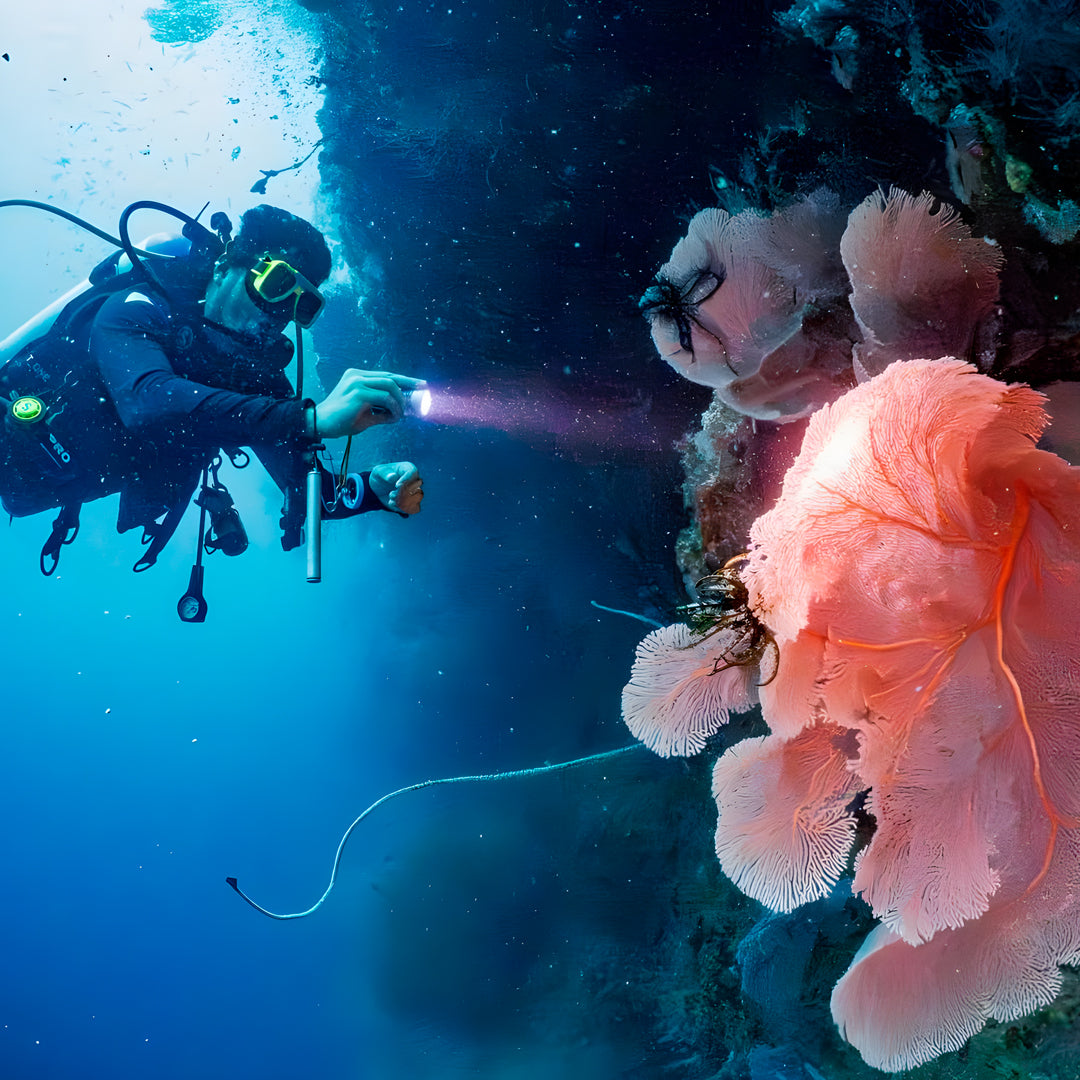

Raja Ampat Liveaboard Guide: How to Plan the Dive Trip of a Lifetime
There are places divers talk about the way others talk about Everest or the Sistine Chapel. Places that become a benchmark, something you work toward. For serious divers, Raja Ampat in Indonesia is that place. Located in the remote West Papua region of Indonesia, Raja Ampat is home to more marine species than anywhere else on Earth. Scientists have recorded more than 550 coral species and over 1,500 fish species in these waters, figures that dwarf every other diving destination on the planet. The Coral Triangle begins here. The richest reefs on the planet are here. And the only real way to experience diving Raja Ampat, Indonesia properly is on a liveaboard. Why a Liveaboard is Essential for Raja Ampat Raja Ampat covers roughly 50,000 square kilometres of ocean and hundreds of islands. The best dive sites are spread across four main regions; Central, North, South, and East …many of which are hours apart by boat. Shore-based diving from Sorong or a local resort gets you to some sites. But it doesn't get you to Wayag, or deep into Misool, or to the legendary sites of the Dampier Strait without spending half your day in transit. A liveaboard fixes all of that. You sleep where you dive. You wake up moored beside a reef that took two hours to reach overnight. You do three or four dives a day across regions that a day-tripper would never see. For a destination this size and this remote, it's genuinely the only way to do it justice. The Four Diving Regions Central Raja Ampat: The Dampier Strait The most popular and consistently dived region. The Dampier Strait separates Waigeo and Batanta islands and funnels nutrient-rich currents through a corridor that's absolutely packed with marine life. Cape Kri holds the world record for fish diversity on a single dive; ichthyologist Dr. Gerry Allen documented 374 species in one 90-minute dive here. The reef wall drops from the surface and the fish density has to be seen to be believed. Sardine Reef (Arborek) is named for the enormous schools of sardines that swarm the reef. Manta rays, reef sharks, and jacks follow the bait. One of the most consistently spectacular dives in Raja Ampat. Blue Magic is a seamount that acts as a cleaning station and feeding spot for manta rays, wobbegong sharks, and schooling fish. Currents can be strong but the payoff is exceptional. Melissa's Garden is a signature soft coral garden in the shallows near Penemu. One of the most photographed sites in Raja Ampat for good reason. The colour density here is extraordinary. One thing to know about the Dampier Strait: it can produce strong, rapidly shifting currents. Several sites are best suited to experienced divers who are comfortable in moving water. Your guide will brief you well, but don't understate your experience level when you book. North Raja Ampat: Wayag and Beyond The north is wilder, more remote, and frankly more dramatic both above and below the water. The karst limestone islands of Wayag rise from impossibly blue water in the kind of landscape that makes you question whether you've accidentally stepped into a screensaver. Underwater, the north offers deep walls, pristine reefs, and the kind of untouched coral that comes from genuinely limited visitor numbers. Most liveaboards include the north on 10 to 12 night itineraries, overnighting the passage north and spending two or three days in the region before returning south. Wayag Lagoon delivers topside scenery that's hard to overstate. Below water the lagoon reefs are healthy and largely undisturbed, with reef sharks and abundant fish life. Pianemo is another iconic northern site combining dramatic above-water karst formations with prolific reef life below. South Raja Ampat: Misool Misool is the jewel of the south. A large island surrounded by a protected marine reserve with some of the densest soft coral growth in the world. The reefs here have been under community management for over a decade and it shows. They're some of the healthiest in the region. Magic Mountain has become legendary among manta ray enthusiasts. Mantas gather here to feed and be cleaned, and encounters are reliable during the right season. Boo Windows offers twin swim-throughs framed by walls of vivid soft coral. One of the most visually stunning dives in the region and genuinely one of those dives you'll remember for years. Fiabacet is a macro photographer's paradise. The muck diving here turns up rare and remarkable small species that most divers never encounter anywhere else. Worth knowing: Misool is only accessible on longer 10 to 14 night itineraries. If it's a priority for you, check the specific route carefully before booking. East Raja Ampat The least visited region and still largely unexplored. Some liveaboards include eastern sites on extended itineraries. If you're planning a second or third Raja Ampat trip and want to go somewhere most visitors never reach, this is your answer. What You'll See Underwater Raja Ampat's biodiversity isn't marketing language. It's documented scientific fact. In practice, a routine reef dive here produces sightings that would be highlights anywhere else on Earth. Regular encounters include wobbegong sharks (endemic to the region), pygmy seahorses in multiple species, walking sharks (epaulette sharks found almost nowhere else on the planet), manta rays both reef and oceanic, blacktip and whitetip reef sharks, nudibranchs in extraordinary variety, cuttlefish and octopus, massive schools of barracuda, trevally and snapper, dugongs in seagrass areas, and whale sharks seasonally. The coral itself is genuinely the headline. Soft coral growth in Raja Ampat, particularly in Misool and parts of the Dampier Strait, reaches densities and colours that experienced divers describe as unlike anything else they've ever seen. Costs: What to Budget Raja Ampat is not a budget destination. The remoteness, fuel costs, park fees, and the quality of the experience mean liveaboard prices are significantly higher than Thailand or Bali. Budget liveaboards (7 nights): USD $1,800 to $2,500 / AUD $2,600 to $3,600 Mid-range liveaboards (7 to 10 nights): USD $2,500 to $4,500 / AUD $3,600 to $6,500 Luxury liveaboards (10 to 14 nights): USD $5,000 to $9,000+ / AUD $7,200 to $13,000+ Additional costs that catch people off guard: Raja Ampat Marine Park PIN fee: approximately USD $200 to $255 per person per trip, paid separately in cash (IDR only). This one surprises a lot of first-time Raja Ampat visitors. It's mandatory and it's not small. Dive insurance is mandatory with most operators. Budget for this if you don't already hold it. Equipment rental, nitrox, gratuities for crew, and drinks are typically charged separately. Flights to Sorong: most liveaboards depart from Sorong. You'll need domestic Indonesian flights from Bali or Jakarta. Book these well in advance, particularly during peak season when capacity is tight. Best Time to Go October to April is the primary diving season. Calmer seas, better visibility (often 15 to 30 metres), and more predictable conditions make this the window most liveaboards prioritise. May to September brings the southeast monsoon. Conditions are more variable and some operators reduce or suspend itineraries. The Central region tends to remain more diveable through the shoulder season than the north or south. Manta rays are most reliably sighted from October to April in the southern regions around Misool. Blue Magic in the Dampier Strait produces sightings year-round but peaks in the cooler, more current-active months. How to Choose Your Liveaboard Trip length: 7 nights covers the central region well. 10 nights allows the north (Wayag) or south (Misool) to be added. 12 to 14 nights gets you both. If this is your first Raja Ampat trip, 7 to 10 nights in the central region is the right starting point. Don't try to do everything first time around. Group size: Smaller boats with 8 to 12 guests offer more personalised guiding and better dive management, especially at current-heavy sites. Larger vessels with 16 to 24 guests tend to be more affordable but mean more people in the water at each site. Experience requirements: Most Raja Ampat liveaboards require Advanced Open Water certification and a minimum of 50 logged dives. Several sites, particularly in the Dampier Strait, involve strong and unpredictable currents that genuinely need experience. Don't overstate your dive history to get on a trip. It's not worth it. Before you book, ask: Is the Raja Ampat PIN fee included or separate? What is the guide-to-diver ratio? Is dive insurance mandatory? What is the cancellation policy? Are nitrox and equipment rental available? What specific regions and sites does the itinerary cover? Getting There All Raja Ampat liveaboards depart from Sorong, West Papua. Fly internationally to Bali or Jakarta, then connect to Sorong (DEO airport) on a domestic Indonesian carrier. Flight time from Bali is roughly 3.5 to 4 hours. Book your domestic legs well in advance. Sorong has limited capacity and flights fill quickly during peak season. Most operators arrange airport transfers to the liveaboard, but confirm this when you book. Arrive in Sorong the day before your liveaboard departure. Missing your departure date here is an expensive mistake that's easily avoided. Frequently Asked Questions Is Raja Ampat suitable for beginner divers? Most liveaboards require Advanced Open Water certification and significant logged experience. Some sites are accessible to confident Open Water divers under supervision, but Raja Ampat isn't the right destination for newly certified divers. Build your skills first, then come back. It'll be worth the wait. How many dives per day? Typically 3 to 4 dives per day including a night dive on most evenings. On a 7-night trip expect 20 to 25 dives total. Do I need dive insurance? Yes. Most operators make it mandatory. DAN (Divers Alert Network) cover or equivalent is standard. What's the visibility like? During peak season, visibility typically ranges from 15 to 30 metres. It can drop during shoulder months or following heavy rain. Can non-divers join a Raja Ampat liveaboard? Many liveaboards accept snorkellers. The topside scenery, the karst islands, the extraordinary birdlife, the remote beaches, is spectacular in its own right. Check with the specific operator before booking. How far in advance should I book? Peak season trips from November to March fill 6 to 12 months ahead on popular vessels. Book as early as you possibly can. Ready to plan your Raja Ampat liveaboard? Browse Indonesia liveaboard departures and compare itineraries at Dive Bookings — Indonesia Liveaboards.
Aprende más
Beyond the Surface: Exploring the Deep on a Liveaboard
For many divers, the best part of a dive trip is not simply getting underwater. It is reaching places that are difficult to access from shore, waking up beside remote reefs, and spending several days with the ocean as the centre of the journey. That is where a liveaboard changes the experience. Instead of returning to a resort after every dive, you live on the boat and move through a wider diving region. This allows you to reach offshore reefs, walls, pinnacles, wrecks and marine habitats that may be too far away for conventional day boats. For divers comparing the best liveaboards in the world, the appeal is not just luxury or the number of dives. It is access, itinerary quality, experienced crews and the opportunity to experience a destination at a much deeper level. What Makes a Liveaboard Different? A liveaboard is essentially a floating dive base. Your accommodation, meals, dive equipment and transportation between dive sites are combined into one trip. A typical itinerary can include multiple dives per day, although the exact schedule depends on the destination, weather, currents, operator and route. Some trips focus heavily on reefs and marine life, while others are designed around wrecks, pelagic encounters or remote sites. The biggest advantage is simple: the boat goes to the diving rather than making divers travel back and forth from a shore-based resort. That can make a significant difference in destinations where the most interesting sites are many hours from the nearest harbour. Reaching Remote Dive Sites Some underwater environments are best experienced from a liveaboard because of their location. Raja Ampat, the Maldives, the Galápagos, Cocos Island, the Red Sea, Komodo and the Revillagigedo Islands are examples of regions where liveaboards can provide access to extensive or remote diving areas. PADI also highlights destinations such as Raja Ampat, Maldives, Galápagos, Cocos Island and the Red Sea among notable liveaboard diving locations. The attraction is not simply reaching a famous site. A good itinerary gives divers the chance to explore several environments during one trip. One day might involve a reef covered in soft corals. The next could bring a steep wall, a current-swept channel or a historic wreck. That variety is one reason experienced divers often choose liveaboards for destination-focused diving holidays. The Rhythm of Life on a Liveaboard Life aboard a dive boat is different from a traditional beach holiday. Days often begin early, with divers preparing equipment for the first dive. Depending on the itinerary, there may be additional dives throughout the day, meals between dives and time to rest, photograph marine life or simply enjoy the scenery from the deck. The schedule is usually structured around the diving. For some people, this is the main attraction. There is less time spent travelling to and from dive centres, and more time devoted to the underwater environment. It can also create a stronger connection with the destination. You may spend several days offshore rather than seeing the ocean only during scheduled excursions. Choosing Between Different Liveaboard Experiences Not every liveaboard is designed for the same diver. Some boats are simple and practical, with the emphasis firmly on diving. Others offer larger cabins, private bathrooms, spacious lounges and more premium facilities. The right choice depends on what matters most to you. If diving is the priority, look closely at the itinerary, number of planned dives, maximum group size, guide-to-diver ratio and the experience requirements. If comfort matters just as much, accommodation, food, cabin configuration and communal areas deserve equal attention. A luxury boat does not automatically mean a better diving experience. Likewise, a basic vessel can provide exceptional diving if it has an intelligently designed itinerary and an experienced crew. The underwater programme should remain one of the most important factors when comparing the best liveaboards in the world. Know the Diving Conditions Before You Book One of the most important considerations is whether the diving matches your experience. Remote destinations can involve currents, surge, drift diving, deeper profiles or challenging entries and exits. For example, PADI notes that some Indonesian liveaboard itineraries can include current-heavy and deep dives, while certain Maldives routes may require substantial previous diving experience. This does not mean that every liveaboard is difficult. Many itineraries are suitable for recreational divers with appropriate certification and experience. However, divers should check the operator's requirements before booking rather than assuming that a famous destination is automatically suitable for beginners. Ask about: Minimum certification level Recommended number of logged dives Current strength Typical dive depths Water temperature Visibility Entry and exit conditions Nitrox availability Safety and emergency procedures These details can have a much greater impact on your trip than the appearance of the boat. More Dives Means More Planning One of the biggest attractions of liveaboards is the opportunity to make several dives over consecutive days. But that also means divers need to take repetitive diving seriously. Multiple dives over multiple days increase decompression exposure, and individual responses to repetitive diving vary. DAN has documented cases of decompression sickness occurring during liveaboard trips and stresses the importance of sensible dive planning during multi-dive itineraries. Your dive computer, surface intervals, ascent procedures and the operator's planned profiles all matter. The goal should not be to squeeze the maximum possible bottom time out of every dive. Good liveaboard diving is about enjoying the entire itinerary while maintaining sensible margins. Divers should also plan their post-trip flight carefully. DAN recommends at least 18 hours before flying after multiple dives or multiple days of diving, with longer intervals relevant when decompression stops are involved. What to Look for in the Best Liveaboards in the World The phrase “best” can mean different things to different divers. For one person, it may mean luxury cabins and fine dining. For another, it may mean access to untouched reefs and small groups. A photographer may prioritise long bottom times and dedicated camera facilities, while a wreck diver may care more about itinerary depth and site selection. A useful checklist includes: Itinerary: Does the route visit the sites you actually want to dive? Dive schedule: How many dives are included, and are night dives offered? Group size: Smaller groups can make diving and underwater photography more comfortable. Guiding: Are experienced dive guides familiar with the local conditions? Safety: What emergency equipment, communications and evacuation procedures are available? Experience requirements: Are the dives appropriate for your certification and logged experience? Equipment: Is rental equipment available, and can you use nitrox if qualified? Comfort: Does the cabin arrangement suit the length of the trip? Reviews: Look for consistent feedback about the crew, diving operation and itinerary rather than focusing only on photographs of the boat. These details help separate a genuinely strong diving operation from one that simply looks impressive online. The Destinations That Define Liveaboard Diving Different regions offer very different underwater experiences. Raja Ampat is known for exceptional reef diversity and a combination of coral, fish life and larger marine animals. The Maldives offers extensive atoll diving, channels, pinnacles and opportunities for encounters with manta rays and other pelagic species. The Red Sea combines clear tropical water with coral reefs and famous wrecks, making it particularly appealing to divers interested in both reef and wreck diving. The Galápagos is a very different proposition, with nutrient-rich waters, strong currents in some areas and the possibility of encounters with large pelagic species. Darwin and Wolf Islands are among the highlights of Galápagos liveaboard itineraries. Komodo is valued for its combination of coral reefs, currents, dramatic underwater topography and marine biodiversity. There is no single destination that can objectively be called the world's best. The strongest choice depends on the kind of diving you want. Why Experienced Divers Keep Coming Back A successful liveaboard trip is about more than collecting dive sites in a logbook. It is the feeling of waking up somewhere remote, checking the sea conditions, preparing your equipment and knowing that another unfamiliar reef is waiting below. You spend several days surrounded by divers who have made the same choice: to trade the convenience of a resort for closer access to the ocean. For experienced divers, that immersion can be the most rewarding part of the journey. The best liveaboards in the world are therefore not necessarily the most expensive boats or the ones with the most luxurious cabins. They are the trips that combine the right destination, thoughtful itinerary, capable crew, appropriate diving conditions and a well-managed operation. Planning Your Liveaboard Adventure Before booking, research the destination carefully and match the itinerary to your own experience. Check the season, water conditions, expected marine life, certification requirements and route. Consider whether you prefer reefs, wrecks, macro subjects, sharks, manta rays or pelagic encounters. Then compare boats based on what actually affects the diving experience. Most importantly, allow the diving to set the pace. A liveaboard gives you something a conventional dive holiday often cannot: several uninterrupted days in a marine environment, with remote sites within reach and very little time wasted travelling back to shore. For divers who want to go beyond familiar reefs and explore further offshore, that combination can turn a normal diving holiday into a genuine expedition. FAQs What is a liveaboard diving trip? A liveaboard is a boat where divers stay overnight while travelling between multiple dive sites. Are liveaboards suitable for beginners? Some are, but others involve strong currents, deeper dives or challenging conditions. Always check the operator's experience requirements. How many dives do liveaboards usually offer? The number varies by itinerary, destination and conditions. Some trips offer several dives per day, whileMald others follow a less intensive schedule. What should I consider when choosing a liveaboard? Focus on the itinerary, diving conditions, experience requirements, safety procedures, group size, equipment and accommodation. How long should I wait before flying after a liveaboard? For multiple dives or multiple days of diving, DAN recommends a minimum preflight surface interval of 18 hours.
Aprende más
Red Sea Wonders: Exploring the Vibrant World Beneath
The Red Sea is one of the world's most distinctive diving regions, combining clear tropical water, extensive coral reefs, dramatic drop-offs and historically significant wrecks. For divers planning their next underwater adventure, scuba diving Red Sea offers an opportunity to explore a wide range of environments within a relatively compact region. From the reefs of Sharm El Sheikh and Hurghada to the more remote sites of the southern Red Sea, diving here can range from relaxed reef exploration to demanding current dives and deep wreck experiences. What makes the region particularly appealing is its combination of accessibility and underwater variety. Why the Red Sea Is Special for Divers The Red Sea is connected to the Indian Ocean through the Gulf of Aden, but its semi-enclosed geography has created distinctive marine conditions. Warm water, strong sunlight and relatively limited freshwater input contribute to environments where coral reefs can flourish. For divers, this translates into underwater landscapes filled with hard and soft corals, reef fish, walls, pinnacles and sandy areas. However, conditions are not identical across the entire Red Sea. Water temperature, visibility, currents and marine life vary according to location and season. Choosing the right region is therefore an important part of planning a diving trip. What to Expect When Scuba Diving Red Sea One of the biggest advantages of scuba diving Red Sea is the variety of dive sites. Shallow reefs can provide accessible diving for newer recreational divers, while experienced divers can explore walls, stronger currents and deeper wrecks. Visibility is often excellent, but it should never be treated as guaranteed. Wind, plankton, currents and local conditions can affect what divers experience on a particular day. Water temperature also changes through the year. Northern Red Sea sites can become noticeably cooler during winter, while summer brings warmer conditions. A suitable exposure protection choice should therefore be based on the destination and season rather than a single Red Sea-wide temperature assumption. Sharm El Sheikh and Ras Mohammed The Sharm El Sheikh area is one of the best-known diving bases in the Egyptian Red Sea. Its location provides access to sites around the Sinai Peninsula, including Ras Mohammed National Park and the Strait of Tiran. Ras Mohammed is particularly known for steep reef walls and strong marine biodiversity. The reef environment can change dramatically over short distances. Divers may encounter coral-covered slopes, vertical walls, currents and open-water sections where larger fish pass through. Because currents can be significant at some sites, divers should follow local guide briefings and assess their own experience before entering the water. Hurghada and the Northern Red Sea Hurghada is another major gateway for Red Sea diving, with a large selection of day-boat and liveaboard operations. The surrounding area includes coral reefs, pinnacles and wreck sites. Its accessibility makes it a practical choice for divers who want to combine a diving holiday with land-based accommodation. Nearby destinations such as Giftun Islands can provide reef diving with a range of depths and conditions. Hurghada can also work well for divers travelling with different experience levels because operators offer everything from introductory experiences to advanced recreational dives. Dahab and Shore Diving Dahab offers a different style of Red Sea diving. Rather than relying entirely on daily boat trips, many famous sites in the area can be accessed from shore. The Blue Hole is perhaps the best-known site, although its reputation also comes with significant safety considerations. The Blue Hole should not be treated as a casual attraction for inexperienced divers. The deeper sections and technical diving routes require appropriate training, experience and equipment. For recreational divers, Dahab has many other sites that can provide rewarding diving without attempting an unnecessarily demanding profile. Exploring Red Sea Wrecks Wreck diving is another major reason divers choose Egypt. The SS Thistlegorm is perhaps the region's most famous wreck. The World War II-era British merchant ship sank in 1941 in the northern Red Sea and now attracts experienced recreational and technical divers. The wreck contains significant historical features and remains an important underwater heritage site. Other wrecks offer different experiences, from large structures suitable for exploration to shallower sites where marine life has colonised the remains. Wreck diving requires more than simply swimming around a sunken vessel. Divers should understand depth, penetration limitations, overhead environments and their own certification. Entering a wreck should only be undertaken with appropriate training and equipment. Marine Life Beneath the Surface The Red Sea is home to a diverse range of marine species. Depending on the location and season, divers can encounter reef fish, moray eels, turtles, rays, groupers and reef sharks. Larger pelagic species may also appear at particular sites, especially where currents bring nutrient-rich water. One of the pleasures of Red Sea diving is that marine life is not limited to large animals. Small reef fish, nudibranchs, crustaceans and colourful coral communities can make relatively shallow dives just as interesting as deeper ones. Divers should approach wildlife carefully and avoid touching corals or marine animals. Good buoyancy control is particularly important around fragile reef structures. Currents, Depth and Diving Experience The Red Sea has dive sites suitable for a broad range of recreational divers, but it is important not to assume that every famous site is beginner-friendly. Current strength can vary significantly between sites and tides. Some walls and channels are deliberately chosen for drift diving, while other sites offer calmer conditions. Depth is another consideration. Certain wrecks and wall dives quickly move beyond the depth range appropriate for newer divers. Before booking, check: Minimum certification requirements Recommended logged dives Typical maximum depth Current conditions Entry and exit requirements Water temperature Visibility Whether the site is suitable for your experience level This information helps ensure that the itinerary matches your actual diving ability. When Is the Best Time to Dive the Red Sea? There is no single month that is perfect for every Red Sea diver. The northern Red Sea generally has cooler water during winter and warmer conditions through summer. Spring and autumn can provide a useful balance between air and water temperatures, while summer can bring very warm surface conditions. Marine-life encounters are also influenced by location and season, so divers interested in a particular species should research the specific destination rather than relying on a general “Red Sea season.” Liveaboard routes can also operate differently throughout the year, with some itineraries focusing on particular regions during suitable seasonal windows. Day Boat or Liveaboard? Your choice of diving base can substantially change the experience. Day boats are convenient for divers staying in resorts and can provide access to numerous sites without committing to several days offshore. Liveaboards are better suited to divers who want to cover a larger geographical area and maximise their time underwater. Multi-day itineraries can reach remote reefs and wrecks that are impractical as day trips. For experienced divers, southern Red Sea liveaboards can provide access to less-visited sites and more challenging diving conditions. These trips may involve stronger currents and more demanding profiles, so operators' experience requirements should be checked carefully. Practical Tips for Planning Your Trip A successful Red Sea diving holiday starts before you arrive. Choose your base according to the sites you want to dive rather than simply selecting the most popular resort. Check the seasonal water temperature and bring exposure protection accordingly. Make sure your certification and logged experience meet the requirements of your chosen itinerary. If you plan to dive wrecks, walls or strong-current sites, be realistic about your skills. Travel insurance that covers scuba diving is also worth considering, particularly for trips involving remote locations or liveaboards. Finally, allow enough time between your final dive and flying. Divers should follow recognised recommendations for pre-flight surface intervals after repetitive diving, and their dive operator or medical guidance should take priority where additional precautions are needed. A Deeper Look at the Red Sea The appeal of scuba diving Red Sea lies in its depth and variety not simply the colour of its reefs. One dive may take you along a coral wall with schools of reef fish. Another may introduce you to a historic wreck. A third may involve drifting through a current while watching the blue water for larger marine life. That variety makes the Red Sea particularly rewarding for divers who want their holiday to develop with every dive. Whether you choose a shore-based trip in Dahab, a resort and day-boat holiday in Hurghada or Sharm El Sheikh, or a multi-day liveaboard through more remote waters, the key is to match the destination and itinerary to your experience. The Red Sea rewards careful planning. Understand the conditions, respect the marine environment and choose dives that suit your certification and experience. Do that, and the underwater world here can provide some of the most memorable diving in the region. FAQs Is scuba diving Red Sea suitable for beginners?Yes. Many Red Sea sites are suitable for beginners, but some wrecks, walls and current-heavy sites require greater experience. What marine life can I see in the Red Sea?Divers may encounter reef fish, turtles, rays, moray eels, groupers and sharks, depending on the site and season. Is the Red Sea good for wreck diving?Yes. The region has several notable wrecks, including the SS Thistlegorm, although individual wrecks have different depth and experience requirements. Can I dive the Red Sea from shore?Yes. Destinations such as Dahab offer extensive shore-diving opportunities, while Hurghada and Sharm El Sheikh have both shore and boat-based options. Is a liveaboard necessary for Red Sea diving?No. Day boats provide access to many excellent sites. A liveaboard becomes particularly useful when you want to reach remote areas or cover a larger diving region.
Aprende más
Buceo desde barco de vida a bordo (liveaboard) frente a buceo desde resort: ¿cuál es mejor para tu próximo viaje de buceo?
Elegir entre un vida a bordo (liveaboard) y un viaje de buceo basado en un resort no es solo cuestión de preferencia. Determina directamente cuánto buceas, las condiciones a las que te enfrentarás y el tipo de experiencia que tendrás bajo el agua. Ambas opciones funcionan bien, pero se adaptan a tipos de buceadores y objetivos de viaje muy diferentes. ¿Qué es el buceo en vida a bordo (liveaboard)? El buceo en vida a bordo significa alojarse en un barco de buceo durante varios días, con el alojamiento, las comidas y el buceo organizados a bordo. La embarcación se desplaza entre los puntos de inmersión, a menudo durante la noche, por lo que te despiertas ya en la siguiente ubicación. Esta configuración está diseñada en torno al buceo. La mayoría de los itinerarios incluyen de 3 a 4 inmersiones al día, a menudo con una inmersión nocturna adicional dependiendo de las condiciones y la ubicación. La principal ventaja es el acceso. Los barcos de vida a bordo llegan a sitios alejados de la costa, arrecifes y pináculos que están demasiado lejos o resultan poco prácticos para visitar en excursiones de un día. En destinos como Indonesia, las Maldivas o el Mar Rojo, esto puede significar corrientes más fuertes, perfiles más profundos y entornos de buceo más variados. Dicho esto, no siempre están vacíos o intactos. Las rutas populares pueden estar muy concurridas en temporada alta. ¿Qué es el buceo en resort? El buceo en resort tiene base en tierra. Te alojas en un hotel o centro de buceo y viajas a los puntos de inmersión en barco o directamente desde la costa. Los horarios de buceo son más flexibles. La mayoría de los operadores ofrecen de 1 a 3 inmersiones al día, aunque en algunos destinos como el sudeste asiático, son comunes 3 o 4 inmersiones en barcos de día. Esta configuración te permite combinar el buceo con otras actividades, ya sea relajarte, explorar la zona o viajar con personas que no bucean. También es más fácil marcar tu propio ritmo de buceo, especialmente si eres principiante o prefieres más tiempo de intervalo en superficie. Vida a bordo vs. buceo en resort: diferencias clave Acceso a los puntos de inmersión Los barcos de vida a bordo llegan a sitios remotos y alejados de la costa que no son accesibles en excursiones de un día estándar. Estos a menudo incluyen inmersiones a la deriva, paredes más profundas y arrecifes expuestos. El buceo en resort generalmente se centra en sitios a una distancia de excursión de un día, que pueden ser visitados con mayor frecuencia, pero suelen ser más fáciles y predecibles. Número de inmersiones Los barcos de vida a bordo suelen realizar de 3 a 4 inmersiones al día, a veces de 4 a 5 incluyendo inmersiones nocturnas. Esto puede ser físicamente exigente durante varios días. El buceo en resort es más flexible, normalmente de 1 a 3 inmersiones diarias, con la opción de saltarse inmersiones sin afectar un horario fijo. Condiciones y dificultad Los itinerarios de vida a bordo a menudo incluyen corrientes fuertes, inmersiones más profundas y perfiles avanzados, según la región. Muchos operadores requieren la certificación Advanced Open Water y haber registrado entre 20 y 50 o más inmersiones. El buceo en resort es generalmente más adaptable, con acceso a sitios aptos para principiantes e inmersiones de entrenamiento. Comodidad y espacio Los resorts ofrecen más espacio, habitaciones privadas y comodidades. Los barcos de vida a bordo son más compactos. Los camarotes son funcionales y las rutinas diarias están estructuradas en torno a sesiones informativas de buceo, comidas e intervalos en superficie. Horario y flexibilidad Los barcos de vida a bordo siguen un horario fijo. Las sesiones informativas, los horarios de inmersión y las rutas están planificados previamente según las condiciones. Los resorts te permiten ajustar tu horario de buceo y equilibrarlo con otras actividades. Experiencia social Los barcos de vida a bordo son más sociales por naturaleza. Pasarás la mayor parte del tiempo con el mismo grupo de buceadores. Los resorts ofrecen más independencia y privacidad. Consideraciones sobre los costes Los barcos de vida a bordo suelen tener un precio por viaje e incluyen alojamiento, comidas y buceo. Vida a bordo de gama media: alrededor de 150 a 400 dólares por noche Embarcaciones premium: significativamente más caras según el destino Sin embargo, a menudo se aplican costes adicionales: Tasas de parques marinos Recargos por combustible Alquiler de equipos o Nitrox El buceo en resort puede parecer más barato al principio, pero los costes se acumulan: Tarifas por inmersión Excursiones en barco Alquiler de equipo Comidas y alojamiento reservados por separado La diferencia de coste total depende en gran medida de cuánto planees bucear. Buceo en vida a bordo: cuándo tiene sentido Los barcos de vida a bordo son adecuados para los buceadores que quieren dar prioridad al buceo por encima de todo. Funcionan bien si: Quieres varias inmersiones al día en diferentes puntos Te sientes cómodo con el buceo repetitivo durante varios días Tienes la certificación y la experiencia requeridas Te interesan las condiciones más desafiantes, como corrientes e inmersiones más profundas Son menos ideales si prefieres la flexibilidad, necesitas un largo tiempo de recuperación o eres propenso a marearte. Buceo en resort: cuándo tiene sentido El buceo en resort es más adecuado para un viaje más equilibrado. Funciona bien si: Prefieres un ritmo más lento Eres principiante o estás ganando experiencia Viajas con personas que no bucean Quieres flexibilidad en tu horario diario También es una mejor opción si deseas combinar el buceo con otras experiencias de viaje. Cómo elegir la opción adecuada La decisión se reduce a cómo quieres pasar tu tiempo. Elige un barco de vida a bordo si tu prioridad es bucear tanto como sea posible y acceder a sitios a los que no se puede llegar desde la costa. Elige un resort si quieres tener control sobre tu horario y una mezcla de actividades de buceo y otras actividades ajenas al buceo. Tu nivel de experiencia también importa. Muchos barcos de vida a bordo están diseñados para buceadores de nivel intermedio a avanzado, mientras que los resorts atienden a todos los niveles. Consideraciones prácticas antes de reservar Certificación y experiencia: Comprueba los requisitos mínimos para los barcos de vida a bordo Condiciones: Investiga las corrientes, la temperatura y la visibilidad de tu destino Salud y seguridad: Los barcos de vida a bordo tienen acceso limitado a instalaciones médicas Mareo: Los viajes de varios días pueden ser difíciles si eres propenso al mareo Costes adicionales: Ten siempre en cuenta las tasas de parque, el equipo y los extras Conclusión El buceo en vida a bordo y el buceo en resort ofrecen dos formas muy diferentes de abordar un viaje de buceo. Los barcos de vida a bordo son estructurados, enfocados en el buceo y a menudo te llevan a sitios más exigentes. El buceo en resort es flexible, accesible y más fácil de combinar con otros planes de viaje. No existe una opción mejor universalmente, solo la que se ajusta a tu nivel de experiencia, presupuesto y cómo quieres pasar tu tiempo bajo el agua. Preguntas frecuentes ¿Es el buceo en vida a bordo adecuado para principiantes?Algunos lo son, pero muchos requieren la certificación Advanced Open Water y un número mínimo de inmersiones registradas. Comprueba siempre los requisitos antes de reservar. ¿Qué opción es más rentable?Los barcos de vida a bordo pueden ofrecer una mejor relación calidad-precio si planeas bucear con frecuencia. El buceo en resort puede ser más económico para menos inmersiones o viajes de actividades mixtas. ¿Puedo saltarme inmersiones en un barco de vida a bordo?Sí, pero los horarios son fijos, por lo que la flexibilidad es limitada en comparación con el buceo en resort. ¿Es mejor el buceo en resort para las familias?Sí. Generalmente es más adecuado para grupos mixtos y personas que no bucean. DiveBookings.com es una plataforma de confianza para viajes de buceo, cursos y experiencias de buceo globales. Nuestro equipo editorial trabaja en estrecha colaboración con profesionales de buceo certificados y operadores verificados para ofrecer contenido que cumpla con altos estándares de seguridad, precisión y experiencia.
Aprende más


Las inmersiones más populares


Tipo: Buceo
Crucero de buceo a las islas Similan y Surin
5 Days • Phuket, Tailandia
Available: Semanal
Precio regular
Desde $1,271.00 AUD
Precio de venta
Desde $1,271.00 AUD
Precio regular
$1,588.00 AUD


Tipo: Buceo
Curso de Especialidad de Buceo en Pecios en Koh Tao
2 Days • Koh Tao, Tailandia
Available: Mensual
Precio regular
$321.00 AUD
Precio de venta
$321.00 AUD
Precio regular
$342.00 AUD


Tipo: Buceo
Curso de buceo Open Water en Koh Tao
3 Days • Koh Tao, Tailandia
Available: Semanal
Precio regular
$428.00 AUD
Precio de venta
$428.00 AUD
Precio regular
$442.00 AUD


Tipo: Buceo
Curso de especialidad de buceo en pecios de SSI
2 Days • Koh Tao, Tailandia
Available: Mensual
Precio regular
$435.00 AUD
Precio de venta
$435.00 AUD
Precio regular


Tipo: Buceo
Curso de buceo Advanced Adventurer
2 Days • Koh Tao, Tailandia
Available: Semanal
Precio regular
$516.00 AUD
Precio de venta
$516.00 AUD
Precio regular
$516.00 AUD


Tipo: Buceo
Lo mejor del buceo con vida a bordo en Tailandia
8 Days • Phuket, Tailandia
Available: Mensual
Precio regular
Desde $3,146.00 AUD
Precio de venta
Desde $3,146.00 AUD
Precio regular
$3,314.00 AUD


Tipo: Buceo
Buceo recreativo en Koh Tao
1 Days • Koh Tao, Tailandia
Available: Diario
Precio regular
Desde $43.00 AUD
Precio de venta
Desde $43.00 AUD
Precio regular
$43.00 AUD


Tipo: Buceo
Buceo recreativo en Nusa Penida
1 Days • Nusa Penida, Bali, Indonesia
Available: Diario
Precio regular
$133.00 AUD
Precio de venta
$133.00 AUD
Precio regular
$136.00 AUD

