

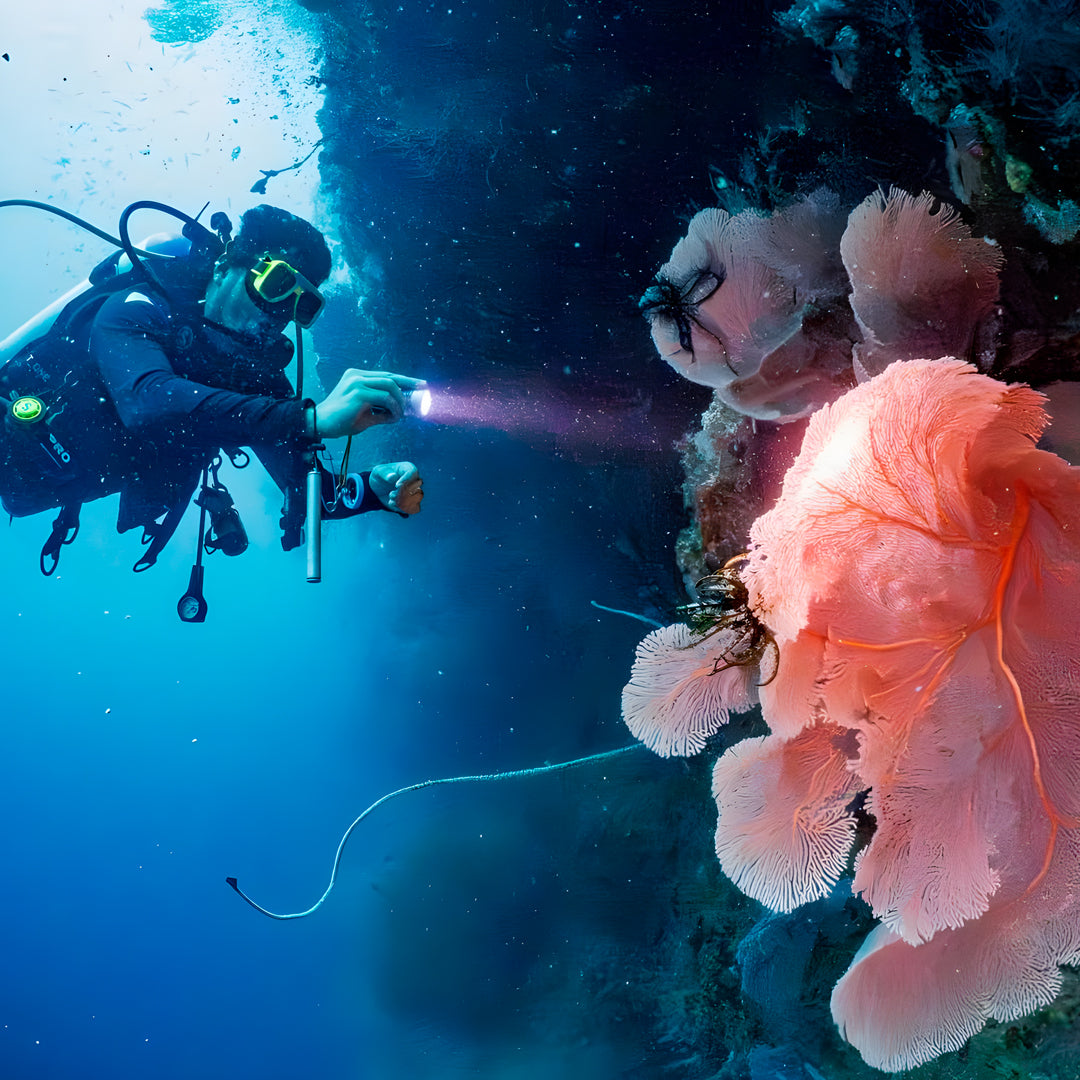
The Philippines is one of Southeast Asia's premier scuba diving destinations, home to more than 7,600 islands and some of the world's most diverse marine ecosystems. From the sardine runs of Moalboal and the thresher sharks of Malapascua to the historic wrecks of Coron and the colourful reefs of Apo Reef, the country offers diving experiences for every skill level and budget.
One of the biggest advantages of planning a diving holiday in the Philippines is its excellent value. Compared with many other world-class dive destinations, accommodation, dive packages, food, and local transportation remain relatively affordable while still providing access to exceptional underwater environments.

However, the total cost of a diving trip depends on several factors, including the destination you choose, the time of year, the number of dives you plan to complete, and whether you stay in budget guesthouses, mid-range resorts, or luxury beachfront accommodations.
This guide breaks down the cost of a diving trip to the Philippines, covering flights, accommodation, scuba diving prices, liveaboards, certification courses, equipment rental, transportation, and daily expenses. By the end, you'll have a realistic idea of how much to budget for your next diving adventure.
What Affects the Cost of a Diving Trip?
No two diving holidays cost exactly the same. While some travellers spend less than USD $700 (AUD $1,070) on a week-long trip, others choose luxury dive resorts or liveaboards costing several thousand dollars.
The biggest factors influencing your budget include:
- Your chosen dive destination
- Number of dives per day
- Accommodation standard
- Domestic flights or ferries
- Equipment rental requirements
- Marine park or environmental fees
- Food and transport expenses
- Travel season
Popular destinations such as Coron and Malapascua generally cost more than Moalboal because of additional transport requirements and higher accommodation demand during peak season.
International Flight Costs
International airfare is often the largest single expense before you even enter the water.
Typical return economy fares are:
| Departure | Typical Cost |
| Australia | USD $380–850 / AUD $580–1,300 |
| United States | USD $700–1,400 / AUD $1,070–2,145 |
| United Kingdom | USD $800–1,500 / AUD $1,225–2,300 |
| Singapore | USD $150–350 / AUD $230–535 |
Prices vary considerably depending on:
- Time of booking
- Airline
- Travel season
- Stopovers
- Departure city
Booking several months in advance usually provides the best fares, particularly during the peak diving season between November and May.
Domestic Transport Costs
Reaching the Philippines is only the first step. Many of the country's best dive destinations require domestic flights, ferries, or private transfers.
Typical transport costs include:
| Transport | Typical Price |
| Domestic flight | USD $35–120 / AUD $55–185 |
| Fast ferry | USD $12–35 / AUD $18–55 |
| Airport transfer | USD $10–40 / AUD $15–60 |
| Private transfer | USD $40–120 / AUD $60–185 |
Destinations such as Malapascua, Apo Reef, and Puerto Galera usually involve multiple transport connections, while Moalboal can be reached by road from Cebu City.
Accommodation Costs
Accommodation is available across almost every price range, allowing divers to tailor their holiday to their budget.
Budget Accommodation
Perfect for backpackers and divers spending most of the day underwater.
Typical price:
USD $20–45 per night
AUD $30–70 per night
Expect:
- Private rooms or dormitories
- Air conditioning (sometimes optional)
- Wi-Fi
- Walking distance to dive centres
Mid-Range Dive Resorts
This is the most popular option for travelling divers.
Typical price:
USD $60–130 per night
AUD $90–200 per night
Often includes:
- Swimming pool
- Restaurant
- Breakfast
- Dive centre on-site
- Equipment storage
- Airport transfer options
Luxury Dive Resorts
Premium resorts offer exceptional service, spacious rooms, private beaches, and convenient access to nearby dive sites.
Typical price:
USD $180–450+ per night
AUD $275–690+ per night
Luxury packages may include:
- Guided dives
- Full-board dining
- Spa facilities
- Private dive guides
- Boat transfers
- Photography facilities
Scuba Diving Costs by Destination
Prices vary slightly between destinations, although competition keeps rates relatively consistent across the country.

Moalboal
Moalboal is one of the Philippines' best-value dive destinations and is famous for its year-round sardine run, colourful reefs, and easy shore access.
Typical Prices
| Activity | Typical Price |
| Discover Scuba Diving | USD $75–100 / AUD $115–155 |
| Open Water Course | USD $360–430 / AUD $550–660 |
| Fun Dive | USD $30–45 / AUD $45–70 |
Marine life commonly includes:
- Sardines
- Sea turtles
- Frogfish
- Nudibranchs
- Reef fish
- Occasional reef sharks
Moalboal is particularly popular with beginners because many dive sites are close to shore, reducing travel time and keeping costs relatively low.
Malapascua
Malapascua is internationally recognised as one of the few places in the world where divers can reliably encounter pelagic thresher sharks on early morning dives. While these dives are intended for certified divers due to the depth and early departure times, the island also has sheltered reefs suitable for beginners and Open Water students.
Typical Prices
| Activity | Typical Price |
| Discover Scuba Diving | USD $80–105 / AUD $120–160 |
| Open Water Course | USD $370–450 / AUD $565–690 |
| Fun Dive | USD $35–50 / AUD $55–75 |
Marine Life
- Thresher sharks (certified divers)
- Mandarin fish
- Seahorses
- Frogfish
- Ghost pipefish
- Nudibranchs
- Sea turtles
Although Malapascua is famous for shark diving, beginners should not expect to dive at Monad Shoal immediately. Most introductory dives take place on calmer reefs closer to the island.
Coron
Coron is considered one of the world's premier wreck diving destinations. Japanese shipwrecks from World War II attract experienced divers from around the globe, while nearby coral reefs provide excellent options for beginners.
If you're new to scuba diving, Coron offers Discover Scuba Diving experiences and Open Water courses before progressing to deeper wreck dives after certification.
Typical Prices
| Activity | Typical Price |
| Discover Scuba Diving | USD $90–120 / AUD $140–185 |
| Open Water Course | USD $390–470 / AUD $595–720 |
| Two Fun Dives | USD $85–120 / AUD $130–185 |
Marine Life
- Batfish
- Barracudas
- Sweetlips
- Lionfish
- Reef fish
- Sea turtles
- Colourful hard corals
Coron generally costs slightly more than many other Philippine dive destinations because most dive sites require longer boat journeys.
Puerto Galera
Located on Mindoro Island, Puerto Galera has long been one of the Philippines' most established diving destinations. Its accessibility from Manila and variety of dive sites make it popular with both beginners and experienced divers.
Protected bays provide calm conditions for training, while nearby walls and drift dives cater to certified divers looking for more challenging underwater experiences.
Typical Prices
| Activity | Typical Price |
| Discover Scuba Diving | USD $75–100 / AUD $115–155 |
| Open Water Course | USD $360–440 / AUD $550–675 |
| Fun Dive | USD $30–45 / AUD $45–70 |
Marine Life
- Frogfish
- Seahorses
- Moray eels
- Octopus
- Barracudas
- Nudibranchs
- Reef fish
Puerto Galera is particularly popular with underwater photographers because of its exceptional macro diving.
Anilao
Anilao is widely regarded as one of the world's best macro diving destinations. Located only a few hours from Manila, it offers excellent accessibility for divers with limited travel time.
While many photographers visit Anilao specifically for rare macro species, beginners can also complete introductory dives and certification courses at the area's protected reefs.
Typical Prices
| Activity | Typical Price |
| Discover Scuba Diving | USD $80–110 / AUD $120–170 |
| Open Water Course | USD $380–460 / AUD $580–705 |
| Fun Dive | USD $35–50 / AUD $55–75 |
Marine Life
- Nudibranchs
- Frogfish
- Seahorses
- Ghost pipefish
- Octopus
- Cuttlefish
- Colourful reef fish
Bohol combines beautiful beaches, excellent visibility, and healthy coral reefs with easy access to Balicasag Island, one of the country's best-known marine sanctuaries.
The calm conditions around many of Bohol's dive sites make it suitable for Discover Scuba Diving experiences and beginner certification courses.
Typical Prices
| Activity | Typical Price |
| Discover Scuba Diving | USD $80–110 / AUD $120–170 |
| Open Water Course | USD $370–450 / AUD $565–690 |
| Two Fun Dives | USD $75–105 / AUD $115–160 |
Marine Life
- Green sea turtles
- Jackfish
- Barracudas
- Clownfish
- Triggerfish
- Soft corals
- Schools of reef fish
Balicasag Island is especially popular for turtle encounters, although sightings always depend on natural conditions.

Liveaboard Diving Costs
For divers wanting to explore remote reefs such as Tubbataha Reefs Natural Park, liveaboards provide access to sites that cannot be reached on day trips.
Typical liveaboard prices include accommodation, meals, and multiple dives each day.
| Trip Length | Typical Price |
| 3–4 Days | USD $850–1,500 / AUD $1,300–2,300 |
| 5–7 Days | USD $1,800–3,200 / AUD $2,750–4,900 |
| Premium Expeditions | USD $3,500+ / AUD $5,350+ |
National park fees, equipment rental, nitrox, and marine conservation fees may be charged separately depending on the operator.
Equipment Rental Costs
If you're not travelling with your own gear, most dive centres offer high-quality rental equipment.
Typical daily prices are:
| Equipment | Typical Price |
| Full Equipment Set | USD $15–30 / AUD $25–45 |
| BCD | USD $6–10 / AUD $9–15 |
| Regulator | USD $6–10 / AUD $9–15 |
| Wetsuit | USD $5–8 / AUD $8–12 |
| Dive Computer | USD $8–15 / AUD $12–23 |
Many Open Water courses and introductory dive packages already include standard scuba equipment, so check the inclusions before budgeting for additional rental costs.

PADI Scuba Diving Course Costs
If you're planning to become a certified diver during your trip, the Philippines offers excellent value compared with many other diving destinations. Most dive centres follow internationally recognised PADI or SSI training standards, with experienced instructors teaching in English and several other languages.
Typical certification costs are:
| Course | Typical Price |
| Discover Scuba Diving | USD $75–120 / AUD $115–185 |
| Open Water Diver | USD $360–470 / AUD $550–720 |
| Advanced Open Water | USD $300–420 / AUD $460–645 |
| Rescue Diver | USD $380–520 / AUD $580–795 |
Most course fees include:
- Digital learning materials (varies by agency)
- Instructor fees
- Scuba equipment
- Air fills
- Certification processing
- Training dives
Before booking, confirm whether marine park fees, boat transfers, and accommodation are included, as these often vary between dive centres.
Marine Park and Environmental Fees
Many of the Philippines' most popular dive sites are located within protected marine parks or conservation areas. These fees support reef protection, marine conservation, and local community initiatives.
Typical fees include:
| Fee | Typical Price |
| Marine Park Fee | USD $2–12 per day / AUD $3–18 |
| Environmental Fee | USD $1–6 / AUD $2–9 |
| Tubbataha Conservation Fee | USD $80–100 / AUD $120–155 |
Some operators include these charges in their dive packages, while others collect them separately on arrival.
Food and Daily Living Costs
One of the reasons divers enjoy travelling in the Philippines is that daily living costs remain relatively affordable.
Budget Traveller
- Breakfast: USD $3–6 / AUD $5–9
- Lunch: USD $5–8 / AUD $8–12
- Dinner: USD $6–12 / AUD $9–18
Daily total: USD $15–30 / AUD $23–45
Mid-Range Traveller
Eating at resort restaurants and local cafés typically costs:
USD $30–60 per day
AUD $45–90 per day
Luxury Traveller
Fine dining and premium resorts generally cost:
USD $70–150+ per day
AUD $105–230+ per day
Sample Diving Trip Budgets
The examples below assume a 7-day diving holiday, excluding international flights.
Budget Diver
Suitable for backpackers and newly certified divers.
| Expense | Estimated Cost |
| Accommodation | USD $160–300 |
| Diving | USD $250–420 |
| Food | USD $120–180 |
| Local Transport | USD $40–80 |
Estimated Total
USD $570–980
AUD $870–1,500
Mid-Range Diver
Ideal for most recreational divers.
| Expense | Estimated Cost |
| Accommodation | USD $450–850 |
| Diving | USD $400–700 |
| Food | USD $220–350 |
| Transport | USD $120–220 |
Estimated Total
USD $1,190–2,120
AUD $1,820–3,245
Luxury Dive Holiday
For travellers staying at premium beachfront resorts with private dive services.
| Expense | Estimated Cost |
| Accommodation | USD $1,300–3,000+ |
| Diving | USD $700–1,500+ |
| Food | USD $500–1,000+ |
| Transport | USD $250–600 |
Estimated Total
USD $2,750–6,100+
AUD $4,205–9,330+
How to Save Money on a Diving Trip
You don't have to sacrifice dive quality to keep costs under control. Consider these practical ways to reduce your overall budget:
- Travel during the shoulder season for lower accommodation rates.
- Book multi-day dive packages, which usually reduce the cost per dive.
- Stay at dive resorts that offer accommodation-and-diving bundles.
- Bring your own mask, dive computer, and exposure suit if possible to reduce rental costs.
- Use domestic budget airlines and book flights early.
- Compare what's included in each dive package before making a decision.
- Plan several dives with the same operator, as many centres offer discounts for additional dives.
Is the Philippines Good Value for Divers?
The Philippines offers outstanding value for both beginner and experienced divers. While destinations such as the Maldives or the Galápagos can require a significantly larger budget, the Philippines provides world-class reefs, abundant marine life, excellent training facilities, and diverse dive experiences at a more accessible price point.
Whether you're planning your first Open Water certification, exploring historic wrecks in Coron, photographing rare macro species in Anilao, or joining a liveaboard to Tubbataha Reefs Natural Park, there are options to suit a wide range of budgets.
By choosing the right destination, travelling during the appropriate season, and selecting a reputable dive operator, you can enjoy an unforgettable diving holiday while keeping your costs under control.
Conclusion
The Philippines offers exceptional value for divers, combining world-class underwater experiences with a wide range of accommodation, dive centres, and travel options to suit different budgets. Whether you're taking your first breaths underwater, earning an Open Water certification, or planning a liveaboard expedition to remote reefs, there are destinations to match every level of experience.
A budget-friendly diving holiday can cost as little as USD $570–980 (AUD $870–1,500) for a week, excluding international flights. Travellers looking for greater comfort can expect to spend around USD $1,190–2,120 (AUD $1,820–3,245), while luxury dive resorts and liveaboards offer premium experiences for those seeking the highest level of service and access to remote dive sites.
Choosing the right destination also plays a significant role in your overall budget. Moalboal is an excellent option for affordable reef diving and beginner courses, Malapascua is renowned for its thresher shark encounters, Coron attracts wreck diving enthusiasts, Puerto Galera and Anilao are favourites for macro photography, while Bohol combines healthy coral reefs with excellent turtle encounters.
When planning your trip, remember to budget for accommodation, domestic transport, marine park fees, equipment rental if required, and daily living expenses. Booking multi-day dive packages, travelling during the shoulder season, and confirming what's included before paying can help you maximise your budget without compromising your diving experience.
With careful planning, a diving trip to the Philippines offers an outstanding combination of affordability, marine biodiversity, and unforgettable underwater adventures.
Frequently Asked Questions
1. How much does a diving trip to the Philippines cost?
The total cost depends on your destination, travel style, and number of dives. Excluding international flights, a 7-day diving holiday typically costs:
- Budget: USD $570–980 / AUD $870–1,500
- Mid-range: USD $1,190–2,120 / AUD $1,820–3,245
- Luxury: USD $2,750–6,100+ / AUD $4,205–9,330+
2. Is scuba diving in the Philippines expensive?
Compared with many world-class diving destinations, the Philippines offers excellent value. Dive packages, accommodation, and local transport are generally affordable, while providing access to diverse marine life, healthy coral reefs, wreck dives, and internationally recognised dive centres.
3. Which destination in the Philippines is best for beginner divers?
Several destinations are suitable for beginners, including:
- Moalboal – Affordable diving, calm conditions, and the famous sardine run.
- Puerto Galera – Sheltered bays and a wide range of beginner-friendly dive sites.
- Bohol – Excellent visibility, healthy reefs, and frequent turtle sightings.
- Anilao – Protected reefs and outstanding macro marine life.
Each destination offers Discover Scuba Diving experiences and Open Water certification courses through certified dive centres.
4. How much does an Open Water scuba course cost in the Philippines?
An Open Water Diver course typically costs between USD $360–470 (AUD $550–720). Most courses include instruction, scuba equipment, air fills, training dives, and certification, although inclusions vary between dive operators.
5. Do I need to bring my own scuba equipment?
No. Most dive centres provide high-quality rental equipment, and Discover Scuba Diving experiences and certification courses usually include the necessary scuba gear. Divers who travel frequently may prefer to bring their own mask, dive computer, and exposure suit for added comfort.
6. When is the best time to dive in the Philippines?
The dry season, generally from November to May, offers the most reliable diving conditions in many parts of the Philippines. However, because the country has numerous islands with different weather patterns, some destinations provide excellent diving throughout the year.
7. Are marine park fees included in dive packages?
Not always. Some dive operators include marine park and environmental fees in their advertised prices, while others collect them separately. Always confirm what's included before booking to avoid unexpected costs.
8. Are liveaboards worth the extra cost?
If you're an experienced diver looking to explore remote locations such as Tubbataha Reefs Natural Park, a liveaboard provides access to sites that cannot be reached on standard day trips. Although they require a higher budget, liveaboards typically include accommodation, meals, and multiple dives each day, offering excellent value for serious divers.


