

Consejos de buceo
Tu zona única de chapoteo para obtener consejos de buceo, inspiración de viajes épicos, historias salvajes y desgloses de equipos de la comunidad que vive bajo el agua más que en la tierra.
Artículos

Best Wreck Diving Sites in the World
Wreck diving sits at the crossroads of history, adventure, and marine exploration. Few underwater experiences compare to descending onto a ship that has rested beneath the surface for decades, watching coral-covered steel structures transformed into thriving marine ecosystems. The world's best wreck dives are not simply the largest or oldest shipwrecks. They offer a combination of historical significance, marine life, accessibility, and memorable underwater landscapes. Some are ideal for newly certified Advanced Open Water divers, while others require extensive experience and technical training. If you're planning your next diving adventure, these wreck sites consistently rank among the most rewarding underwater experiences on the planet. What Makes a Great Wreck Dive? Every diver has a different idea of the perfect wreck. For some, it's swimming through cargo holds filled with wartime artifacts. For others, it's the opportunity to photograph schools of fish circling a sunken vessel. The best wreck diving sites typically offer: Strong historical value Good visibility Healthy marine ecosystems Safe access for trained divers Multiple routes or areas to explore Consistent diving conditions during peak seasons With that in mind, here are some of the world's most iconic wreck diving destinations. 1. SS Thistlegorm, Egypt Located in the northern Red Sea, the SS Thistlegorm is one of the most celebrated wreck dives in recreational scuba diving. The British merchant vessel was sunk by German bombers in 1941 while transporting military supplies during World War II. Today, divers can explore cargo holds containing motorcycles, trucks, rifles, boots, and railway equipment. Few wrecks offer such a direct connection to maritime history. Dive Information Depth: Approximately 16-30 metres Experience level: Advanced Open Water recommended Visibility: Often 20-30 metres Conditions: Moderate to strong currents can occur The wreck's size means most divers return for multiple dives to fully appreciate the site. Early morning dives often provide the best visibility and fewer crowds. 2. USAT Liberty, Bali, Indonesia The USAT Liberty is one of the most accessible wreck dives in the world. Resting just offshore in Tulamben, Bali, it can be reached directly from the beach, eliminating the need for a boat trip. After being torpedoed during World War II, volcanic activity eventually pushed the wreck into its current position. Over time, the vessel has become a vibrant artificial reef covered in hard and soft corals. Dive Information Depth: Approximately 5-30 metres Experience level: Suitable for beginners through advanced divers Visibility: Typically 15-30 metres Water temperature: Usually 26-29°C The combination of easy access, diverse marine life, and relatively calm conditions makes the USAT Liberty a favourite for underwater photographers and newer wreck divers. 3. SS Yongala, Australia Located off Queensland's coast, the SS Yongala is often regarded as one of Australia's finest dive sites. Unlike many wrecks known primarily for their history, Yongala is famous for the extraordinary concentration of marine life that surrounds it. Divers frequently encounter giant trevallies, sea turtles, eagle rays, groupers, and reef sharks. The wreck itself acts as a magnet for marine species in an otherwise open area of ocean. Dive Information Depth: Approximately 14-28 metres Experience level: Advanced divers recommended Visibility: Commonly 10-30 metres Conditions: Strong currents are possible Because of changing conditions and currents, Yongala is generally considered more challenging than many recreational wreck dives. 4. Chuuk Lagoon, Micronesia Often referred to by divers as the world's premier wreck diving destination, Chuuk Lagoon is home to dozens of Japanese ships and aircraft sunk during Operation Hailstone in 1944. Rather than a single wreck, Chuuk offers an entire underwater fleet. Cargo ships, tankers, submarines, aircraft, and military equipment remain scattered throughout the lagoon. Dive Information Depths: Range from recreational to technical diving limits Experience level: Intermediate to technical divers Visibility: Often 15-40 metres Best explored over multiple diving days Many visitors spend a week or more diving Chuuk. Dedicated dive resorts and liveaboards provide access to the lagoon's most significant wrecks. 5. Hilma Hooker, Bonaire The Hilma Hooker is one of the Caribbean's best-known wreck dives. The former cargo vessel sank in 1984 and now rests on its side along a reef slope near Bonaire. Its relatively straightforward profile and warm, clear Caribbean waters make it a popular choice for recreational divers. Dive Information Depth: Approximately 18-30 metres Experience level: Intermediate divers and above Visibility: Frequently exceeds 25 metres Water temperature: Typically 26-29°C The wreck attracts schools of reef fish, tarpon, and barracudas while remaining easily accessible from Bonaire's well-developed shore diving infrastructure. 6. Fujikawa Maru, Micronesia Among Chuuk Lagoon's many wrecks, Fujikawa Maru stands out as one of the most photographed. The cargo ship contains aircraft components, military artifacts, and extensive coral growth. Soft corals and marine life now cover large portions of the structure, creating a striking contrast between wartime history and natural recovery. Dive Information Depth: Approximately 5-37 metres Experience level: Advanced Open Water recommended Visibility: Often 20-40 metres Its combination of history, photogenic structures, and marine life has made it a favourite among underwater photographers. 7. Zenobia, Cyprus The Zenobia ferry sank during its maiden voyage in 1980 and now lies off the coast of Larnaca, Cyprus. At over 170 metres long, it is one of the Mediterranean's largest diveable wrecks. Divers can explore cargo decks, vehicle areas, and trucks that remain inside the vessel. Dive Information Depth: Approximately 16-42 metres Experience level: Advanced Open Water and above Visibility: Commonly 20-30 metres Best season: Late spring through autumn The wreck's size allows divers to return repeatedly and discover new sections on every dive. 8. President Coolidge, Vanuatu The President Coolidge is among the largest accessible shipwrecks available to recreational divers. Originally a luxury ocean liner, it later served as a troopship during World War II before sinking near Espiritu Santo. Because of its immense size, divers often spend several days exploring different sections of the wreck. Dive Information Depth: Approximately 20-70 metres Experience level: Advanced to technical divers Visibility: Usually 15-30 metres Access: Shore diving is possible Notable features include military equipment, cargo areas, and the famous "The Lady" statue, one of the most photographed artifacts in wreck diving. Planning Your Wreck Diving Trip Before booking a wreck diving holiday, consider more than just the wreck itself. Questions worth asking include: What certification level is required? Are currents common? Is wreck penetration allowed? Do I need a wreck diving specialty certification? Are boat dives or liveaboards required? What are the seasonal weather conditions? Trip costs vary significantly depending on the destination. Shore-based wreck diving in locations such as Bali and Bonaire is generally more affordable than remote destinations such as Chuuk Lagoon, where liveaboards and multi-day dive packages are common. For divers interested in overhead environments, specialist wreck diving training is strongly recommended before entering enclosed spaces. Final Thoughts The best wreck diving sites in the world offer far more than sunken ships. They tell stories of war, trade, exploration, and the remarkable ability of nature to reclaim man-made structures. Whether you're exploring military cargo aboard the SS Thistlegorm, photographing coral-covered steel at the USAT Liberty, or spending a week uncovering the vast underwater museum of Chuuk Lagoon, each destination delivers a unique perspective on both history and marine life. When you're ready to plan your next wreck diving adventure, Dive Bookings makes it easy to compare destinations, discover dive operators, and book unforgettable underwater experiences around the world. Frequently Asked Questions What certification do I need for wreck diving? Many wreck dives can be completed with an Advanced Open Water certification. Wreck penetration dives typically require specialized wreck diving training and experience. Which wreck dive is best for beginners? The USAT Liberty in Bali is widely considered one of the best beginner-friendly wreck dives due to its shallow sections, easy shore access, and generally calm conditions. What is the most famous wreck dive in the world? The SS Thistlegorm in Egypt is often regarded as the most iconic recreational wreck dive because of its historical cargo and excellent preservation. Is wreck diving safe? Wreck diving is generally safe when conducted within training limits, using proper equipment and following established diving procedures. Are wreck dives suitable for underwater photography? Yes. Many wrecks feature dramatic structures, marine life, and historical artifacts that create excellent photographic opportunities. What is the best wreck diving destination for experienced divers? Chuuk Lagoon is often considered one of the top destinations for experienced wreck divers due to the number, variety, and historical significance of its wrecks. When is the best time to go wreck diving? The ideal season depends on the destination. Factors such as weather, visibility, currents, and water temperature vary throughout the year. Do wrecks attract marine life? Yes. Many shipwrecks function as artificial reefs, attracting corals, fish, turtles, rays, and other marine species over time. DiveBookings.com is a trusted platform for scuba diving trips, courses, and global dive experiences. Our editorial team works closely with certified dive professionals and verified operators to deliver content that meets high standards of safety, accuracy, and expertise.
Aprende más
Meet the Man Who Turned Freediving into a Full-Time World Tour: Dan Parsons & Freediving Central
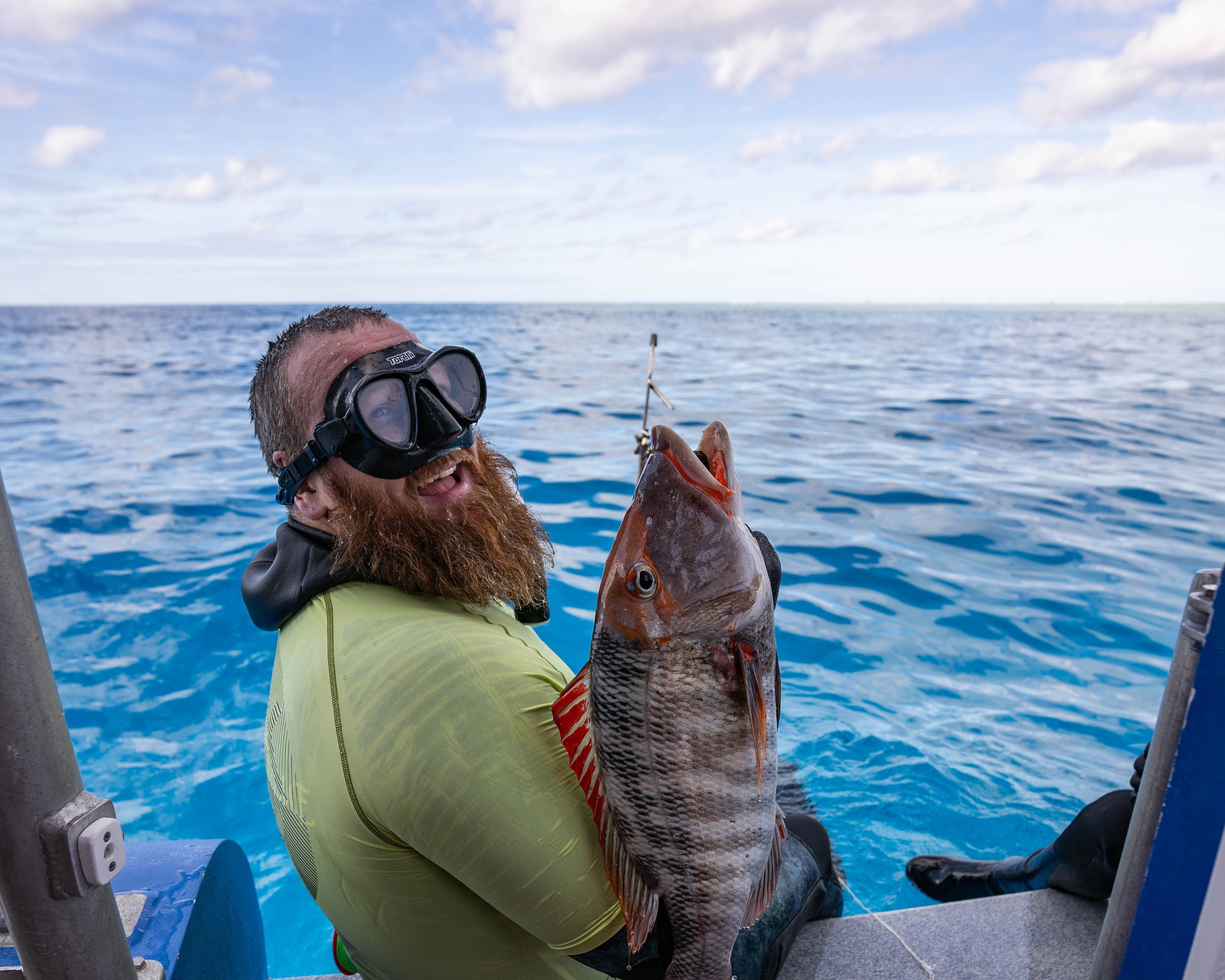
If there's one person redefining what a freediving school looks like in 2025, it's Dan Parsons — and he's doing it 50+ meters underwater, somewhere new, every few weeks. Dan is the founder and director of Freediving Central, Australia's leading freediving school, based in Sydney. But "school" barely covers it. This year alone, Freediving Central has dispatched over 21 adventure trips back-to-back — bull sharks in Fiji, blue whales in Timor-Leste, remote Indo reefs, and all the way to Mexico multiple times a year — turning Dan into what can only be described as a full-time travelling freediver with a school attached. From Big Waves to Big Depths Dan's path into freediving didn't start at the surface — it started in the impact zone. He came from a big wave surfing background, and that comfort with raw ocean power translated seamlessly into the underwater world. Once he caught the freediving bug, there was no going back. He has now certified over 2,000 students and trained nearly 50 freediving instructors — making Freediving Central not just Australia's leading freediving school, but one of the most prolific instructor-producing operations in the Southern Hemisphere. Many of Sydney's freediving schools owe their foundational expertise to Dan's mentorship and training. He's also spent serious time at the sharp end of the sport. His career has taken him around the world, training alongside some of the deepest divers on the planet — including a formative 12 months at Egypt's legendary Blue Hole in Dahab across 2012 and 2013. Not Just a Teacher — A Trusted Safety Expert Dan's reputation extends well beyond the classroom. He has served as head safety diving consultant on multiple National Geographic projects, including working with renowned explorer and filmmaker Brian Skerry on the 2021 documentary series Secrets of the Whales — providing safety cover in some of the world's most remote locations and challenging conditions. He has also collaborated with whale researchers, supported underwater expeditions for world-renowned videographers, photographers, and marine scientists, and worked alongside the Olympic canoe slalom team. In the world of freediving, when the stakes are high and the location is remote, Dan Parsons is the name that gets called. The School That Doesn't Feel Like School What sets Freediving Central apart isn't just the credentials — it's the culture. They've deliberately removed the typical course pressure from their programs. Sessions are relaxed and fun, often filled with laughter, and that atmosphere naturally helps people relax — which in turn lets them dive deeper, hold their breath longer, and hit their personal goals. The school offers everything from a Try Freediving Course (a perfect first step with all gear included) right through to Level 3 and Instructor-level training. All certifications are internationally recognised. Every instructor on the Freediving Central team can dive beyond 50 metres and hold their breath for a minimum of five minutes. You are genuinely in safe hands. 21 Trips. One Year. One Very Busy Dan. Here's where things get properly exciting for the adventure diving community. Freediving Central isn't just teaching pool sessions and weekend shore dives — they are running the most ambitious group trip calendar of any freediving school in Australia, sending Dan Parsons around the world on a near-continuous loop. Apart from his regular Freediving course, this year's lineup has included: Bull Sharks, Fiji — including the stunning Kuata Island Blue Whales, Timor-Leste — one of the rarest wildlife encounters on Earth Remote Indo reef systems — for depth training and underwater photography Mexico — returning multiple times a year for world-class open water Eua, Tonga - out-of-this-world encounters with Humpback Whales One repeat traveller said it best: "I still have the post-holiday blues a month later — it was that epic. I would never have gone to Timor-Leste or had the mind-blowing experience of swimming with Blue Whales if it weren't for Dan and Freediving Central organising everything." If you're a diver who's ever thought about adding freediving to your skillset — or a freediver ready to take your travel to the next level — Dan's trip calendar is exactly where to start. Tune into his adventures here on socials. Feature written for DiveBookings.com — your home for scuba, freediving, and spearfishing adventures worldwide.
Aprende más
Best Manta Ray Diving Spots
Manta ray encounters depend heavily on location, conditions, and timing. Some sites offer calm, predictable interactions at cleaning stations, while others involve strong currents or night dives where mantas feed under artificial light.
Aprende más
Liveaboard Diving vs Resort Diving: Which Is Better for Your Next Dive Trip?
Choosing between a liveaboard and a resort-based dive trip isn’t just about preference. It directly shapes how much you dive, the conditions you’ll face, and the type of experience you’ll have underwater. Both options work well, but they suit very different types of divers and travel goals. What Is Liveaboard Diving? Liveaboard diving means staying on a dive boat for several days, with accommodation, meals, and diving all organised onboard. The vessel moves between dive sites, often overnight, so you wake up already at the next location. This setup is designed around diving. Most itineraries include 3–4 dives per day, often with an additional night dive depending on conditions and location. The main advantage is access. Liveaboards reach offshore sites, reefs, and pinnacles that are either too far or impractical to visit on day trips. In destinations like Indonesia, the Maldives, or the Red Sea, this can mean stronger currents, deeper profiles, and more varied dive environments. That said, it’s not always empty or untouched. Popular routes can still be busy in peak season. What Is Resort Diving? Resort diving is land-based. You stay in a hotel or dive resort and travel to dive sites by boat or directly from shore. Dive schedules are more flexible. Most operators offer 1–3 dives per day, though in some destinations such as Southeast Asia, 3–4 dives on day boats are common. This setup allows you to combine diving with other activities, whether that’s relaxing, exploring the area, or traveling with non-divers. It’s also easier to pace your diving, especially if you’re newer or prefer more surface interval time. Liveaboard vs Resort Diving: Key Differences Access to Dive Sites Liveaboards reach offshore and remote sites that are not accessible on standard day trips. These often include drift dives, deeper walls, and exposed reefs. Resort diving typically focuses on sites within day-trip distance, which may be more frequently visited but are often easier and more predictable. Number of Dives Liveaboards usually run 3–4 dives per day, sometimes 4–5 including night dives. This can be physically demanding over multiple days. Resort diving is more flexible, typically 1–3 dives daily, with the option to skip dives without affecting a fixed schedule. Conditions and Difficulty Liveaboard itineraries often include strong currents, deeper dives, and advanced profiles, depending on the region. Many operators require Advanced Open Water certification and 20–50 or more logged dives. Resort diving is generally more adaptable, with access to beginner-friendly sites and training dives. Comfort and Space Resorts offer more space, private rooms, and amenities. Liveaboards are more compact. Cabins are functional, and daily routines are structured around dive briefings, meals, and surface intervals. Schedule and Flexibility Liveaboards follow a fixed schedule. Briefings, dive times, and routes are pre-planned based on conditions. Resorts allow you to adjust your diving schedule and balance it with other activities. Social Experience Liveaboards are more social by nature. You will spend most of your time with the same group of divers. Resorts provide more independence and privacy. Cost Considerations Liveaboards are typically priced per trip and include accommodation, meals, and diving. Mid-range liveaboards: around $150 to $400 per night Premium vessels: significantly higher depending on destination However, extras often apply: Marine park fees Fuel surcharges Equipment rental or Nitrox Resort diving may seem cheaper upfront, but costs add up: Per-dive fees Boat trips Gear rental Meals and accommodation booked separately The overall cost difference depends heavily on how much you plan to dive. Liveaboard Diving: When It Makes Sense Liveaboards suit divers who want to prioritize diving above everything else. They work well if you: Want multiple dives per day across different sites Are comfortable with repetitive diving over several days Have the required certification and experience Are interested in more challenging conditions such as currents and deeper dives They are less ideal if you prefer flexibility, need long recovery time, or are prone to seasickness. Resort Diving: When It Makes Sense Resort diving is better suited for a more balanced trip. It works well if you: Prefer a slower pace Are a beginner or building experience Are traveling with non-divers Want flexibility in your daily schedule It is also a better option if you want to combine diving with other travel experiences. How to Choose the Right Option The decision comes down to how you want to spend your time. Choose a liveaboard if your priority is diving as much as possible and accessing sites that are not reachable from shore. Choose a resort if you want control over your schedule and a mix of diving and non-diving activities. Your experience level matters as well. Many liveaboards are designed for intermediate to advanced divers, while resorts cater to all levels. Practical Considerations Before Booking Certification and experience: Check minimum requirements for liveaboards Conditions: Research currents, temperature, and visibility for your destination Health and safety: Liveaboards have limited access to medical facilities Seasickness: Multi-day trips can be challenging if you are prone to motion sickness Additional costs: Always factor in park fees, gear, and extras Conclusion Liveaboard and resort diving offer two very different ways to approach a dive trip. Liveaboards are structured, dive-focused, and often take you to more demanding sites. Resort diving is flexible, accessible, and easier to combine with other travel plans. There is no universal better option, only what fits your experience level, budget, and how you want to spend your time underwater. FAQs Is liveaboard diving suitable for beginners?Some are, but many require Advanced Open Water certification and a minimum number of logged dives. Always check requirements before booking. Which option is more cost-effective?Liveaboards can offer better value if you plan to dive frequently. Resort diving can be more economical for fewer dives or mixed-activity trips. Can I skip dives on a liveaboard?Yes, but schedules are fixed, so flexibility is limited compared to resort diving. Is resort diving better for families?Yes. It is generally more suitable for mixed groups and non-divers. DiveBookings.com is a trusted platform for scuba diving trips, courses, and global dive experiences. Our editorial team works closely with certified dive professionals and verified operators to deliver content that meets high standards of safety, accuracy, and expertise.
Aprende más
Guía de buceo en Bali: mejores puntos de inmersión, temporada y consejos de viaje
Bali es uno de los destinos de buceo más populares del mundo, atrayendo a los buceadores con su rica biodiversidad marina, sitios de buceo accesibles y diversos paisajes submarinos. Ubicada en Indonesia, Bali ofrece de todo, desde arrecifes de coral y naufragios hasta inmersiones a la deriva y encuentros con grandes especies marinas. Ya sea que seas un principiante buscando tu primera experiencia de buceo o un buceador experimentado en busca de aventuras submarinas avanzadas, Bali tiene algo para todos. Esta guía completa de buceo en Bali cubre los mejores sitios de buceo, el momento ideal para visitar, la vida marina y consejos esenciales de viaje. Por qué elegir Bali para bucear Bali se destaca como un destino de buceo debido a su variedad y accesibilidad. A diferencia de lugares remotos que requieren una extensa planificación de viajes, Bali es fácil de llegar y cuenta con una infraestructura bien desarrollada para turistas y buceadores. Una de las mayores ventajas de bucear en Bali es la diversidad de sitios de buceo. Dentro de un área relativamente pequeña, puedes explorar naufragios, arrecifes de coral, lugares de buceo macro e inmersiones a la deriva. Esta variedad hace que Bali sea adecuado para todos los niveles de habilidad. Además, Bali alberga muchos centros de buceo profesionales que ofrecen certificaciones reconocidas internacionalmente e inmersiones guiadas, lo que garantiza seguridad y comodidad para los principiantes. Tipos de buceo en Bali Bali ofrece una amplia gama de experiencias de buceo, lo que lo convierte en uno de los destinos de buceo más versátiles del sudeste asiático. Buceo en arrecifes El buceo en arrecifes es el tipo más común de buceo en Bali. Estas inmersiones tienen lugar alrededor de arrecifes de coral llenos de vibrante vida marina. La mayoría de las inmersiones en arrecifes son adecuadas para principiantes debido a las condiciones de calma y profundidades moderadas. Buceo en naufragios Bali es famoso por el buceo en naufragios, especialmente el del USAT Liberty. Las inmersiones en naufragios permiten a los buceadores explorar barcos hundidos que se han transformado en prósperos arrecifes artificiales. Buceo a la deriva El buceo a la deriva es popular en áreas como Nusa Penida, donde los buceadores se mueven con las corrientes oceánicas. Este tipo de buceo ofrece emocionantes encuentros con grandes especies marinas, pero puede requerir cierta experiencia. Buceo macro El buceo macro se centra en criaturas marinas pequeñas y raras como nudibranquios, caballitos de mar y camarones. Bali es uno de los mejores destinos para los entusiastas de la fotografía macro. Los mejores sitios de buceo en Bali Bali ofrece numerosos sitios de buceo de clase mundial, cada uno con características y vida marina únicas. Tulamben (Naufragio del USAT Liberty) Tulamben es uno de los sitios de buceo más famosos de Bali. El naufragio del USAT Liberty se encuentra justo frente a la costa, lo que lo hace fácilmente accesible para buceadores de todos los niveles. El naufragio está cubierto de coral y atrae a una gran variedad de vida marina, incluyendo peces de arrecife, tortugas y barracudas. Amed Amed es una tranquila zona costera conocida por sus aguas tranquilas y sus sitios de buceo aptos para principiantes. Es un excelente lugar para inmersiones de entrenamiento y exploración submarina relajada. Los arrecifes de coral aquí están sanos y llenos de vida marina. Nusa Penida Nusa Penida es uno de los destinos de buceo más emocionantes de Bali. Es famoso por los encuentros con mantarrayas en Manta Point y avistamientos estacionales de mola mola (pez luna). Debido a las corrientes más fuertes, esta zona es más adecuada para buceadores experimentados. Isla Menjangan Ubicada en el oeste de Bali, la isla Menjangan ofrece una visibilidad cristalina y paredes de coral impresionantes. Es ideal para buceadores que buscan condiciones tranquilas y paisajes submarinos escénicos. Padang Bai Padang Bai es conocido por el buceo macro y es un gran lugar para avistar criaturas marinas únicas como peces rana y nudibranquios. También ofrece una combinación de buceo en arrecifes y a la deriva. Laguna Azul Blue Lagoon es un sitio apto para principiantes cerca de Padang Bai. Presenta fondos arenosos, parches de coral y una variedad de especies marinas, lo que lo hace perfecto para inmersiones de entrenamiento. Vida marina en Bali Las aguas de Bali albergan una increíble diversidad de vida marina, lo que lo convierte en uno de los mejores destinos para la exploración submarina. Los buceadores pueden encontrarse con especies marinas grandes y pequeñas, incluyendo: Mantarrayas Mola mola (pez luna) Tortugas marinas Tiburones de arrecife Barracudas Morenas Nudibranquios Caballitos de mar La variedad de vida marina hace que Bali sea particularmente atractivo para los fotógrafos submarinos y los entusiastas de la naturaleza. Mejor época para bucear en Bali Bali ofrece buceo durante todo el año, pero ciertas estaciones ofrecen mejores condiciones según tus objetivos. De abril a noviembre (temporada seca) Esta es la mejor época para bucear en Bali. Los mares están en calma, la visibilidad es alta y las condiciones climáticas son estables. De julio a octubre (temporada de Mola Mola) Este es el momento ideal para avistar mola mola alrededor de Nusa Penida. De diciembre a marzo (temporada de lluvias) El buceo sigue siendo posible durante este período, pero la visibilidad puede reducirse ligeramente debido a las lluvias. Buceo para principiantes en Bali Bali es uno de los mejores lugares del mundo para comenzar tu viaje de buceo. Muchos sitios de buceo son poco profundos, tranquilos y fáciles de navegar, lo que los hace perfectos para principiantes. Lugares como Amed, Tulamben y Blue Lagoon ofrecen condiciones ideales para inmersiones de entrenamiento. Los principiantes pueden empezar con programas introductorios y progresar gradualmente a cursos de certificación. Instructores de buceo profesionales guían a los principiantes en cada paso, garantizando seguridad y confianza bajo el agua. Consejos de viaje para bucear en Bali Planificar tu viaje adecuadamente puede mejorar significativamente tu experiencia de buceo. Elige centros de buceo certificados y de buena reputación Verifica las condiciones del mar antes de bucear, especialmente en Nusa Penida Usa protector solar respetuoso con los arrecifes para proteger los ecosistemas marinos Mantente hidratado y bien descansado antes de las inmersiones Evita volar inmediatamente después de bucear y deja suficiente intervalo en superficie Reservar tus inmersiones con antelación a través de DiveBookings.com ayuda a asegurar la disponibilidad y garantiza una experiencia sin problemas. Por qué reservar a través de DiveBookings.com DiveBookings.com simplifica el proceso de planificación de tu viaje de buceo a Bali. Puedes comparar operadores de buceo, explorar paquetes y elegir experiencias según tu nivel de habilidad. El uso de una plataforma confiable garantiza que tengas acceso a centros de buceo verificados, prácticas de buceo seguras y opciones de reserva convenientes. Conclusión Bali es uno de los destinos de buceo más versátiles y accesibles del mundo. Con su amplia gama de sitios de buceo, rica biodiversidad marina y condiciones amigables para principiantes, ofrece algo para cada buceador. Ya sea que quieras explorar naufragios, nadar con mantarrayas o descubrir rara vida marina macro, Bali ofrece una experiencia submarina inolvidable. Preguntas Frecuentes ¿Es Bali bueno para principiantes en el buceo? Sí, Bali tiene muchos sitios de buceo aptos para principiantes como Amed, Tulamben y Blue Lagoon. ¿Cuál es el mejor sitio de buceo en Bali? El naufragio del USAT Liberty en Tulamben es el más popular. ¿Puedo ver mantarrayas en Bali? Sí, las mantarrayas se ven comúnmente en Nusa Penida. ¿Necesito certificación para bucear en Bali? No, los principiantes pueden probar programas de buceo introductorios sin certificación. ¿Cuál es la mejor época para bucear en Bali? De abril a noviembre ofrece las mejores condiciones para el buceo. DiveBookings.com es una plataforma de confianza para viajes de buceo, cursos y experiencias de buceo globales. Nuestro equipo editorial trabaja en estrecha colaboración con profesionales de buceo certificados y operadores verificados para ofrecer contenido que cumple con los más altos estándares de seguridad, precisión y experiencia.
Aprende más


Las inmersiones más populares


Tipo: Freediving
Freediving Fiji Trip
5 Days • Kuata, Fiji
Available: 24 - 28 May 2027
Precio regular
Desde $1,730.00 AUD
Precio de venta
Desde $1,730.00 AUD
Precio regular
$1,730.00 AUD


Tipo: Freediving
Amed Bali Freediving Trip
6 Days • Amed, Bali, Indonesia
Available: Annually
Precio regular
$1,171.00 AUD
Precio de venta
$1,171.00 AUD
Precio regular
$1,268.00 AUD


Tipo: Freediving
Freediving Liveaboard Maldives
8 Days • Malé, Maldives
Available: Weekly
Precio regular
Desde $4,110.00 AUD
Precio de venta
Desde $4,110.00 AUD
Precio regular
$4,110.00 AUD


Tipo: Scuba Diving
Discover Scuba Diving in Tulamben
1 Days • Tulamben, Bali, Indonesia
Available: Daily
Precio regular
Desde $203.00 AUD
Precio de venta
Desde $203.00 AUD
Precio regular
$203.00 AUD


Tipo: Scuba Diving
Volivoli Fiji Scuba Diving Getaway Trip
7 Days • Rakiraki, Fiji
Available: 16 - 22 August 2026
Precio regular
$3,864.00 AUD
Precio de venta
$3,864.00 AUD
Precio regular
$3,864.00 AUD


Tipo: Freediving
Maldives Freediving Liveaboard
8 Days • Malé, Maldives
Available: 23 - 30 August 2026
Precio regular
$3,913.00 AUD
Precio de venta
$3,913.00 AUD
Precio regular
$3,913.00 AUD


Tipo: Scuba Diving
Discover Scuba Diving in Nusa Penida
1 Days • Nusa Penida, Bali, Indonesia
Available: Daily
Precio regular
Desde $296.00 AUD
Precio de venta
Desde $296.00 AUD
Precio regular
$329.00 AUD


Tipo: Scuba Diving
Komodo Highlights Liveaboard
5 Days • Komodo Islands, Indonesia
Available: 07 - 11 October 2026
Precio regular
Desde $3,284.00 AUD
Precio de venta
Desde $3,284.00 AUD
Precio regular
$3,284.00 AUD

