

Consejos de buceo
Tu zona única de chapoteo para obtener consejos de buceo, inspiración de viajes épicos, historias salvajes y desgloses de equipos de la comunidad que vive bajo el agua más que en la tierra.
Artículos
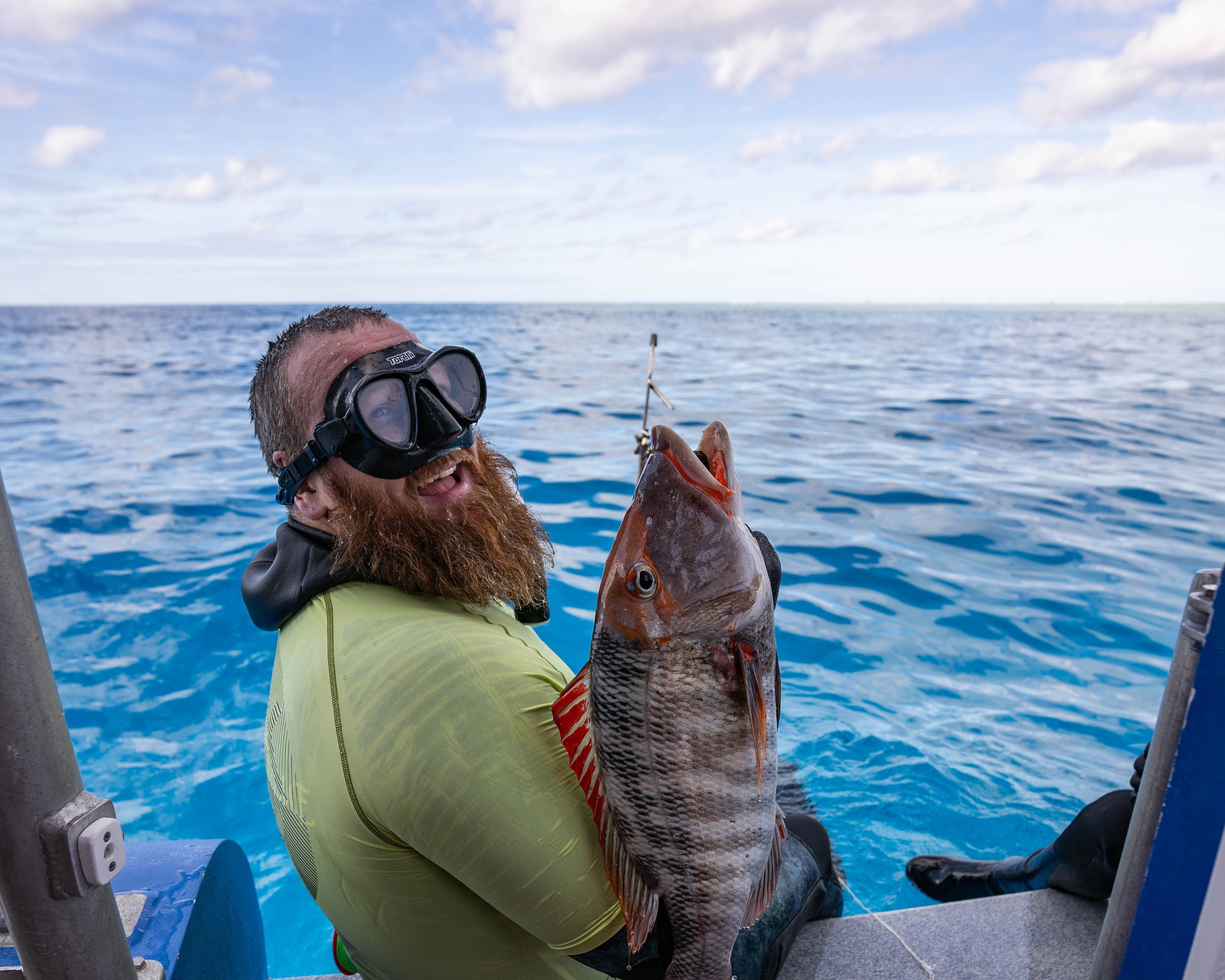

What Is Freediving? A Complete Beginner's Guide
Freediving is often described as the most natural form of diving. Long before scuba equipment existed, people were diving beneath the surface on a single breath to gather food, harvest pearls, and explore coastal waters. Today, freediving has evolved into a global sport and recreational activity, attracting everyone from ocean enthusiasts and underwater photographers to competitive athletes. Yet at its core, the concept remains remarkably simple: take one breath, dive beneath the surface, and return before needing another. If you're curious about freediving, this guide explains how it works, what training involves, how safe it is, and what you can expect from your first course. What Is Freediving? Freediving is underwater diving performed while holding your breath rather than using breathing equipment. Unlike scuba diving, where divers carry compressed air in a tank, freedivers descend on a single breath taken at the surface. Once they return to the surface, they recover and prepare for the next dive. Freediving can take many forms, including: Recreational reef exploration Underwater photography Spearfishing Competitive depth diving Pool training and static breath-hold disciplines Most people entering the sport begin with recreational freediving, focusing on technique, comfort, and safety rather than depth records. Why Do People Choose Freediving? Ask ten freedivers why they started, and you'll likely hear ten different answers. Some enjoy the simplicity of carrying minimal equipment. Others appreciate the physical and mental challenge of learning breath control. Many are drawn to the feeling of moving quietly through the underwater environment without bubbles or heavy gear. For travelers, freediving can also be an accessible way to explore reefs, marine life, and coastal environments without the logistics required for scuba diving. The experience feels very different from scuba. Dives are shorter, but many freedivers enjoy the sense of freedom and connection that comes from relying solely on their own abilities. How Does Freediving Work? A freedive begins before entering the water. Divers spend time relaxing, controlling their breathing, and preparing mentally. After a final breath, they descend beneath the surface and return before the urge to breathe becomes significant. Contrary to what many beginners assume, freediving is not primarily about lung size or physical strength. Successful freediving depends on: Relaxation Efficient movement Proper breathing techniques Good equalization skills Water confidence When divers remain calm, the body consumes oxygen more slowly, allowing for longer and more comfortable dives. How Long Can You Hold Your Breath? Most people can hold their breath for 30 seconds to 90 seconds without training. With proper instruction, breath-hold times often improve because divers learn to relax and breathe more efficiently. However, breath-hold duration should never be viewed as the primary measure of freediving ability. In fact, experienced instructors often focus less on breath-hold numbers and more on technique, safety, and comfort in the water. For beginners, learning safe habits is far more important than trying to achieve impressive breath-hold times. Is Freediving Safe? Freediving has an excellent safety record when practiced correctly, but it requires training and adherence to established safety procedures. The most important rule in freediving is: Never dive alone. Freedivers should always dive with a trained buddy who understands safety and rescue procedures. Potential risks include: Shallow water blackout Loss of motor control due to low oxygen Ear and sinus injuries Lung injuries from improper technique Equalization-related problems One of the reasons professional training is strongly recommended is that many freediving incidents occur when people attempt breath-hold diving without proper knowledge or supervision. Understanding Shallow Water Blackout Shallow water blackout is one of the most discussed risks in freediving. It occurs when oxygen levels become critically low, often near the end of a dive or during the final ascent toward the surface. A diver may appear completely comfortable moments before losing consciousness, which is why buddy supervision is essential. Modern freediving courses devote significant time to prevention, recognition, and rescue procedures related to shallow water blackout. What Is Equalization? Many beginners assume breath-holding is the biggest challenge in freediving. In reality, equalization often becomes the limiting factor. As depth increases, water pressure compresses air spaces in the ears and sinuses. Divers must equalize frequently during descent to avoid discomfort and injury. Without proper equalization, deeper dives become difficult or impossible regardless of breath-hold ability. Learning effective equalization techniques is one of the most important parts of any freediving course. Do You Need to Be a Strong Swimmer? You do not need to be a competitive swimmer to become a freediver. However, most certification agencies require: Basic swimming ability Comfort in open water Ability to float or tread water for a specified period Requirements vary between training organizations, but confidence in the water is more important than speed or athletic performance. How Do You Learn Freediving? The safest and most effective way to start is through a recognized freediving course. Organizations such as: AIDA Molchanovs SSI Freediving PADI Freediver offer structured beginner programs that teach both skills and safety procedures. A typical entry-level course includes: Freediving Theory Students learn breathing physiology, pressure effects, safety procedures, and dive planning. Pool or Confined Water Training This environment allows students to practice breath-holding and safety skills in controlled conditions. Open Water Sessions Students apply what they have learned in real-world diving conditions under instructor supervision. Most beginner courses take two to three days to complete. What Depth Can Beginners Reach? There is no standard depth that every beginner reaches. Progress depends on comfort, equalization ability, relaxation, water conditions, and instructor progression. Most beginner courses focus on developing proper technique rather than chasing depth targets. The best instructors prioritize safety, comfort, and skill development over numbers. Freediving vs Scuba Diving Although both activities take place underwater, they offer very different experiences. Freediving Single-breath diving Minimal equipment Greater mobility Shorter dive durations Strong focus on relaxation and technique Scuba Diving Uses compressed breathing gas Longer underwater exploration time More equipment and planning Ideal for extended reef, wreck, and deep dives Many ocean enthusiasts enjoy both because each offers unique advantages. Essential Freediving Equipment Freediving equipment is relatively simple compared with scuba gear. Low-Volume Mask Designed to make equalization easier during descent. Snorkel Used for breathing and recovery at the surface. Freediving Fins Long fins improve efficiency and reduce oxygen consumption. Wetsuit Provides thermal protection and buoyancy. Weight Belt Helps achieve balanced buoyancy in the water. Safety Lanyard Commonly used during line training and organized depth sessions. Most beginner courses offer equipment rental, making it easy to try the sport before purchasing gear. Best Places to Learn Freediving Several destinations have become popular training locations because of their visibility, calm conditions, and established freediving communities. Dahab, Egypt One of the world's best-known freediving destinations. Water temperatures range from approximately 22°C in winter to 28°C in summer, with visibility often exceeding 20 metres. Koh Tao, Thailand Offers warm tropical water, relatively calm conditions, and a large number of freediving schools. The best conditions are generally found between February and September. Bali, Indonesia A popular option for travelers combining freediving with a broader diving holiday. Conditions vary by location and season. Tenerife, Spain Known for year-round training opportunities and easy access from Europe. Moalboal, Philippines Offers warm water, excellent visibility, and easy access to reefs suitable for training and recreational diving. When selecting a destination, focus on instructor quality, safety standards, water conditions, and training philosophy rather than depth claims. How Much Does Freediving Cost? Freediving generally requires less equipment than scuba diving, making it relatively affordable to get started. Typical costs include: Introductory freediving experiences: $50-$150 Beginner certification courses: $250-$600 Equipment rental: Often included in course pricing Personal gear purchases: Additional cost Before booking, confirm what is included. Some courses exclude certification fees, boat trips, accommodation, or post-course training sessions. Common Beginner Mistakes New freedivers often progress faster when they avoid a few common mistakes. These include: Diving without a qualified buddy Focusing on depth too early Skipping formal training Forcing breath holds Poor equalization habits Rushing descents The most successful beginners typically focus on consistency, relaxation, and technique rather than performance metrics. Final Thoughts Freediving offers a unique way to experience the underwater world. It requires very little equipment, can be learned in a relatively short period, and develops skills that many people find valuable both in and out of the water. Whether your goal is exploring coral reefs, improving water confidence, practicing underwater photography, or simply learning a new challenge, freediving provides a different perspective on the ocean. If you're ready to start, DiveBookings helps you compare freediving schools, discover beginner-friendly courses, and book training experiences around the world. Frequently Asked Questions Is freediving harder than scuba diving? The two activities require different skills. Freediving emphasizes breath control, relaxation, and equalization, while scuba diving focuses on equipment management and underwater exploration. How long does it take to learn freediving? Most beginner certification courses can be completed in two to three days, although continued practice is necessary to develop skills and confidence. What age can you start freediving? Minimum age requirements vary by training organization, but many offer junior freediving programs for children and teenagers. Do I need to be fit to freedive? General fitness helps, but relaxation, technique, and water comfort are often more important than athletic ability. What is equalization in freediving? Equalization is the process of balancing pressure in the ears and sinuses during descent to prevent discomfort and injury. Is freediving safe for beginners? Yes. With professional instruction, proper supervision, and adherence to safety procedures, freediving is considered a safe recreational activity. Can freediving improve scuba diving skills? Many scuba divers use freediving training to improve breathing awareness, water confidence, buoyancy control, and equalization techniques. Do I need my own equipment to start freediving? No. Most freediving schools provide rental equipment during beginner courses. DiveBookings.com is a trusted platform for scuba diving trips, courses, and global dive experiences. Our editorial team works closely with certified dive professionals and verified operators to deliver content that meets high standards of safety, accuracy, and expertise.
Aprende más
What Is Scuba Diving? A Beginner's Guide to Getting Started
For many people, scuba diving begins with a simple question: what's it actually like to breathe underwater? The answer is surprisingly straightforward. With proper training and equipment, scuba diving allows you to explore an environment that covers more than 70% of our planet. Coral reefs, shipwrecks, marine life, underwater cliffs, and even entire ecosystems become accessible in a way that's impossible from the surface. If you're considering your first dive or researching a scuba certification course, understanding how scuba diving works, what training involves, and what to expect can help you take the first step with confidence. What Is Scuba Diving? Scuba diving is a form of underwater diving that uses a self-contained breathing system, allowing divers to breathe while submerged. The term SCUBA stands for: Self-Contained Underwater Breathing Apparatus Unlike snorkeling, where you remain at the surface and breathe through a tube, scuba diving allows you to descend underwater and stay there for extended periods while exploring dive sites. Modern scuba equipment supplies breathing gas from a tank carried on the diver's back. A regulator delivers air at the correct pressure, making breathing underwater feel remarkably natural after a short adjustment period. Today, scuba diving is practiced recreationally in destinations around the world, from tropical coral reefs and shipwrecks to freshwater lakes and underwater caves. How Does Scuba Diving Work? The idea of breathing underwater may sound complicated, but the equipment is designed to make the process simple. A scuba cylinder contains compressed breathing gas, which for most recreational dives is standard compressed air. The regulator reduces that pressure and delivers air whenever the diver inhales. As you descend, water pressure increases. The regulator automatically adjusts to match the surrounding pressure, allowing you to breathe comfortably at different depths. Another important piece of equipment is the Buoyancy Control Device (BCD). By adding or releasing air from the BCD, divers can control whether they float, sink, or remain neutrally buoyant in the water. Learning buoyancy control is one of the most important skills in scuba diving. Good buoyancy not only improves comfort and air consumption but also helps protect delicate marine environments. What Equipment Do You Need for Scuba Diving? Most beginner courses provide rental equipment, so purchasing gear isn't necessary before certification. However, understanding the basics can make your first dive experience less intimidating. Scuba Cylinder The cylinder stores compressed breathing gas used during the dive. Regulator The regulator delivers breathable air from the cylinder and includes a backup air source for emergencies. Buoyancy Control Device (BCD) The BCD helps divers manage buoyancy and maintain comfortable positioning underwater. Dive Mask A mask creates an air space in front of your eyes, allowing you to see clearly beneath the surface. Fins Fins help divers move efficiently through the water while conserving energy. Exposure Protection Depending on water temperature, divers may wear a wetsuit or drysuit for warmth and protection. Dive Computer A dive computer tracks depth, bottom time, ascent rates, and other information that helps divers stay within safe limits. Is Scuba Diving Safe? When conducted within established training standards, scuba diving is considered a safe recreational activity. Like any adventure sport, risks exist. However, modern training systems, equipment standards, and dive planning procedures are specifically designed to manage those risks. New divers learn essential safety practices, including: Never holding your breath underwater Monitoring air supply regularly Ascending slowly Performing pre-dive equipment checks Diving within certification limits Using the buddy system One of the reasons scuba training is so structured is that safety skills are introduced gradually and practiced repeatedly before divers enter open water. Do You Need to Be a Strong Swimmer? This is one of the most common questions beginners ask. You do not need to be a competitive swimmer or athlete to become a scuba diver. However, certification agencies require a basic level of water comfort and swimming ability. Requirements vary slightly between training organizations, but most entry-level courses include a swim assessment and a floating or treading-water exercise. Many successful divers describe themselves as average swimmers before beginning their training. Are There Any Medical Requirements? Before enrolling in a scuba certification course, you'll be asked to complete a medical questionnaire. Certain medical conditions may require clearance from a physician before diving. Conditions that commonly require additional evaluation include: Asthma Certain heart conditions Lung disorders Recent surgeries Some neurological conditions Most healthy individuals can participate in scuba diving, but it's important to answer medical questions honestly and follow guidance from instructors and healthcare professionals. How to Get Scuba Certified If you want to dive independently, you'll need a recognized scuba certification. The most common beginner certification is the Open Water Diver course. Several major training organizations offer equivalent entry-level programs, including: PADI SSI NAUI SDI While course structures differ slightly, the core skills and safety standards are similar. A typical Open Water course includes: Knowledge Development Students learn diving physics, physiology, equipment operation, safety procedures, and dive planning. Confined Water Training Skills are practiced in a swimming pool or controlled environment before entering open water. Open Water Dives Students demonstrate their skills during supervised dives in the ocean, lake, or quarry. Many certification courses can be completed over several days, although flexible schedules and online learning options are increasingly common. What Happens on Your First Scuba Dive? Most first-time divers are surprised by how calm the experience feels. Your instructor will begin with a briefing covering equipment, hand signals, and safety procedures. After entering the water, you'll practice a few basic skills before gradually descending. Early dives are conducted in shallow conditions that allow beginners to focus on breathing, buoyancy, and comfort. The first few breaths underwater often feel unusual. Within minutes, however, most new divers adapt and begin focusing on the underwater environment around them. Should You Learn Locally or While Traveling? There isn't a single right answer. Learning Locally Completing certification close to home allows you to train without vacation time pressures and often provides greater scheduling flexibility. Learning on Vacation Popular diving destinations often offer warm water, good visibility, and calm conditions that many beginners find appealing. The best option depends on your schedule, budget, and travel plans. Popular Destinations for Beginner Divers Certain destinations have built strong reputations for entry-level scuba training. Koh Tao, Thailand Known for its large number of dive schools and competitive course pricing. Bali, Indonesia Offers warm water, diverse dive sites, and opportunities to continue diving after certification. Bonaire Well known for calm conditions and easy shore diving access. Great Barrier Reef, Australia Provides access to one of the world's most famous reef systems. Maldives Offers excellent water temperatures and stunning reef environments, though some sites are better suited to experienced divers due to currents. When selecting a destination, consider instructor quality, safety standards, water conditions, and overall travel logistics rather than focusing solely on price. How Much Does Scuba Certification Cost? Certification costs vary by destination, training organization, and what's included in the package. Typical ranges include: Discover Scuba Diving experience: USD $50-$150 Open Water certification course: USD $300-$700 Personal equipment purchases: Variable Dive insurance: Optional but recommended in many destinations Courses in Southeast Asia are often less expensive than those in Australia, Europe, or North America. Before booking, confirm whether equipment rental, certification fees, study materials, and boat trips are included in the advertised price. Can You Fly After Scuba Diving? Yes, but not immediately. Diving increases the amount of dissolved nitrogen in the body. Flying too soon after diving can increase the risk of decompression sickness. Most training agencies recommend waiting at least: 18 hours after a single no-decompression dive 24 hours after multiple dives or multiple diving days This is an important consideration when planning dive holidays and return flights. Why People Continue Diving Long After Certification For many divers, certification is just the beginning. Some become interested in underwater photography. Others progress into wreck diving, night diving, deep diving, or liveaboard adventures. Many simply enjoy the opportunity to experience marine environments in a more immersive way. The appeal of scuba diving often comes from its variety. No two dive sites are exactly alike, and even familiar locations can look completely different from one day to the next. Final Thoughts Scuba diving is one of the most accessible ways to explore the underwater world. With proper training, modern equipment, and a commitment to safe diving practices, beginners can quickly develop the skills needed to dive confidently. Whether you're planning a tropical diving holiday or considering a local certification course, understanding the fundamentals will help you make informed decisions and get more from your first underwater experiences. If you're ready to start diving, DiveBookings helps you compare dive centers, discover beginner-friendly courses, and book scuba diving experiences in destinations around the world. Frequently Asked Questions What does SCUBA stand for? SCUBA stands for Self-Contained Underwater Breathing Apparatus. How deep can beginners scuba dive? Most entry-level Open Water certifications allow divers to dive to a maximum depth of approximately 18 metres (60 feet), depending on the training organization. How long does it take to get scuba certified? Many Open Water courses can be completed within several days, although timing varies depending on the training schedule and learning format. Do I need to buy scuba equipment before learning? No. Most dive schools provide rental equipment as part of their training programs. Is scuba diving safe for beginners? Yes. When conducted under professional supervision and within established training standards, scuba diving is considered a safe recreational activity. Can I scuba dive if I wear glasses? Yes. Many divers use prescription masks or wear contact lenses while diving. What age can you start scuba diving? Many certification agencies offer junior programs starting around age 10, though requirements vary. Which scuba certification agency is best? PADI, SSI, NAUI, and SDI all offer widely recognized entry-level certifications. The quality of instruction is often more important than the agency itself. DiveBookings.com is a trusted platform for scuba diving trips, courses, and global dive experiences. Our editorial team works closely with certified dive professionals and verified operators to deliver content that meets high standards of safety, accuracy, and expertise.
Aprende más
Best Wreck Diving Sites in the World
Wreck diving sits at the crossroads of history, adventure, and marine exploration. Few underwater experiences compare to descending onto a ship that has rested beneath the surface for decades, watching coral-covered steel structures transformed into thriving marine ecosystems. The world's best wreck dives are not simply the largest or oldest shipwrecks. They offer a combination of historical significance, marine life, accessibility, and memorable underwater landscapes. Some are ideal for newly certified Advanced Open Water divers, while others require extensive experience and technical training. If you're planning your next diving adventure, these wreck sites consistently rank among the most rewarding underwater experiences on the planet. What Makes a Great Wreck Dive? Every diver has a different idea of the perfect wreck. For some, it's swimming through cargo holds filled with wartime artifacts. For others, it's the opportunity to photograph schools of fish circling a sunken vessel. The best wreck diving sites typically offer: Strong historical value Good visibility Healthy marine ecosystems Safe access for trained divers Multiple routes or areas to explore Consistent diving conditions during peak seasons With that in mind, here are some of the world's most iconic wreck diving destinations. 1. SS Thistlegorm, Egypt Located in the northern Red Sea, the SS Thistlegorm is one of the most celebrated wreck dives in recreational scuba diving. The British merchant vessel was sunk by German bombers in 1941 while transporting military supplies during World War II. Today, divers can explore cargo holds containing motorcycles, trucks, rifles, boots, and railway equipment. Few wrecks offer such a direct connection to maritime history. Dive Information Depth: Approximately 16-30 metres Experience level: Advanced Open Water recommended Visibility: Often 20-30 metres Conditions: Moderate to strong currents can occur The wreck's size means most divers return for multiple dives to fully appreciate the site. Early morning dives often provide the best visibility and fewer crowds. 2. USAT Liberty, Bali, Indonesia The USAT Liberty is one of the most accessible wreck dives in the world. Resting just offshore in Tulamben, Bali, it can be reached directly from the beach, eliminating the need for a boat trip. After being torpedoed during World War II, volcanic activity eventually pushed the wreck into its current position. Over time, the vessel has become a vibrant artificial reef covered in hard and soft corals. Dive Information Depth: Approximately 5-30 metres Experience level: Suitable for beginners through advanced divers Visibility: Typically 15-30 metres Water temperature: Usually 26-29°C The combination of easy access, diverse marine life, and relatively calm conditions makes the USAT Liberty a favourite for underwater photographers and newer wreck divers. 3. SS Yongala, Australia Located off Queensland's coast, the SS Yongala is often regarded as one of Australia's finest dive sites. Unlike many wrecks known primarily for their history, Yongala is famous for the extraordinary concentration of marine life that surrounds it. Divers frequently encounter giant trevallies, sea turtles, eagle rays, groupers, and reef sharks. The wreck itself acts as a magnet for marine species in an otherwise open area of ocean. Dive Information Depth: Approximately 14-28 metres Experience level: Advanced divers recommended Visibility: Commonly 10-30 metres Conditions: Strong currents are possible Because of changing conditions and currents, Yongala is generally considered more challenging than many recreational wreck dives. 4. Chuuk Lagoon, Micronesia Often referred to by divers as the world's premier wreck diving destination, Chuuk Lagoon is home to dozens of Japanese ships and aircraft sunk during Operation Hailstone in 1944. Rather than a single wreck, Chuuk offers an entire underwater fleet. Cargo ships, tankers, submarines, aircraft, and military equipment remain scattered throughout the lagoon. Dive Information Depths: Range from recreational to technical diving limits Experience level: Intermediate to technical divers Visibility: Often 15-40 metres Best explored over multiple diving days Many visitors spend a week or more diving Chuuk. Dedicated dive resorts and liveaboards provide access to the lagoon's most significant wrecks. 5. Hilma Hooker, Bonaire The Hilma Hooker is one of the Caribbean's best-known wreck dives. The former cargo vessel sank in 1984 and now rests on its side along a reef slope near Bonaire. Its relatively straightforward profile and warm, clear Caribbean waters make it a popular choice for recreational divers. Dive Information Depth: Approximately 18-30 metres Experience level: Intermediate divers and above Visibility: Frequently exceeds 25 metres Water temperature: Typically 26-29°C The wreck attracts schools of reef fish, tarpon, and barracudas while remaining easily accessible from Bonaire's well-developed shore diving infrastructure. 6. Fujikawa Maru, Micronesia Among Chuuk Lagoon's many wrecks, Fujikawa Maru stands out as one of the most photographed. The cargo ship contains aircraft components, military artifacts, and extensive coral growth. Soft corals and marine life now cover large portions of the structure, creating a striking contrast between wartime history and natural recovery. Dive Information Depth: Approximately 5-37 metres Experience level: Advanced Open Water recommended Visibility: Often 20-40 metres Its combination of history, photogenic structures, and marine life has made it a favourite among underwater photographers. 7. Zenobia, Cyprus The Zenobia ferry sank during its maiden voyage in 1980 and now lies off the coast of Larnaca, Cyprus. At over 170 metres long, it is one of the Mediterranean's largest diveable wrecks. Divers can explore cargo decks, vehicle areas, and trucks that remain inside the vessel. Dive Information Depth: Approximately 16-42 metres Experience level: Advanced Open Water and above Visibility: Commonly 20-30 metres Best season: Late spring through autumn The wreck's size allows divers to return repeatedly and discover new sections on every dive. 8. President Coolidge, Vanuatu The President Coolidge is among the largest accessible shipwrecks available to recreational divers. Originally a luxury ocean liner, it later served as a troopship during World War II before sinking near Espiritu Santo. Because of its immense size, divers often spend several days exploring different sections of the wreck. Dive Information Depth: Approximately 20-70 metres Experience level: Advanced to technical divers Visibility: Usually 15-30 metres Access: Shore diving is possible Notable features include military equipment, cargo areas, and the famous "The Lady" statue, one of the most photographed artifacts in wreck diving. Planning Your Wreck Diving Trip Before booking a wreck diving holiday, consider more than just the wreck itself. Questions worth asking include: What certification level is required? Are currents common? Is wreck penetration allowed? Do I need a wreck diving specialty certification? Are boat dives or liveaboards required? What are the seasonal weather conditions? Trip costs vary significantly depending on the destination. Shore-based wreck diving in locations such as Bali and Bonaire is generally more affordable than remote destinations such as Chuuk Lagoon, where liveaboards and multi-day dive packages are common. For divers interested in overhead environments, specialist wreck diving training is strongly recommended before entering enclosed spaces. Final Thoughts The best wreck diving sites in the world offer far more than sunken ships. They tell stories of war, trade, exploration, and the remarkable ability of nature to reclaim man-made structures. Whether you're exploring military cargo aboard the SS Thistlegorm, photographing coral-covered steel at the USAT Liberty, or spending a week uncovering the vast underwater museum of Chuuk Lagoon, each destination delivers a unique perspective on both history and marine life. When you're ready to plan your next wreck diving adventure, Dive Bookings makes it easy to compare destinations, discover dive operators, and book unforgettable underwater experiences around the world. Frequently Asked Questions What certification do I need for wreck diving? Many wreck dives can be completed with an Advanced Open Water certification. Wreck penetration dives typically require specialized wreck diving training and experience. Which wreck dive is best for beginners? The USAT Liberty in Bali is widely considered one of the best beginner-friendly wreck dives due to its shallow sections, easy shore access, and generally calm conditions. What is the most famous wreck dive in the world? The SS Thistlegorm in Egypt is often regarded as the most iconic recreational wreck dive because of its historical cargo and excellent preservation. Is wreck diving safe? Wreck diving is generally safe when conducted within training limits, using proper equipment and following established diving procedures. Are wreck dives suitable for underwater photography? Yes. Many wrecks feature dramatic structures, marine life, and historical artifacts that create excellent photographic opportunities. What is the best wreck diving destination for experienced divers? Chuuk Lagoon is often considered one of the top destinations for experienced wreck divers due to the number, variety, and historical significance of its wrecks. When is the best time to go wreck diving? The ideal season depends on the destination. Factors such as weather, visibility, currents, and water temperature vary throughout the year. Do wrecks attract marine life? Yes. Many shipwrecks function as artificial reefs, attracting corals, fish, turtles, rays, and other marine species over time. DiveBookings.com is a trusted platform for scuba diving trips, courses, and global dive experiences. Our editorial team works closely with certified dive professionals and verified operators to deliver content that meets high standards of safety, accuracy, and expertise.
Aprende más
Best Manta Ray Diving Spots
Manta ray encounters depend heavily on location, conditions, and timing. Some sites offer calm, predictable interactions at cleaning stations, while others involve strong currents or night dives where mantas feed under artificial light.
Aprende más
Liveaboard Diving vs Resort Diving: Which Is Better for Your Next Dive Trip?
Choosing between a liveaboard and a resort-based dive trip isn’t just about preference. It directly shapes how much you dive, the conditions you’ll face, and the type of experience you’ll have underwater. Both options work well, but they suit very different types of divers and travel goals. What Is Liveaboard Diving? Liveaboard diving means staying on a dive boat for several days, with accommodation, meals, and diving all organised onboard. The vessel moves between dive sites, often overnight, so you wake up already at the next location. This setup is designed around diving. Most itineraries include 3–4 dives per day, often with an additional night dive depending on conditions and location. The main advantage is access. Liveaboards reach offshore sites, reefs, and pinnacles that are either too far or impractical to visit on day trips. In destinations like Indonesia, the Maldives, or the Red Sea, this can mean stronger currents, deeper profiles, and more varied dive environments. That said, it’s not always empty or untouched. Popular routes can still be busy in peak season. What Is Resort Diving? Resort diving is land-based. You stay in a hotel or dive resort and travel to dive sites by boat or directly from shore. Dive schedules are more flexible. Most operators offer 1–3 dives per day, though in some destinations such as Southeast Asia, 3–4 dives on day boats are common. This setup allows you to combine diving with other activities, whether that’s relaxing, exploring the area, or traveling with non-divers. It’s also easier to pace your diving, especially if you’re newer or prefer more surface interval time. Liveaboard vs Resort Diving: Key Differences Access to Dive Sites Liveaboards reach offshore and remote sites that are not accessible on standard day trips. These often include drift dives, deeper walls, and exposed reefs. Resort diving typically focuses on sites within day-trip distance, which may be more frequently visited but are often easier and more predictable. Number of Dives Liveaboards usually run 3–4 dives per day, sometimes 4–5 including night dives. This can be physically demanding over multiple days. Resort diving is more flexible, typically 1–3 dives daily, with the option to skip dives without affecting a fixed schedule. Conditions and Difficulty Liveaboard itineraries often include strong currents, deeper dives, and advanced profiles, depending on the region. Many operators require Advanced Open Water certification and 20–50 or more logged dives. Resort diving is generally more adaptable, with access to beginner-friendly sites and training dives. Comfort and Space Resorts offer more space, private rooms, and amenities. Liveaboards are more compact. Cabins are functional, and daily routines are structured around dive briefings, meals, and surface intervals. Schedule and Flexibility Liveaboards follow a fixed schedule. Briefings, dive times, and routes are pre-planned based on conditions. Resorts allow you to adjust your diving schedule and balance it with other activities. Social Experience Liveaboards are more social by nature. You will spend most of your time with the same group of divers. Resorts provide more independence and privacy. Cost Considerations Liveaboards are typically priced per trip and include accommodation, meals, and diving. Mid-range liveaboards: around $150 to $400 per night Premium vessels: significantly higher depending on destination However, extras often apply: Marine park fees Fuel surcharges Equipment rental or Nitrox Resort diving may seem cheaper upfront, but costs add up: Per-dive fees Boat trips Gear rental Meals and accommodation booked separately The overall cost difference depends heavily on how much you plan to dive. Liveaboard Diving: When It Makes Sense Liveaboards suit divers who want to prioritize diving above everything else. They work well if you: Want multiple dives per day across different sites Are comfortable with repetitive diving over several days Have the required certification and experience Are interested in more challenging conditions such as currents and deeper dives They are less ideal if you prefer flexibility, need long recovery time, or are prone to seasickness. Resort Diving: When It Makes Sense Resort diving is better suited for a more balanced trip. It works well if you: Prefer a slower pace Are a beginner or building experience Are traveling with non-divers Want flexibility in your daily schedule It is also a better option if you want to combine diving with other travel experiences. How to Choose the Right Option The decision comes down to how you want to spend your time. Choose a liveaboard if your priority is diving as much as possible and accessing sites that are not reachable from shore. Choose a resort if you want control over your schedule and a mix of diving and non-diving activities. Your experience level matters as well. Many liveaboards are designed for intermediate to advanced divers, while resorts cater to all levels. Practical Considerations Before Booking Certification and experience: Check minimum requirements for liveaboards Conditions: Research currents, temperature, and visibility for your destination Health and safety: Liveaboards have limited access to medical facilities Seasickness: Multi-day trips can be challenging if you are prone to motion sickness Additional costs: Always factor in park fees, gear, and extras Conclusion Liveaboard and resort diving offer two very different ways to approach a dive trip. Liveaboards are structured, dive-focused, and often take you to more demanding sites. Resort diving is flexible, accessible, and easier to combine with other travel plans. There is no universal better option, only what fits your experience level, budget, and how you want to spend your time underwater. FAQs Is liveaboard diving suitable for beginners?Some are, but many require Advanced Open Water certification and a minimum number of logged dives. Always check requirements before booking. Which option is more cost-effective?Liveaboards can offer better value if you plan to dive frequently. Resort diving can be more economical for fewer dives or mixed-activity trips. Can I skip dives on a liveaboard?Yes, but schedules are fixed, so flexibility is limited compared to resort diving. Is resort diving better for families?Yes. It is generally more suitable for mixed groups and non-divers. DiveBookings.com is a trusted platform for scuba diving trips, courses, and global dive experiences. Our editorial team works closely with certified dive professionals and verified operators to deliver content that meets high standards of safety, accuracy, and expertise.
Aprende más
Best Liveaboard Diving Trips in the World (2026 Guide)
If you’re planning an unforgettable scuba adventure in 2026, liveaboard diving trips remain one of the most exciting ways to explore the ocean. With evolving eco-tourism standards, upgraded luxury vessels, and better access to remote dive sites, 2026 is shaping up to be a fantastic year for liveaboard diving. In this updated guide, we’ll cover the best liveaboard diving destinations for 2026, including new trends, improved routes, and what divers can expect this year. Why Choose a Liveaboard in 2026? Liveaboard diving continues to grow in popularity, and in 2026, several trends are enhancing the experience: Eco-friendly liveaboards with reduced environmental impact Smaller group sizes for more personalized dives Advanced safety systems and navigation tech More premium and budget options worldwide Top Liveaboard Diving Destinations for 2026 1. Great Barrier Reef, Australia Still one of the top choices in 2026, the Great Barrier Reef offers newly protected zones and conservation-focused tours. 2026 Highlights: Expanded marine protection areas Improved reef health in select regions Beginner-friendly itineraries Best Time: June–October 2. Red Sea, Egypt The Red Sea continues to dominate as a top-value destination for liveaboards in 2026. 2026 Highlights: New luxury and mid-range boats Popular wreck routes upgraded Excellent visibility year-round Best Time: March–May, September–November 3. Raja Ampat, Indonesia Widely regarded as the most biodiverse marine ecosystem, Raja Ampat remains a must-visit in 2026. 2026 Highlights: Stricter eco-tourism policies Fewer boats = less crowded dive sites Exceptional coral health Best Time: October–April 4. Maldives Perfect for big marine encounters and luxury experiences. 2026 Highlights: Increased whale shark sightings reported Premium liveaboard experiences expanding Ideal for drift diving enthusiasts Best Time: November–April 5. Galápagos Islands, Ecuador One of the most thrilling liveaboard destinations for advanced divers. 2026 Highlights: Strict conservation = pristine conditions High probability of large pelagic sightings Limited permits increase exclusivity Best Time: June–November 6. Komodo National Park, Indonesia A perfect mix of adrenaline and biodiversity. 2026 Highlights: Improved park management Better scheduling to avoid overcrowding Excellent mix of macro and pelagic life Best Time: April–November 7. Socorro Islands, Mexico Known as the “Galápagos of Mexico,” Socorro is all about big animals. 2026 Highlights: Consistent giant manta encounters Growing popularity among advanced divers Remote, untouched dive sites Best Time: November–May How to Choose the Right Liveaboard in 2026 When booking your trip, consider: ✔ Experience Level Beginner → Great Barrier Reef, Maldives Advanced → Galápagos, Socorro ✔ Budget (2026 Estimates) Budget: $900–$1,500 Mid-range: $1,500–$3,000 Luxury: $3,000–$7,000+ ✔ Trip Duration Short trips: 3–5 days Extended expeditions: 7–14 days ✔ Marine Life Preferences Sharks & big pelagics → Socorro, Galápagos Coral & biodiversity → Raja Ampat Tips for Liveaboard Diving in 2026 Book early - top trips fill months in advance Choose eco-certified operators where possible Carry reef-safe sunscreen and reusable gear Get dive insurance for remote destinations Bring backup essentials (mask, computer, SMB) Conclusion Liveaboard diving in 2026 offers more options, better sustainability, and access to some of the most pristine dive sites on Earth. Whether you're seeking luxury in the Maldives or adrenaline in the Galápagos, there’s a liveaboard trip tailored for every diver. FAQs (2026 Updated) Are liveaboard diving trips worth it in 2026?Absolutely. With improved boats, better safety, and access to remote dive sites, liveaboards provide unmatched value for serious divers. How far in advance should I book for 2026?Ideally 6–12 months in advance, especially for popular destinations like Raja Ampat or the Galápagos. Are there eco-friendly liveaboards in 2026?Yes, many operators now use solar power, waste reduction systems, and eco-conscious practices. Do I need travel insurance for liveaboards?Yes, especially for remote destinations. Dive-specific insurance is highly recommended. What certification is required in 2026?Most trips require Open Water certification, but advanced destinations need Advanced Open Water + experience. Has pricing changed in 2026?Prices have slightly increased due to fuel and demand, but more options are available across all budgets. What’s the safest destination for beginners in 2026?The Great Barrier Reef and Maldives remain the safest and most beginner-friendly options. DiveBookings.com is a trusted platform for scuba diving trips, courses, and global dive experiences. Our editrial team works closely with certified dive professionals and verified operators to deliver content that meets high standards of safety, accuracy, and expertise.
Aprende más


Las inmersiones más populares


Tipo: Freediving
Freediving Fiji Trip
5 Days • Kuata, Fiji
Available: 24 - 28 May 2027
Precio regular
Desde $1,730.00 AUD
Precio de venta
Desde $1,730.00 AUD
Precio regular
$1,730.00 AUD


Tipo: Freediving
Amed Bali Freediving Trip
6 Days • Amed, Bali, Indonesia
Available: Annually
Precio regular
$1,171.00 AUD
Precio de venta
$1,171.00 AUD
Precio regular
$1,268.00 AUD


Tipo: Freediving
Freediving Liveaboard Maldives
8 Days • Malé, Maldives
Available: Weekly
Precio regular
Desde $4,110.00 AUD
Precio de venta
Desde $4,110.00 AUD
Precio regular
$4,110.00 AUD


Tipo: Scuba Diving
Discover Scuba Diving in Tulamben
1 Days • Tulamben, Bali, Indonesia
Available: Daily
Precio regular
Desde $203.00 AUD
Precio de venta
Desde $203.00 AUD
Precio regular
$203.00 AUD


Tipo: Scuba Diving
Volivoli Fiji Scuba Diving Getaway Trip
7 Days • Rakiraki, Fiji
Available: 16 - 22 August 2026
Precio regular
$3,864.00 AUD
Precio de venta
$3,864.00 AUD
Precio regular
$3,864.00 AUD


Tipo: Freediving
Maldives Freediving Liveaboard
8 Days • Malé, Maldives
Available: 23 - 30 August 2026
Precio regular
$3,913.00 AUD
Precio de venta
$3,913.00 AUD
Precio regular
$3,913.00 AUD


Tipo: Scuba Diving
Discover Scuba Diving in Nusa Penida
1 Days • Nusa Penida, Bali, Indonesia
Available: Daily
Precio regular
Desde $296.00 AUD
Precio de venta
Desde $296.00 AUD
Precio regular
$329.00 AUD


Tipo: Scuba Diving
Komodo Highlights Liveaboard
5 Days • Komodo Islands, Indonesia
Available: 07 - 11 October 2026
Precio regular
Desde $3,284.00 AUD
Precio de venta
Desde $3,284.00 AUD
Precio regular
$3,284.00 AUD

