

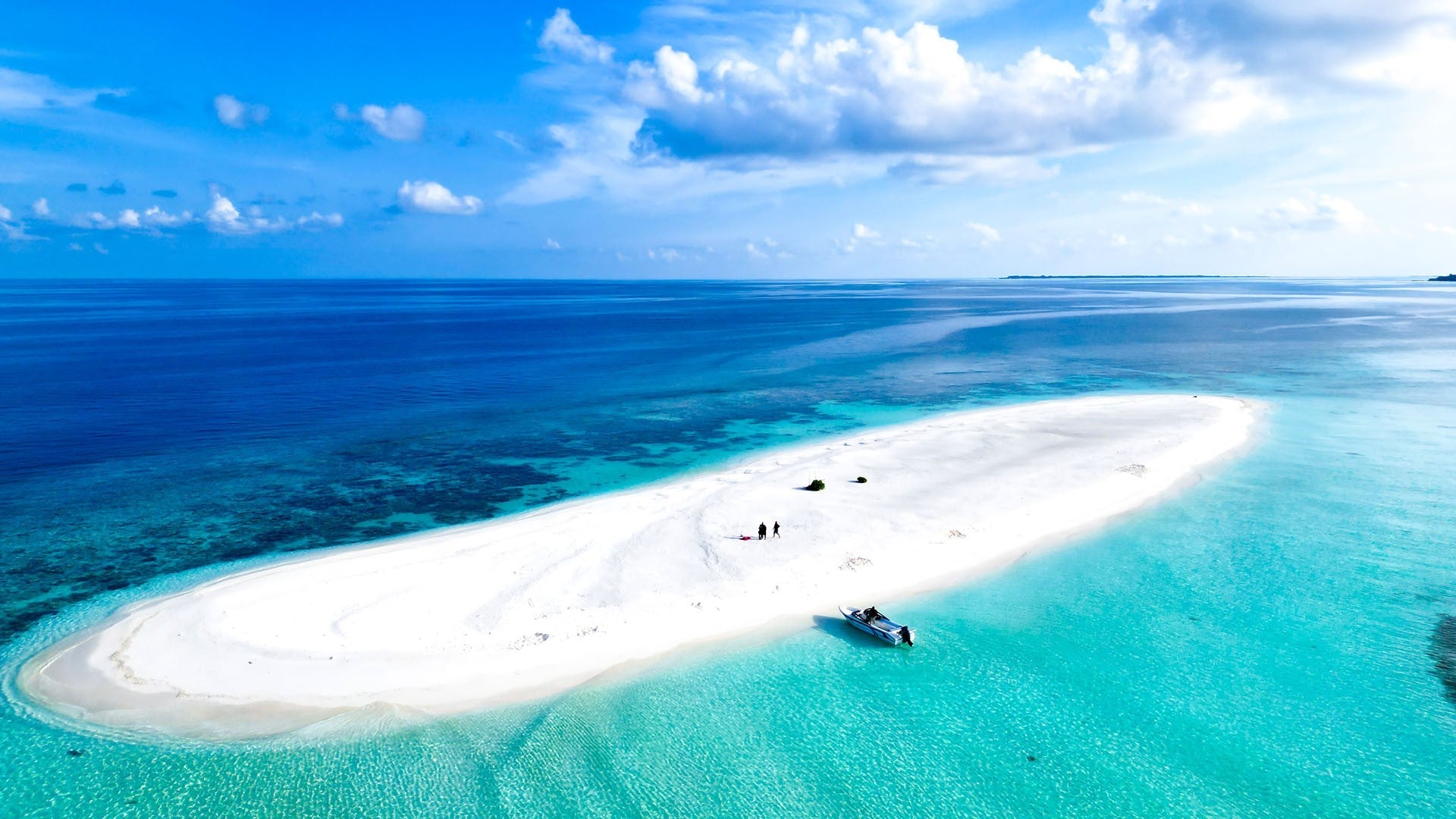
The Maldives is widely regarded as one of the best scuba diving destinations in the world. With its crystal-clear turquoise waters, thriving coral reefs, and abundant marine life, it offers an unparalleled underwater experience for both beginners and experienced divers.
Located in the Indian Ocean, the Maldives is made up of 26 atolls and over 1,200 coral islands. Its unique geography creates ideal diving conditions, including warm waters, excellent visibility, and a wide variety of dive sites ranging from shallow lagoons to deep channels.
Whether you are planning your first dive or looking for a world-class diving adventure, this Maldives scuba diving guide will help you understand the best dive sites, seasons, costs, and essential travel tips.
Why the Maldives is a Top Scuba Diving Destination
The Maldives stands out among global diving destinations for several reasons. Its underwater ecosystem is incredibly rich and diverse, making it a favorite among divers worldwide.
One of the biggest advantages is visibility, which often exceeds 20 to 30 meters. This allows divers to clearly observe coral formations, reef fish, and large marine species. The water temperature remains warm throughout the year, typically between 26°C and 30°C, eliminating the need for heavy wetsuits.
Another unique feature is the atoll structure. The Maldives consists of ring-shaped coral reefs surrounding lagoons, with channels known as "kandus" that attract large pelagic species such as sharks and manta rays.
In addition, the Maldives offers a mix of diving styles, including reef diving, drift diving, channel diving, and night diving. This variety ensures that divers of all levels can find suitable experiences.
Types of Diving Experiences in the Maldives
Understanding the different types of diving available in the Maldives can help you plan your trip more effectively.
Reef Diving
Reef diving is the most common type of diving in the Maldives. These dives take place around coral reefs that are rich in marine biodiversity. They are generally suitable for beginners due to calm conditions and shallow depths.
Drift Diving
Drift diving involves moving along with ocean currents. This type of diving is popular in the Maldives due to its natural channels. It is more suitable for intermediate or advanced divers.
Channel Diving
Channel diving takes place in the narrow passages between atolls. These areas are known for strong currents and high concentrations of marine life, including sharks and rays.
Night Diving
Night diving in the Maldives offers a completely different experience. Divers can observe nocturnal marine species such as reef sharks, lobsters, and bioluminescent organisms.
Best Dive Sites in the Maldives
The Maldives is home to hundreds of dive sites, each offering unique underwater experiences. Below are some of the most popular and highly recommended locations.
Maaya Thila (North Ari Atoll)
Maaya Thila is one of the most famous dive sites in the Maldives. It is known for its rich biodiversity and is especially popular for night dives. Divers can encounter white-tip reef sharks, moray eels, and large schools of fish.

Banana Reef (North Malé Atoll)
Banana Reef is one of the oldest and most iconic dive sites in the Maldives. It is ideal for beginners due to its relatively calm conditions. The reef features caves, overhangs, and colorful coral formations.
Fish Head (Mushimasmingili Thila)
Fish Head is a protected marine area known for its abundance of grey reef sharks. Divers can also see barracudas, tuna, and large schools of fish.
Manta Point
Manta Point is one of the best places in the Maldives to observe manta rays. These gentle giants gather at cleaning stations, providing unforgettable encounters for divers.
Kandooma Thila (South Malé Atoll)
Kandooma Thila is a popular site for drift diving. It offers strong currents and frequent sightings of sharks, eagle rays, and large pelagic species.
HP Reef (Girifushi Thila)
HP Reef is known for its vibrant coral formations and diverse marine life. It is suitable for both beginners and experienced divers.
Hanifaru Bay (Baa Atoll)
Hanifaru Bay is a UNESCO Biosphere Reserve famous for its seasonal gatherings of manta rays and whale sharks. While scuba diving is restricted (for a good reason) to protect the manta rays and whale sharks from diver disturbance, snorkeling here is an unforgettable experience!
Marine Life in the Maldives
One of the biggest attractions of scuba diving in the Maldives is its incredible marine biodiversity.
Divers can expect to see a wide range of species, including:
- Manta rays
- Whale sharks
- Reef sharks (white-tip, black-tip, grey reef)
- Sea turtles
- Eagle rays
- Barracudas
- Moray eels
- Schools of colorful reef fish
The coral reefs are equally impressive, featuring hard and soft corals that support the entire marine ecosystem.

Best Time for Scuba Diving in the Maldives
The Maldives has two main seasons that influence diving conditions.
Dry Season (November to April)
This is considered the best time to visit for scuba diving. The seas are calm, and visibility is at its highest. This period is ideal for beginners and underwater photography.
Wet Season (May to October)
During this period, the Maldives experiences stronger winds and occasional rain. However, the increase in plankton attracts manta rays and whale sharks, making it a great time for marine life encounters.
Liveaboard vs Resort Diving
When planning your Maldives diving trip, you can choose between liveaboards and resort-based diving.
Liveaboard Diving
The Maldives is one of the most premier liveaboard destinations in the world! Liveaboards are boats that take divers to multiple remote dive sites. They offer a more immersive experience and access to less crowded locations.
Resort Diving
Resort-based diving is more relaxed and suitable for beginners. You can stay on an island and take daily dive trips to nearby sites.
Travel Tips for Diving in the Maldives
Planning your trip properly can enhance your overall experience.
- Book your dives in advance, especially during peak season
- Choose certified and reputable dive operators
- Carry reef-safe sunscreen to protect marine life
- Stay hydrated and avoid flying immediately after diving
- Consider travel insurance that covers scuba diving
How to book your Maldives dive trip
The Maldives offers one of the most spectacular scuba diving experiences in the world. With its clear waters, diverse marine life, and unique atoll formations, it is a destination that every diver should experience at least once.
DiveBookings.com makes it easy to plan your scuba diving trip in the Maldives. You can compare dive centers, explore packages, and book your dives with trusted operators.
Using a reliable booking platform ensures safety, convenience, and access to verified dive experiences.
FAQs
Is the Maldives good for beginner scuba diving?
Yes, the Maldives offers many shallow and calm dive sites that are ideal for beginners.
What is the best time to dive in the Maldives?
The best time is from November to April for visibility, while May to October is best for manta rays and whale sharks.
How expensive is scuba diving in the Maldives?
Diving can range from moderate to expensive, depending on the type of experience and accommodation. Resort fun dives typically run $80–$150, liveaboards from $2,500–$6,000+ per week.
Can I dive in the Maldives without certification?
Yes, beginners can try introductory programs like Discover Scuba Diving.
What marine animals can I see in the Maldives?
You can see manta rays, whale sharks, reef sharks, turtles, and a wide variety of reef fish.
DiveBookings.com is a trusted platform for scuba diving trips, courses, and global dive experiences. Our editorial team works closely with certified dive professionals and verified operators to deliver content that meets high standards of safety, accuracy, and expertise.


