

Consejos de buceo
Tu zona única de chapoteo para obtener consejos de buceo, inspiración de viajes épicos, historias salvajes y desgloses de equipos de la comunidad que vive bajo el agua más que en la tierra.
Artículos
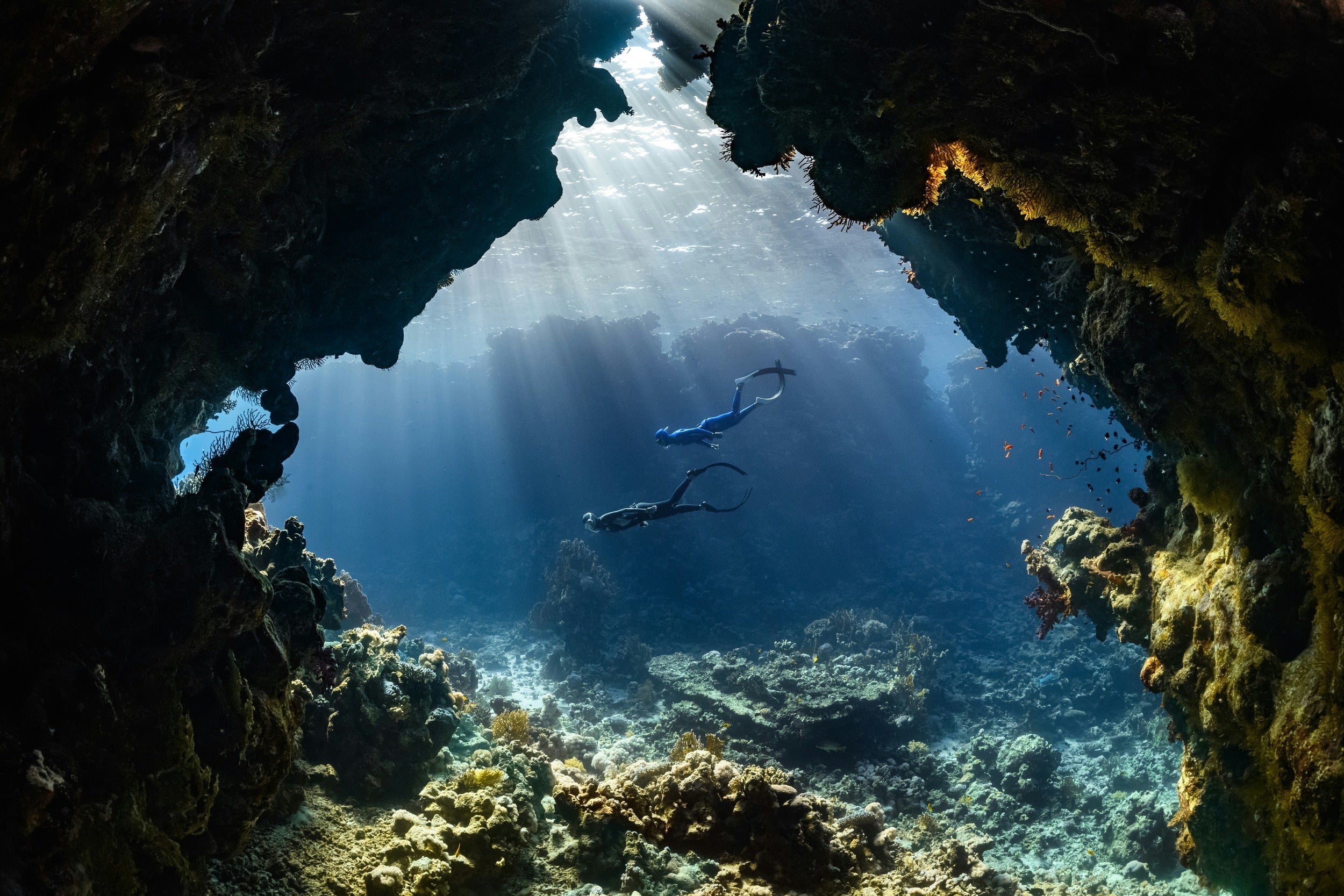

What Is Freediving? A Complete Beginner's Guide
Freediving is often described as the most natural form of diving. Long before scuba equipment existed, people were diving beneath the surface on a single breath to gather food, harvest pearls, and explore coastal waters. Today, freediving has evolved into a global sport and recreational activity, attracting everyone from ocean enthusiasts and underwater photographers to competitive athletes. Yet at its core, the concept remains remarkably simple: take one breath, dive beneath the surface, and return before needing another. If you're curious about freediving, this guide explains how it works, what training involves, how safe it is, and what you can expect from your first course. What Is Freediving? Freediving is underwater diving performed while holding your breath rather than using breathing equipment. Unlike scuba diving, where divers carry compressed air in a tank, freedivers descend on a single breath taken at the surface. Once they return to the surface, they recover and prepare for the next dive. Freediving can take many forms, including: Recreational reef exploration Underwater photography Spearfishing Competitive depth diving Pool training and static breath-hold disciplines Most people entering the sport begin with recreational freediving, focusing on technique, comfort, and safety rather than depth records. Why Do People Choose Freediving? Ask ten freedivers why they started, and you'll likely hear ten different answers. Some enjoy the simplicity of carrying minimal equipment. Others appreciate the physical and mental challenge of learning breath control. Many are drawn to the feeling of moving quietly through the underwater environment without bubbles or heavy gear. For travelers, freediving can also be an accessible way to explore reefs, marine life, and coastal environments without the logistics required for scuba diving. The experience feels very different from scuba. Dives are shorter, but many freedivers enjoy the sense of freedom and connection that comes from relying solely on their own abilities. How Does Freediving Work? A freedive begins before entering the water. Divers spend time relaxing, controlling their breathing, and preparing mentally. After a final breath, they descend beneath the surface and return before the urge to breathe becomes significant. Contrary to what many beginners assume, freediving is not primarily about lung size or physical strength. Successful freediving depends on: Relaxation Efficient movement Proper breathing techniques Good equalization skills Water confidence When divers remain calm, the body consumes oxygen more slowly, allowing for longer and more comfortable dives. How Long Can You Hold Your Breath? Most people can hold their breath for 30 seconds to 90 seconds without training. With proper instruction, breath-hold times often improve because divers learn to relax and breathe more efficiently. However, breath-hold duration should never be viewed as the primary measure of freediving ability. In fact, experienced instructors often focus less on breath-hold numbers and more on technique, safety, and comfort in the water. For beginners, learning safe habits is far more important than trying to achieve impressive breath-hold times. Is Freediving Safe? Freediving has an excellent safety record when practiced correctly, but it requires training and adherence to established safety procedures. The most important rule in freediving is: Never dive alone. Freedivers should always dive with a trained buddy who understands safety and rescue procedures. Potential risks include: Shallow water blackout Loss of motor control due to low oxygen Ear and sinus injuries Lung injuries from improper technique Equalization-related problems One of the reasons professional training is strongly recommended is that many freediving incidents occur when people attempt breath-hold diving without proper knowledge or supervision. Understanding Shallow Water Blackout Shallow water blackout is one of the most discussed risks in freediving. It occurs when oxygen levels become critically low, often near the end of a dive or during the final ascent toward the surface. A diver may appear completely comfortable moments before losing consciousness, which is why buddy supervision is essential. Modern freediving courses devote significant time to prevention, recognition, and rescue procedures related to shallow water blackout. What Is Equalization? Many beginners assume breath-holding is the biggest challenge in freediving. In reality, equalization often becomes the limiting factor. As depth increases, water pressure compresses air spaces in the ears and sinuses. Divers must equalize frequently during descent to avoid discomfort and injury. Without proper equalization, deeper dives become difficult or impossible regardless of breath-hold ability. Learning effective equalization techniques is one of the most important parts of any freediving course. Do You Need to Be a Strong Swimmer? You do not need to be a competitive swimmer to become a freediver. However, most certification agencies require: Basic swimming ability Comfort in open water Ability to float or tread water for a specified period Requirements vary between training organizations, but confidence in the water is more important than speed or athletic performance. How Do You Learn Freediving? The safest and most effective way to start is through a recognized freediving course. Organizations such as: AIDA Molchanovs SSI Freediving PADI Freediver offer structured beginner programs that teach both skills and safety procedures. A typical entry-level course includes: Freediving Theory Students learn breathing physiology, pressure effects, safety procedures, and dive planning. Pool or Confined Water Training This environment allows students to practice breath-holding and safety skills in controlled conditions. Open Water Sessions Students apply what they have learned in real-world diving conditions under instructor supervision. Most beginner courses take two to three days to complete. What Depth Can Beginners Reach? There is no standard depth that every beginner reaches. Progress depends on comfort, equalization ability, relaxation, water conditions, and instructor progression. Most beginner courses focus on developing proper technique rather than chasing depth targets. The best instructors prioritize safety, comfort, and skill development over numbers. Freediving vs Scuba Diving Although both activities take place underwater, they offer very different experiences. Freediving Single-breath diving Minimal equipment Greater mobility Shorter dive durations Strong focus on relaxation and technique Scuba Diving Uses compressed breathing gas Longer underwater exploration time More equipment and planning Ideal for extended reef, wreck, and deep dives Many ocean enthusiasts enjoy both because each offers unique advantages. Essential Freediving Equipment Freediving equipment is relatively simple compared with scuba gear. Low-Volume Mask Designed to make equalization easier during descent. Snorkel Used for breathing and recovery at the surface. Freediving Fins Long fins improve efficiency and reduce oxygen consumption. Wetsuit Provides thermal protection and buoyancy. Weight Belt Helps achieve balanced buoyancy in the water. Safety Lanyard Commonly used during line training and organized depth sessions. Most beginner courses offer equipment rental, making it easy to try the sport before purchasing gear. Best Places to Learn Freediving Several destinations have become popular training locations because of their visibility, calm conditions, and established freediving communities. Dahab, Egypt One of the world's best-known freediving destinations. Water temperatures range from approximately 22°C in winter to 28°C in summer, with visibility often exceeding 20 metres. Koh Tao, Thailand Offers warm tropical water, relatively calm conditions, and a large number of freediving schools. The best conditions are generally found between February and September. Bali, Indonesia A popular option for travelers combining freediving with a broader diving holiday. Conditions vary by location and season. Tenerife, Spain Known for year-round training opportunities and easy access from Europe. Moalboal, Philippines Offers warm water, excellent visibility, and easy access to reefs suitable for training and recreational diving. When selecting a destination, focus on instructor quality, safety standards, water conditions, and training philosophy rather than depth claims. How Much Does Freediving Cost? Freediving generally requires less equipment than scuba diving, making it relatively affordable to get started. Typical costs include: Introductory freediving experiences: $50-$150 Beginner certification courses: $250-$600 Equipment rental: Often included in course pricing Personal gear purchases: Additional cost Before booking, confirm what is included. Some courses exclude certification fees, boat trips, accommodation, or post-course training sessions. Common Beginner Mistakes New freedivers often progress faster when they avoid a few common mistakes. These include: Diving without a qualified buddy Focusing on depth too early Skipping formal training Forcing breath holds Poor equalization habits Rushing descents The most successful beginners typically focus on consistency, relaxation, and technique rather than performance metrics. Final Thoughts Freediving offers a unique way to experience the underwater world. It requires very little equipment, can be learned in a relatively short period, and develops skills that many people find valuable both in and out of the water. Whether your goal is exploring coral reefs, improving water confidence, practicing underwater photography, or simply learning a new challenge, freediving provides a different perspective on the ocean. If you're ready to start, DiveBookings helps you compare freediving schools, discover beginner-friendly courses, and book training experiences around the world. Frequently Asked Questions Is freediving harder than scuba diving? The two activities require different skills. Freediving emphasizes breath control, relaxation, and equalization, while scuba diving focuses on equipment management and underwater exploration. How long does it take to learn freediving? Most beginner certification courses can be completed in two to three days, although continued practice is necessary to develop skills and confidence. What age can you start freediving? Minimum age requirements vary by training organization, but many offer junior freediving programs for children and teenagers. Do I need to be fit to freedive? General fitness helps, but relaxation, technique, and water comfort are often more important than athletic ability. What is equalization in freediving? Equalization is the process of balancing pressure in the ears and sinuses during descent to prevent discomfort and injury. Is freediving safe for beginners? Yes. With professional instruction, proper supervision, and adherence to safety procedures, freediving is considered a safe recreational activity. Can freediving improve scuba diving skills? Many scuba divers use freediving training to improve breathing awareness, water confidence, buoyancy control, and equalization techniques. Do I need my own equipment to start freediving? No. Most freediving schools provide rental equipment during beginner courses. DiveBookings.com is a trusted platform for scuba diving trips, courses, and global dive experiences. Our editorial team works closely with certified dive professionals and verified operators to deliver content that meets high standards of safety, accuracy, and expertise.
Aprende más
Meet the Man Who Turned Freediving into a Full-Time World Tour: Dan Parsons & Freediving Central
If there's one person redefining what a freediving school looks like in 2025, it's Dan Parsons — and he's doing it 50+ meters underwater, somewhere new, every few weeks. Dan is the founder and director of Freediving Central, Australia's leading freediving school, based in Sydney. But "school" barely covers it. This year alone, Freediving Central has dispatched over 21 adventure trips back-to-back — bull sharks in Fiji, blue whales in Timor-Leste, remote Indo reefs, and all the way to Mexico multiple times a year — turning Dan into what can only be described as a full-time travelling freediver with a school attached. From Big Waves to Big Depths Dan's path into freediving didn't start at the surface — it started in the impact zone. He came from a big wave surfing background, and that comfort with raw ocean power translated seamlessly into the underwater world. Once he caught the freediving bug, there was no going back. He has now certified over 2,000 students and trained nearly 50 freediving instructors — making Freediving Central not just Australia's leading freediving school, but one of the most prolific instructor-producing operations in the Southern Hemisphere. Many of Sydney's freediving schools owe their foundational expertise to Dan's mentorship and training. He's also spent serious time at the sharp end of the sport. His career has taken him around the world, training alongside some of the deepest divers on the planet — including a formative 12 months at Egypt's legendary Blue Hole in Dahab across 2012 and 2013. Not Just a Teacher — A Trusted Safety Expert Dan's reputation extends well beyond the classroom. He has served as head safety diving consultant on multiple National Geographic projects, including working with renowned explorer and filmmaker Brian Skerry on the 2021 documentary series Secrets of the Whales — providing safety cover in some of the world's most remote locations and challenging conditions. He has also collaborated with whale researchers, supported underwater expeditions for world-renowned videographers, photographers, and marine scientists, and worked alongside the Olympic canoe slalom team. In the world of freediving, when the stakes are high and the location is remote, Dan Parsons is the name that gets called. The School That Doesn't Feel Like School What sets Freediving Central apart isn't just the credentials — it's the culture. They've deliberately removed the typical course pressure from their programs. Sessions are relaxed and fun, often filled with laughter, and that atmosphere naturally helps people relax — which in turn lets them dive deeper, hold their breath longer, and hit their personal goals. The school offers everything from a Try Freediving Course (a perfect first step with all gear included) right through to Level 3 and Instructor-level training. All certifications are internationally recognised. Every instructor on the Freediving Central team can dive beyond 50 metres and hold their breath for a minimum of five minutes. You are genuinely in safe hands. 21 Trips. One Year. One Very Busy Dan. Here's where things get properly exciting for the adventure diving community. Freediving Central isn't just teaching pool sessions and weekend shore dives — they are running the most ambitious group trip calendar of any freediving school in Australia, sending Dan Parsons around the world on a near-continuous loop. Apart from his regular Freediving course, this year's lineup has included: Bull Sharks, Fiji — including the stunning Kuata Island Blue Whales, Timor-Leste — one of the rarest wildlife encounters on Earth Remote Indo reef systems — for depth training and underwater photography Mexico — returning multiple times a year for world-class open water Eua, Tonga - out-of-this-world encounters with Humpback Whales One repeat traveller said it best: "I still have the post-holiday blues a month later — it was that epic. I would never have gone to Timor-Leste or had the mind-blowing experience of swimming with Blue Whales if it weren't for Dan and Freediving Central organising everything." If you're a diver who's ever thought about adding freediving to your skillset — or a freediver ready to take your travel to the next level — Dan's trip calendar is exactly where to start. Tune into his adventures here on socials. Feature written for DiveBookings.com — your home for scuba, freediving, and spearfishing adventures worldwide.
Aprende más


Las inmersiones más populares


Tipo: Freediving
Freediving Fiji Trip
5 Days • Kuata, Fiji
Available: 24 - 28 May 2027
Precio regular
Desde $1,762.00 AUD
Precio de venta
Desde $1,762.00 AUD
Precio regular
$1,762.00 AUD


Tipo: Freediving
Amed Bali Freediving Trip
6 Days • Amed, Bali, Indonesia
Available: Annually
Precio regular
$1,192.00 AUD
Precio de venta
$1,192.00 AUD
Precio regular
$1,292.00 AUD


Tipo: Freediving
Freediving Liveaboard Maldives
8 Days • Malé, Maldives
Available: Weekly
Precio regular
Desde $4,187.00 AUD
Precio de venta
Desde $4,187.00 AUD
Precio regular
$4,187.00 AUD


Tipo: Scuba Diving
Discover Scuba Diving in Tulamben
1 Days • Tulamben, Bali, Indonesia
Available: Daily
Precio regular
Desde $207.00 AUD
Precio de venta
Desde $207.00 AUD
Precio regular
$207.00 AUD


Tipo: Scuba Diving
Volivoli Fiji Scuba Diving Getaway Trip
7 Days • Rakiraki, Fiji
Available: 16 - 22 August 2026
Precio regular
$3,937.00 AUD
Precio de venta
$3,937.00 AUD
Precio regular
$3,937.00 AUD


Tipo: Freediving
Maldives Freediving Liveaboard
8 Days • Malé, Maldives
Available: 23 - 30 August 2026
Precio regular
$3,986.00 AUD
Precio de venta
$3,986.00 AUD
Precio regular
$3,986.00 AUD


Tipo: Scuba Diving
Discover Scuba Diving in Nusa Penida
1 Days • Nusa Penida, Bali, Indonesia
Available: Daily
Precio regular
Desde $302.00 AUD
Precio de venta
Desde $302.00 AUD
Precio regular
$335.00 AUD


Tipo: Scuba Diving
Komodo Highlights Liveaboard
5 Days • Komodo Islands, Indonesia
Available: 07 - 11 October 2026
Precio regular
Desde $3,346.00 AUD
Precio de venta
Desde $3,346.00 AUD
Precio regular
$3,346.00 AUD

